Teagasc launch a pre–Local Authority Inspection (NAIP) checklist
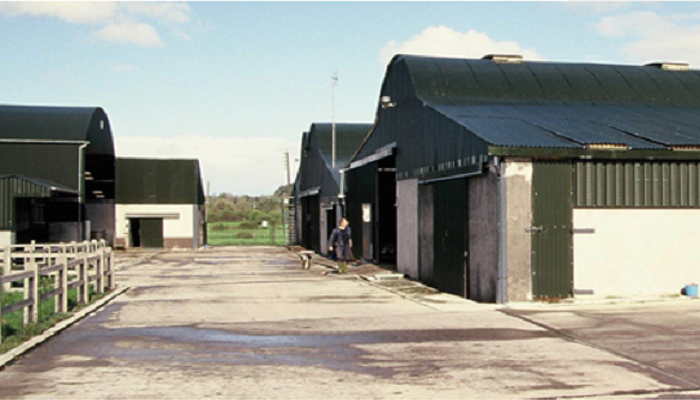
A new checklist from Teagasc prompts farmers to check slurry, soiled water and farmyard manure storage, silage pits and effluent collection, and clean and soiled water separation, so they can address issues and seek advice where needed.
The Teagasc farm self-assessment checklist is designed to help farmers review potential water quality risks on their farms and prepare for a Local Authority inspection under the National Agricultural Inspection Programme (NAIP).
The practical guide can be completed by walking the farmyard and checking each area against the prompts in the checklist.
The checklist will help farmers to identify potential issues on their farms that could impact water quality. It focuses on clean and soiled water separation; dairy washings and slurry storage; farmyard manure; silage facilities and effluent; other pollution risks; nutrient management and fertiliser use, while also providing guidance on documents to have available at the time of inspection.
The checklist can be completed by individual farmers, or with support from their advisor. Farmers are encouraged to look for issues such as damaged downpipes and gutters, contaminated runoff from yards, inadequate slurry and soiled water collection, and farmyard manure storage. A useful tip is to walk the farmyard when it is raining as it is easier to identify water flow through the yard and runoff to drains.
Director of Knowledge Transfer with Teagasc, Stan Lalor commented that “protecting water quality is a shared priority, and practical action on every farm matters.
“The latest National Agricultural Inspection Programme (NAIP) summary report revealed that 43% of farms inspected in 2025 were non-compliant with GAP (Good Agricultural Practice) regulations so this is an area that the industry must try to improve.
“The checklist gives farmers a clear, structured way to review key areas, identify anything that needs attention and act before a potential problem reaches a drain or watercourse,” Stan Lalor said.
Noel Meehan, Head of Water Quality Knowledge Transfer Department in Teagasc said: “A careful walk around the yard, especially in wet weather, can reveal where clean water is mixing with soiled water, or where contaminated runoff could enter the drainage network.
“The checklist prompts farmers to check slurry, soiled water and farmyard manure storage, silage pits and effluent collection, and clean and soiled water separation, so they can address issues and seek advice where needed.”
Ray Cullinane, Programme Manager in the Office of Environment Enforcement at the EPA stated: “The EPA welcomes this initiative from Teagasc, which supports farmers in preparing for Local Authority Inspections under the National Agricultural Inspection Programme.
“Protecting and improving water quality requires a strong focus on prevention and good environmental management at farm level. The EPA supports this self-assessment checklist as a practical tool to assist farmers in understanding their obligations, identifying potential issues before they arise, and maintaining compliance with environmental regulations.’’
The checklist is for guidance purposes only and is not a full Local Authority inspection.
Download your copy of Teagasc farm self-assessment checklist here.
Further information is available on the Teagasc website and epa.ie.
Increasing Compliance with National Agricultural Inspections Programme is one of the sessions at the upcoming Teagasc Water Quality Conference 2026 which is taking place on Tuesday, 24 November in Killenard, County Laois.
See the full Teagasc Water Quality Conference Programme here.