

Edited By
Ciaran Lynch
Sheep Specialist
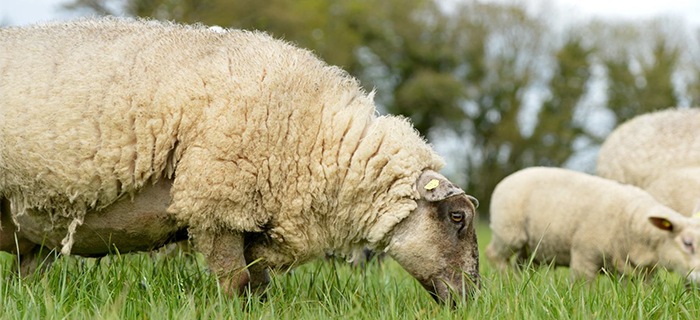
Welcome to the Teagasc June Sheep Management Notes. In this edition, Teagasc Sheep Specialist, Ciaran Lynch shares management notes on planning for weaning, shearing, managing culls and keeping quality grass ahead of lambs. Details of the fast-approaching Teagasc National Sheep Conference are also shared.
Grassland management
Maintaining the right balance between grass supply and demand while preserving sward quality can be challenging during June, particularly as grass growth rates increase rapidly and lambs approach weaning.
By this stage, the majority of March-born lambs will be consuming 1 to 1.2kg DM per day, increasing competition with ewes for high-quality pasture.
Target to maintain approximately 10 days grazing ahead of the flock to keep supply under control. Where covers exceed this target, heavier paddocks should be removed promptly for silage to maintain grass quality and return these areas to the rotation in time for the post-weaning period.
Pre-weaning, aim for pre-grazing covers of 1,200–1,500kg DM/ha (7–9cm) and graze down to a residual of 4.5cm. Short residency periods of three to four days per paddock will improve utilisation and maintain grass quality.
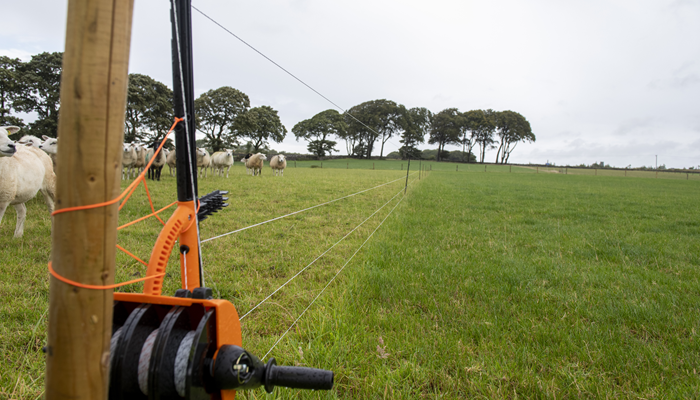
Temporary fencing, such as polywire divisions, can help reduce paddock size, improve clean-outs and minimise the time lambs spend grazing lower-quality covers. Where necessary, increasing grazing group size by bunching ewes together or incorporating cattle into the grazing group can also improve graze-outs.
Fertiliser and silage
Fertiliser applications should continue through June depending on grass demand, with a guideline application of 12–18kg nitrogen per hectare (10–15 units/acre). On farms with higher stocking rates, split applications may be advisable.
Due to lower grass growth earlier in the season, many farms grazed silage ground later than planned, which is likely to delay harvest dates and may impact silage quality. Silage ground should ideally be cut six to seven weeks after closing, with fertiliser applications matched accordingly.
Silage and fodder budgeting
Delayed closing / fertiliser applications on many farms this spring could put farms under pressure to meet their winter feed requirement. Take stock of the current fodder supply on the farm and complete a fodder budget. Put plans in place early to make up any shortfalls that may exist. For more advice, contact your local Teagasc advisor for assistance.
Weaning
In twin-rearing ewes, milk yield peaks at around five weeks after lambing and declines steadily afterwards.
From 7–8 weeks onward, lambs begin consuming increasing amounts of grass, reducing their reliance on ewe milk. By 10–12 weeks of age, lambs may consume up to 1 kg DM of grass per day and start competing directly with ewes for feed, particularly where grass supply or quality is limited.
In these situations, delaying weaning beyond 14 weeks can negatively affect ewe condition, lamb performance and grassland management.
Preparation before weaning is important. Grass rotations should be planned so lambs have access to high-quality grass in well-fenced paddocks immediately after weaning. Lambs should have access to the best available pasture, with aftergrass or reseeded paddocks preferable where possible. On established swards, post-weaning grazing residuals should be increased to 5.5–6cm for lamb performance, while dry ewes or other stock classes can be used to achieve tighter clean-outs where required.
Ewes should be confined to a secure paddock for 7–10 days to aid drying off and reduce the risk of mastitis, but the process should not be overdone. The dry period should be used to improve ewe condition ahead of mating rather than allowing excessive weight loss. This is important as it can take up to 10 weeks to regain one body condition score.
Lambs also benefit through access to better-quality grass, easier grouping by weight or gender, and more targeted supplementation where needed. From a grassland perspective, weaning reduces feed demand and allows systems such as leader–follower grazing to be implemented more effectively.
Early weaning
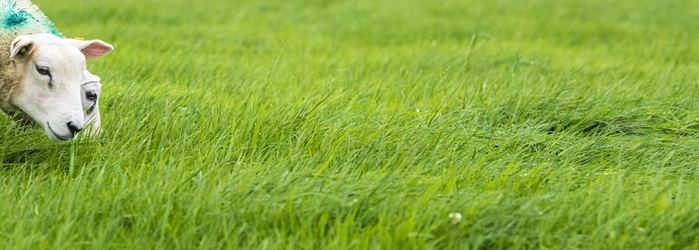
Earlier weaning, from 10 weeks onward, can be successfully implemented where lamb nutrition and health are carefully managed. Situations where earlier weaning may be beneficial include:
- Yearling ewes – Weaning at 10–12 weeks provides a longer dry period for young ewes that are still growing and developing. Their milk contribution is generally lower than mature ewes, so lambs adapt more easily to forage or supplementation.
- Reducing feed demand – On drought-prone or highly stocked farms, earlier weaning can reduce grazing pressure during early to mid-summer and prioritise grass for lambs.
- Poor ewe condition – In flocks that consistently struggle with ewe body condition, earlier weaning provides a longer recovery period before breeding and can help break the cycle of poor performance.
Identifying culls
Once lambs are weaned, it is a good opportunity to go through the flock and identify problem ewes for culling. Each farm will need to weigh up whether these ewes should be moved on early or allowed gain some additional condition before sale.
Anecdotally, as with most challenging springs, mastitis levels appear to have been higher this year. Once ewes are dried off, it is worthwhile spending extra time assessing udders and teats for lumps, hardness, blind quarters or teat damage. Ewes showing signs of chronic mastitis or teat problems should be considered for culling, as these issues can significantly reduce lamb performance and increase management difficulties in future years.
Shearing
Shearing is one of the busiest days on the farm. Being prepared, along with proper fleece handling and storage afterwards, can help improve wool quality and maximise returns. Key points to consider include:
Before shearing
- Ensure sheep are dry before shearing. Where housing is required, use slats or bedding that has built up over winter rather than fresh straw, which can stick to the fleece.
- Fast sheep beforehand and separate lambs from ewes prior to shearing to improve handling.
- Remove dags before shearing to help maintain fleece cleanliness.
- Keep holding pens free from straw, shavings and other debris, as contamination can significantly reduce fleece value.
After shearing and storage
- Keep fleeces clean and avoid contact with dirty floors, feed or bedding materials after shearing.
- Pack coloured, stained or contaminated fleeces separately from white wool to protect wool quality.
- Store fleeces in a clean, dry, well-ventilated area to prevent dampness, mould or deterioration before sale or collection.
- Use suitable wool bags or packaging and avoid over-packing fleeces, which can damage wool quality during storage and transport.
Diary date: National Sheep Conference 2026
The Teagasc National Sheep Conference will take place on Thursday, June 18 between 3pm and 5pm at the Shearwater Hotel Ballinasloe.Top of Form
- Bluetongue and other Exotic Diseases of sheep to be aware of – Avril Hobson, the Department of Agriculture, Food and the Marine.
- Understanding Lameness in Sheep Flocks: Causes, Management and Production Effects – Jake Delaney, Teagasc Walsh Scholar.
- Results from the Teagasc Labour survey on Sheep farms – Damian Costello Teagasc
- Outlook for markets, schemes and the new CAP – Darren Carty, Irish Farmers Journal.
Following this event, there will be a poster session on the farm of John Galvin, Coolfree, Taughmaconnell, Co. Roscommon (H53 R942) between 5.30pm – 6.30pm to discuss upcoming sheep research. In addition to this, farm workshops will also take place between 7pm – 9pm, which will cover the topics of breeding, lameness, parasite control and grass. Refreshments on the farm are sponsored by Kepak.
The OviCast Podcast
Keep up to date with Teagasc
Teagasc offers a suite of digital products – ranging from insightful podcasts, trusted eNewsletters, social media, website and mobile app channels – to provide you with the latest news, information and knowledge.