
11 April 2024
Teagasc support for Tirlán’s Farming for Water: River Slaney Project
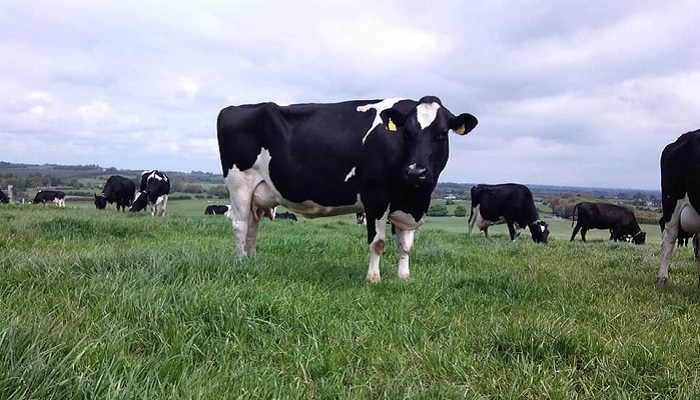
Teagasc is just one of a number of organisations to support Tirlán in the delivery of its Farming for Water: River Slaney Project.
Launched yesterday, April 10, the Tirlán initiative is designed to enhance water quality across the Slaney River Catchment area, and it brings together expertise from Teagasc, the Local Authorities Water Programme (LAWPRO) and ifac.
The multi-year project is closely aligned with the European Innovation Partnership (EIP) ‘Farming for Water’, and it aims to enhance water quality across all farming enterprises – dairy, grain and drystock – and in the winder communities through which the River Slaney flows.
A target of the project is to transform the Slaney from one highlighted by the Environmental Protection Agency (EPA) water testing programme as a ‘catchment of concern’ to one that provides best practice in how partnerships and collaboration can deliver real and meaningful changes and improvements that work for farmers, local communities, and the wider environment together. Realising the required improvements in water quality is seen as key to securing the Nitrates Derogation from 2026 onwards.
In addition to ongoing work of its Agricultural Sustainability Support and Advisory Programme (ASSAP) team, Tirlán will also develop a tailored Farm Support Service for suppliers in the most challenged areas in the River Slaney Catchment. This advisory service will focus on three primary areas: nitrogen use efficiency; slurry storage; and on-farm profitability.
As part of the initiative, Tirlán will help farmers identify and implement steps to improve the nitrogen use efficiency (NUE) on their farms. Nitrogen use efficiency is the quantity of nutrient recovered by a crop relative to the nutrients supplied from soil, applied fertilisers, manures and ultimately how much is recovered in the end product sold in terms of milk, meat or crops. Teagasc studies have shown that efficient use of nitrogen is essential to achieving maximum crop growth and achieving a greater return on each kilogram of fertiliser you invest in. Planning helps to optimise the use of farm nutrients, maintain and improve soil health, reduce excessive nutrient build up and lessen environmental losses.
Additionally, a focus will also be placed on slurry storage and usage to ensure applications can be timed with grass growth rates, allowing for better use of the nutrients contained within and – where possible – to replacement of chemical fertiliser.
To learn more on the Farming For Water: River Slaney Project, visit the Tirlán website.