
24 November 2024
Technology can make earlier detection of pneumonia possible
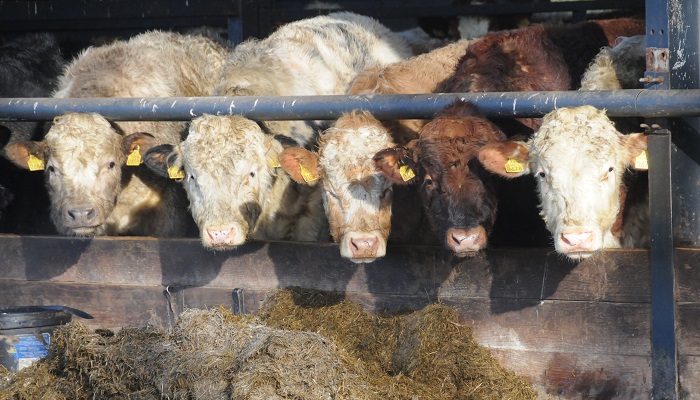
Bovine respiratory disease (BRD) is a significant health problem of Irish suckler weanlings, resulting in morbidity, production losses and mortality in severe cases.
At the Teagasc National Beef Conference on November 19, Dr. John Donlon, Research Officer in Beef Herd Health at Teagasc Grange, provided delegates with an overview of the disease, its causes – both viral and bacterial – and highlighted the most appropriate strategies to take on farm to limit its impact.
Second only to calving difficulty as a health problem cited by suckler farmers in a Teagasc survey, Dr. Donlon highlighted BRD’s prevalence as a cause of mortality in suckler weanlings, noting that: “nearly 50% of suckler weanlings submitted for post-mortem in regional veterinary labs in 2023 were diagnosed”.

Dr. John Donlon addressing delegates at the Teagasc National Beef Conference
On limiting the impact of BRD within a suckler herd, Dr. Donlon said that a multi-faceted approach is needed, encompassing animal-based factors such as weaning stress; the causative pathogens; and the environment and air quality to which the suckler weanlings are exposed.
“For prevention, you need to look at reducing animal stress, improving the animal’s immunity to pathogens through vaccination and controlling concurrent parasite burden,” he explained.
“Suckler farmers should have a herd health plan in place well in advance of weaning to limit the impact of BRD.”
The importance of appropriate weaning procedures as a strategy to reduce stress were also detailed, with Dr. Donlon touching on the positive impacts of creep grazing, meal feeding and a gradual weaning process.
Diagnosis
Even when best practice is followed in terms of weaning management, Dr. Donlon explained that there may be instances when pneumonia or BRD occurs, and he advised farmers to monitor weanlings two to three times each day post weaning for early signs.
“Monitor for rapid breathing, nasal discharge and coughing. If you are not happy with the animal, take a rectal temperature and if it is higher than 39.5o C, consult your vet and they will recommend the most appropriate treatment protocol. You will get better results if you identify these animals early and there’s a higher change of treatment failure with slow identification.”
Farmers at the Teagasc National Beef Conference were also introduced the technology of thoracic ultrasound, with Dr. Donlon adding: “There are new diagnostic methods coming on track for BRD.
“We have completed this non-invasive procedure on some of the suckler weanlings in Grange. It is quick, easy to do and a lot of the vets will have the probe as it is the same one used in pregnancy diagnosis.”
On its potential role in the future, he said: “By scanning the lungs, it allows us to detect subclinical pneumonia in animals that aren’t actually showing rapid breathing, are not coughing and don’t have nasal discharge. This method allows us to identify subclinical animals and treat them before the show clinical signs, it’s quite useful.”
On his hopes for this technology in the field, Dr. Donlon said vets are beginning to become interested in its role and training courses are being organised by other vets, but it won’t be available on farm overnight.
If you were unable to attend the Teagasc National Beef Conference and would like to see Dr. John Donlon’s presentation from the event, a recording is available to view below: