
29 November 2022
The care of the ram post mating
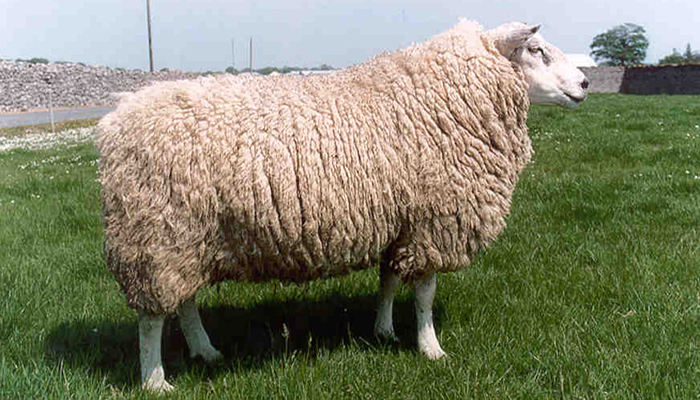
Rams purchase costs represent a significant cost on sheep farms. Ideally rams should live long and fruitful lives and produce lots of lambs over a five year period.
However the reality is that the expected lifespan for rams on Irish sheep farms is much shorter than five years and this results in significantly higher ram replacement costs on Irish Sheep Farms.
In the current climate where farm input costs have increased dramatically, what are the options to reduce ram costs on sheep farms? There are a number of options such as;
- Increasing ewe to ram ratio.
- Increasing ewe litter size.
- Increasing ram longevity.
For most flocks the quickest way to immediately reduce ram costs is to focus on ram longevity. The following are areas that should be concentrated on;
Fighting
Rams will invariable fight before, during and after mating. Injuries sustained during fighting can frequently result in debilitating injuries or death.
Tips to reduce fighting;
- Ensure that rams are acclimatised to one another for a number of weeks prior to mating. This will involve running them together as a group.
- When introducing a new ram to the ram group confine them in a tight space for a period of hours (small pen, livestock trailer etc.) to restrict their ability to charge at each other.
- Increase mating group sizes so that there are always a number of ewes in heat that will distract rams from fighting in the early stages of mating.
- If necessary fit rams with face shields which prevent forward vision and reduces the rams inclination to charge at other rams.
- When mating concludes confine the rams that have been gathered up in a tight space for a period of hours. Turn rams into a fresh field of grass in the evening time when hungry so that they are more inclined to eat and generally will not fight in the dark.
Health issues
Rams should be checked at least once daily so that sick sheep can be identified and treated appropriately. The following are a few key areas that should be kept in mind.
- Lameness, at the end of the mating season rams should have their feet checked and any lameness issues resolved.
- Stomach worms; ram lambs are particularly susceptible to stomach worms during the mating period. Treat ram lambs with an effective wormer to clear out stomach worms.
- Liver fluke; in areas where liver fluke is prevalent treat rams at the end of the mating with a product that is effective against immature fluke.
- Clostridial disease; include the rams in the annual closdridial / pasteurella booster programme when vaccinating the ewes pre lambing. Purchased rams will need a two shot primary course to ensure they are immune for a 12month period.
- Check all rams for damage to the brisket area or any other injuries sustained during the mating period and treat appropriately.
- Iceberg diseases; most farmers will be buying in their rams. This represents a big risk in terms of purchasing in diseases such as CLA, Johnes, OPA, MV etc. Be vigilant for signs of ill thrift, lumps around the head and neck regions and signs of pneumonia that do not respond to usual treatments. Talk to your vet if you have concerns.
- Remember that rams that are suffering from illness or injury will not be able to recuperate after the mating season. Ensure that all health issues are resolved as soon as possible once mating has concluded.
Nutrition
Rams will have been on a high plane of nutrition prior to mating.
- Ram lambs are still growing and need much higher levels of nutrition to sustain rebuilding body condition and for growth.
- For ram lambs or thin older rams feed at least 0.5kg per head per day of a suitable lamb / ram concentrate feed (must contain ammonium chloride) until body condition lost during mating has been regained.
- Autumn / winter grass is low in energy, often in short supply and intake is further reduced during wet weather. Often winter grass is maintenance only so will not put condition / weight on rams.
- Where grass supply is not sufficient to meet the grazing needs of the rams they must be either housed and fed hay/silage or supplemented with forage outdoors.
- Where rams are out wintered the provision of a dry lie and shelter will greatly increase animal comfort, health, performance and welfare.
The Teagasc Sheep Specialists, Researchers and Teagasc Advisors issue an article on a topic of interest to sheep farmers on Tuesdays here on Teagasc Daily. Find more on Teagasc Sheep here Teagasc provides a Local Advisory and Education service to farmers. Find your local Teagasc office here