
The importance of pollinators to agriculture and horticulture
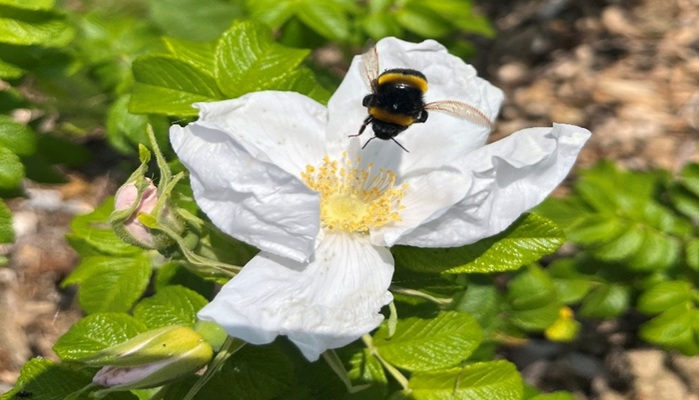
As concerns grow regarding pollinator decline, Brian Clancy, College Lecturer at Kildalton College, tells us why understanding their importance to Irish agriculture and horticulture has become increasingly significant.
Pollinators play a fundamental role in maintaining healthy ecosystems and supporting food production. In Ireland, a diverse range of pollinating insects, including bees, hoverflies, butterflies, moths and certain beetles, are essential for the successful cultivation of many agricultural and horticultural crops. Their contribution extends beyond crop yields, influencing biodiversity, environmental sustainability and the economic viability of rural communities.
What are pollinators?
Pollinators are animals that transfer pollen from the male part of a flower to the female part, enabling fertilisation and the production of fruits, seeds and new plants. While wind pollination is important for crops such as cereals and grasses, many flowering plants depend on insects for successful reproduction.
Ireland is home to over 100 species of wild bees, including the familiar bumblebee and solitary bee species, alongside numerous hoverflies, butterflies and moths that contribute to pollination.
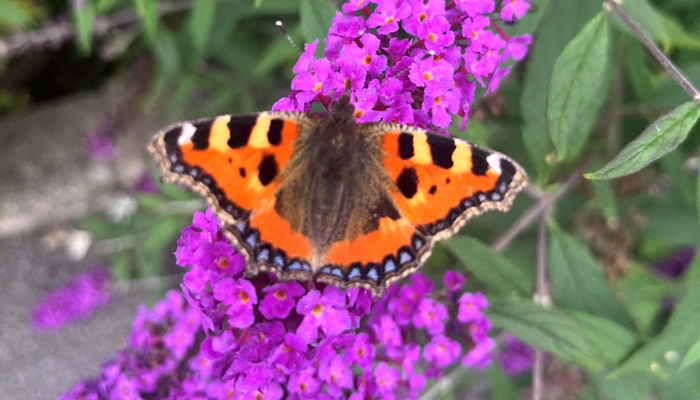
The Small Tortoiseshell (Aglais urticae) on Phlox paniculata, Kildalton College, Horticulture Unit (Source: Brian Clancy, Kildalton College, July 2025)
Pollinators and Irish agriculture
Pollinators are critical to the production of many agricultural crops grown in Ireland. Fruit crops such as apples, strawberries, raspberries and blackcurrants rely heavily on insect pollination to achieve high yields and good-quality produce. Pollination improves fruit size, shape, uniformity, and shelf life, directly affecting market value.
In addition to fruit production, pollinators contribute significantly to the cultivation of oilseed rape, field beans and clover. Clover is particularly important in Irish farming systems because it naturally fixes nitrogen in the soil, reducing the need for synthetic fertilisers. Effective pollination ensures the production of clover seed, supporting sustainable grassland management and livestock farming.
Research has shown that insect pollination contributes millions of euros annually to the Irish economy through increased crop productivity and quality. Without adequate pollinator populations, farmers could face reduced yields, higher production costs and greater reliance on artificial interventions.
Pollinators and horticulture
The horticultural sector depends heavily on pollinators for the cultivation of fruits, vegetables, ornamental plants and nursery stock. Commercial growers benefit from enhanced fruit set and improved crop quality when pollinator populations are healthy and abundant.
In home gardens, parks and public green spaces, pollinators support the reproduction of flowering plants that provide aesthetic value and habitat for wildlife. Garden plants such as lavender, foxglove, apple trees and berry bushes depend on insect visitors to produce seeds and fruits.
The presence of pollinators also helps maintain genetic diversity within plant populations. This diversity increases resilience to pests, diseases and changing environmental conditions, which is increasingly important as Ireland experiences the effects of climate change.
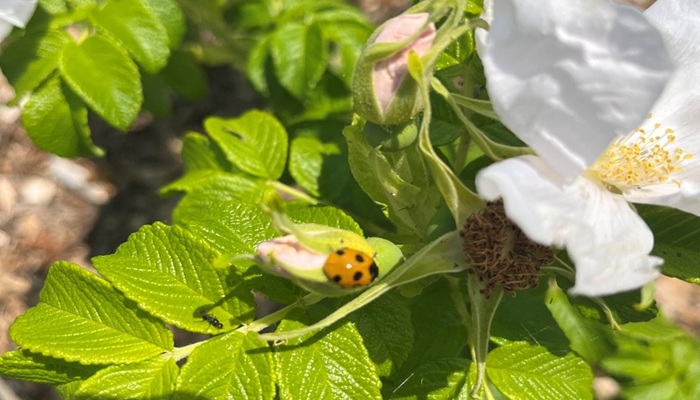
7-Spot Ladybird (Coccinella septempunctata) on Dog Rose (Rosa canina) Kildalton College, Horticulture Unit (Source: Brian Clancy, Kildalton College, July 2025)
Economic importance
The economic value of pollination services is substantial. Pollinators contribute to food security by supporting the production of nutrient-rich fruits, vegetables and seeds. Their work is provided free of charge by nature, making pollination one of the most valuable ecosystem services available to agriculture and horticulture.
Replacing natural pollination with manual methods would be extremely costly and impractical on a large scale. Therefore, protecting pollinator populations represents both an environmental and economic investment for Ireland.
Challenges facing pollinators
Despite their importance, pollinator populations face numerous threats. Habitat loss resulting from agricultural intensification, urban development and changes in land use has reduced the availability of food and nesting sites. The widespread use of pesticides can negatively affect pollinator health, while climate change alters flowering periods and pollinator activity patterns.
Invasive species and emerging diseases also pose challenges. The decline of pollinators is not only a conservation issue but also a direct threat to agricultural productivity and ecosystem stability.
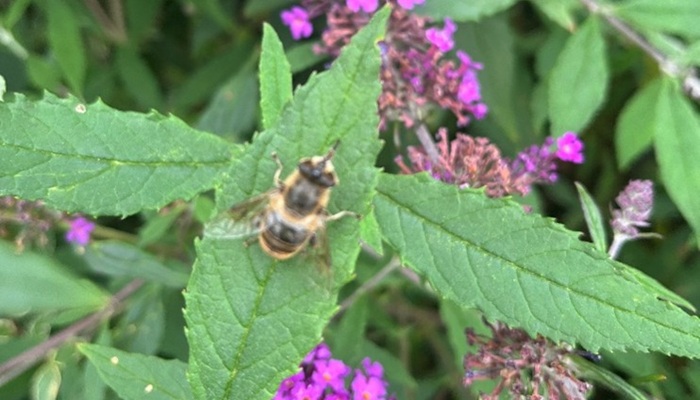
Honeybee on Phlox paniculata, Kildalton College, Horticulture Unit (Source: Brian Clancy, Kildalton College, July 2025)
Supporting pollinator populations
A range of practical measures can help support pollinators across Ireland:
- Planting diverse, pollinator-friendly flowers that bloom throughout the growing season.
- Maintaining hedgerows, wildflower meadows and field margins.
- Reducing pesticide use where possible and adopting integrated pest management practices.
- Providing nesting habitats for wild bees and other pollinating insects.
- Allowing areas of grassland to flower naturally before mowing.
- Supporting national conservation initiatives and pollinator-friendly farming schemes.
Many Irish farmers, local authorities, businesses and community groups now participate in pollinator conservation efforts, demonstrating that productive agriculture and biodiversity conservation can work together.
Conclusion
Pollinators are indispensable to agriculture and horticulture in Ireland. They support the production of fruits, vegetables, seeds and forage crops while contributing to biodiversity, environmental health and economic prosperity. As pressures on pollinator populations continue to grow, protecting and enhancing their habitats has become essential for ensuring sustainable food production and resilient ecosystems.
The future success of Irish agriculture and horticulture depends not only on technological innovation and good land management but also on the continued health of the insects that quietly perform one of nature’s most valuable services: pollination.
“If the bee disappeared off the surface of the globe, then man would have only four years of life left,” attributed to Albert Einstein.
Brian Clancy is a College Lecturer in Kildalton College. Find out more about Kildalton College here.