
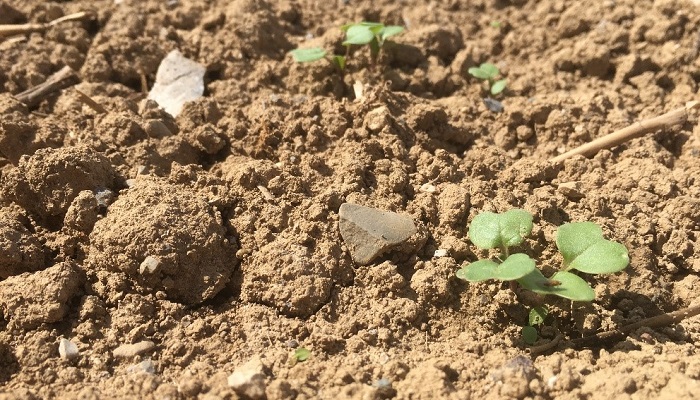
With the acreage under winter oilseed rape expected to increase following the success of harvest 2025, Teagasc Crops Specialist, Shay Phelan shares 5 key considerations when establishing winter oilseed rape crops.
Oilseed rape seems to have been one of the success stories of harvest 2025. With most crops yielding over 5 t/ha (2 t/ac), coupled with good prices, these crops will leave a good margin for growers this year.
With many growers now finishing up the harvest, there will be ample opportunity to drill crops for the 2026 harvest before the end of the month. As a result, we expect that the area will probably increase this year as conditions at the moment are ideal for drilling.
When deciding to grow the crop, there are a couple of considerations that growers need to take into account before starting to drill:
1). Rotation
Ideally there should be a five-year gap from the previous crop, also be aware of any brassica cover crops that may have been grown in the field. Clubroot issues have become more common in the last few years due to the quantity of brassicas in general being grown.
2). Variety choice
There are about 15 different varieties of oilseed rape on offer at the moment so choosing a good variety can be difficult. Apart for the yield rating, there are a few traits that you should look for in a variety such as lodging resistance, light leaf spot and phoma resistance, pod shatter resistance and turnip yellow virus resistance.
3). Drilling
Whether you use a plough-based system or a reduced cultivation type system, be careful not to bury seed too deep. The crop should be rolled after drilling to ensure good germination
4). Weed control
Pre-emergence herbicides, in general, give better overall control of a wider range of broadleaf weeds. Where possible, this should be applied as soon after drilling as possible. With the current dry conditions, this may not be ideal so you may be forced to opt for post emergence control.
5). Pests
Slugs are the main risk at this time of year so keep an eye out for any of the typical damage. If there is any evidence of slug grazing, then apply some slug pellets. Rolling should also help.
Stubble management
With most fields cleared of straw, don’t forget that there are rules about stubble cultivation which are in place in most counties. Shallow cultivation or drilling of a cover crop needs to be done with 10 days of straw being removed or within 14 days of harvest.
Shallow cultivation is only applicable to counties: Carlow; Cork; Dublin; Kildare; Kilkenny; Laois; Louth; Meath; Offaly; Tipperary; Waterford; Westmeath; Wexford; and, Wicklow.
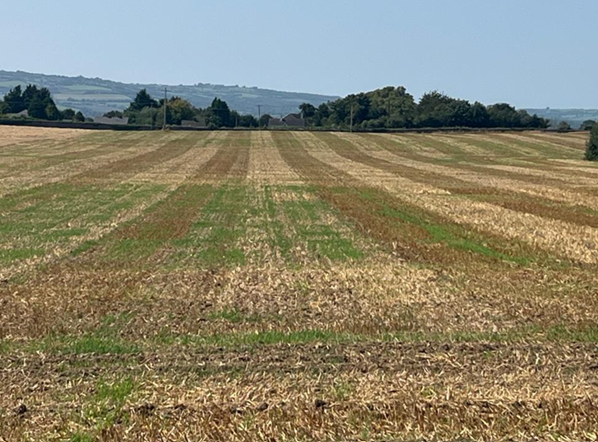
Figure 1: A cultivated stubble field
Where shallow cultivation is required, then a minimum of 20% and a maximum of 25% of CEREAL LAND must not be subject to shallow cultivation after harvest to provide a winter foraging habitat for seed eating birds and mammals. However, it is allowable to have less than 20-25% retained stubble due to winter crops or catch crops.
Fields which were included in the Straw incorporation Measure (SIM) must also be cultivated to help to trap the carbon and the breakdown of the straw.
Cover crops
Drilling of cover crops is ongoing, with a large amount being drilled as part of the ACRES and the Farming for Water EIP scheme. Growers should consult with their advisor to see which crops are eligible and the seed rates needed to comply with the regulations.
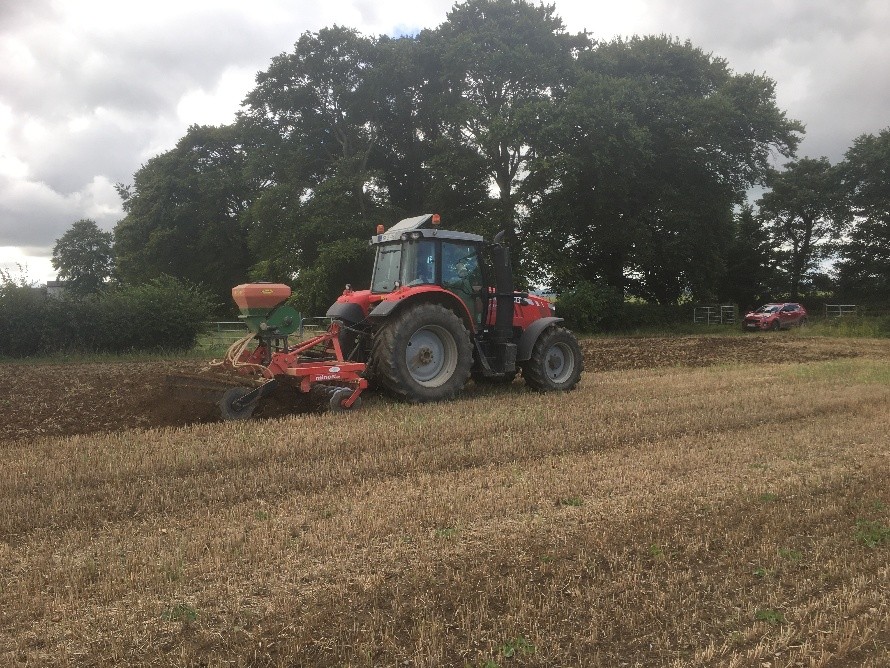
The earlier these crops are drilled, the more benefit to the soil in terms of restructuring the soil, returning carbon to the soil and also trapping any residual nitrogen left behind after the previous crop as well as growing a bigger canopy.
More from Teagasc Daily: Harvest 2025 – some record yields reported
More from Teagasc Daily: Winter oilseed rape: The star performer this harvest