
11 June 2023
The role of Agricultural Sustainability Support and Advisory Programme

In Ireland, all water policy and management is led by the Water Framework Directive. Under this directive, Ireland has been set a target of achieving at least ‘good status’ for all waters in Ireland.
However, despite a lot of good work over the last 20-30 years, we are falling short in achieving this target and water quality has declined in recent years. Ireland’s response to challenges around water quality is set out under the national river basin management plan.
As part of this plan, 190 priority areas for action (PAA) have been identified across the country, where water quality improvements need to be made. There are multiple pressures across each of these PAAs including: industry; waste water treatment plants and septic tanks; forestry; agriculture; and urban pressures.
Implementation of the ASSAP
The Local Authority Waters Programme (LAWPRO) have deployed a catchment assessment team of 60 scientists across the country to assess streams in PAAs in detail and identify the significant pressures impacting water in each PAA.
This group communicates the detailed information about the PAA to all of the stakeholders across the local community, including agricultural and non-agricultural land owners and businesses.
Where an agricultural pressure is identified, the farmers in the area will receive the offer of a free farm visit from an advisor under the Agricultural Sustainability Support and Advisory Programme (ASSAP). The ASSAP programme is made up of a group of 35 advisors (20 working under Teagasc jointly funded by DHLGH and DAFM and 24 advisors from the dairy processing co-ops).
These advisors are available to provide farmers with a free and confidential advisory service that farmers in a PAA can avail of on a voluntary basis. The advisors will meet the farmer to assess the farm for any potential issues that are having an effect on the water quality in the local stream.
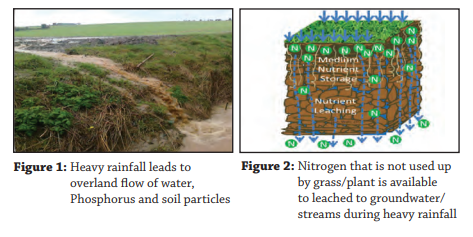
In general, an advisor will assess the farmyard, nutrient management practices and general farm land management practices, including the use of pesticides and other toxic substances like sheep dip, etc. At the end of a visit, the advisor and farmer will agree on where the farmer should focus improvements or actions, if any are required, on his/her farm. The practical advice will be designed to ‘break the pathway’ and prevent nutrients and other contaminants from entering water. A written summary of the advice and actions will be provided and a timeframe for completion agreed between them.
Conclusion
The ASSAP programme is collaborative and the funding and support received from DAFM, DHLGH and the dairy industry has been critical to allow a new approach to enabling local landowners to engage positively in seeking solutions to local problems with the support of a confidential advisory service. Support from the farming organisations for the programme has been very strong and this is vital in communicating and informing farmers about the ASSAP programme and its key messages.
This paper by Noel Meehan, ASSAP Manager, and Fiona Doolan, ASSAP Advisor, first appeared in Growing Organics open day booklet from Jason Stanley’s farm walk.