
07 February 2025
The tiny algae revolution: Big benefits for food, health and the planet
What if the answer to feeding a growing global population, fighting climate change and improving human health could be found in a microscopic organism? Eimear Ferguson, Education and Public Engagement Officer at Teagasc, takes a closer look at the potential role of mircoalgae.
Microalgae, tiny single celled water-dwelling powerhouses, typically found in freshwater and marine ecosystems, are making waves in the world of sustainable food production. Packed with proteins and health-boosting compounds, these remarkable organisms are now being turned into supercharged ingredients that could transform the food we eat—and the way we produce it.
Through cutting-edge research at Teagasc and international collaboration, scientists have developed a process to unlock the full potential of microalgae. By breaking down their proteins into bioactive peptides, these tiny plants are proving they’re more than just green—they’re golden when it comes to nutrition, functionality, and environmental impact.
In the search for sustainable, nutritious alternatives to traditional protein sources, microalgae are emerging as a potent solution. In a recent peer reviewed publication in the Journal of Marine Drugs, Researchers at Teagasc, in collaboration with international experts, have developed a ground-breaking method to enhance the nutritional and functional properties of microalgae. This approach could pave the way for more sustainable food production and improved human health.
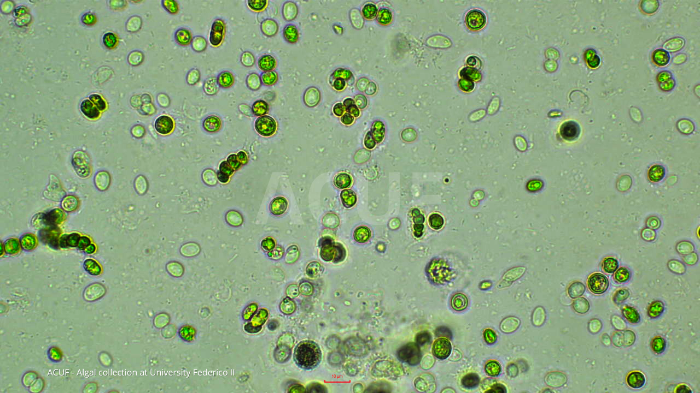
Caption: Scenedesmus sp. Microalga under microscope. Credit Algal Collection University Federico II, University of Naples Federico II, Department of Biology Via Vicinale Cupa Cintia, Naples, Italy for supply of the images
Microalgae, like Chlorella and Scenedesmus species, are rich in proteins, essential amino acids, and bioactive compounds. Unlike traditional crops, microalgae can produce significantly more protein per hectare while also absorbing carbon dioxide, making them a climate-friendly option. However, the tough cell walls of these organisms often limit their digestibility and usability in food products.
To address these challenges, a Teagasc team led by Dr. Maria Hayes, a Research Officer in the Food Bioscience Department at Teagasc Ashtown, collaborated with colleagues from the University of Naples and the Institute of Bio- and Geosciences, Plant Sciences Forschungszentrum, Jülich Germany. This work was conducted as part of the EU-funded IDEA project. The team used a two-step enzymatic process. Using specialised enzymes, they broke down the microalgal proteins into smaller, bioactive peptides. The results were transformative. Not only was the digestibility improved, but these hydrolysates (extracts) also displayed remarkable functional properties, including excellent water and oil-holding capacities, foaming abilities, and emulsification properties. These characteristics could make them ideal for use in products like plant-based meat alternatives, dressings, and baked goods.
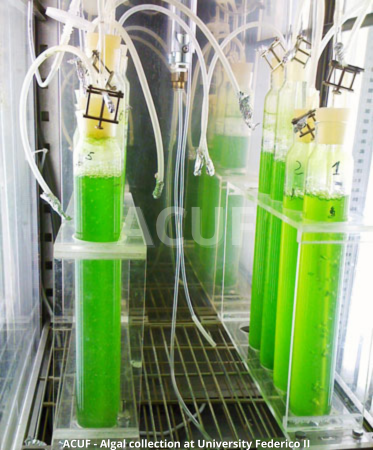
PhotoBioreactor courtesy of the University of Naples
Health benefits
Even more exciting are the health benefits revealed during the study. The peptides derived from microalgae showed potential to lower blood pressure and provide antioxidant protection. For instance, specific peptides from Chlorella and Scenedesmus inhibited Angiotensin-I-Converting Enzyme (ACE-1), which is linked to high blood pressure. Others displayed promising anti-diabetic properties by inhibiting alpha-amylase, an enzyme involved in blood sugar regulation.
Potential
Lead author Elena Aurino, who was completing her Erasmus placement at Teagasc during the study, said: “The study also highlighted the potential of microalgal peptides to deliver an umami flavour, opening doors for their use as natural flavour enhancers in various foods. With these attributes, microalgal hydrolysates could address not just protein needs but also contribute to developing healthier, tastier food products.”
Academic lead on the project, Dr Maria Hayes, said: “This innovative approach aligns with global efforts to find sustainable solutions to meet the growing protein demand. As these hydrolysates move closer to market applications, they promise to revolutionise the food industry.
“For Irish farmers and food producers, microalgae cultivation and processing could represent a lucrative addition to traditional agricultural practices, blending sustainability with cutting-edge science.”