
The underpants test
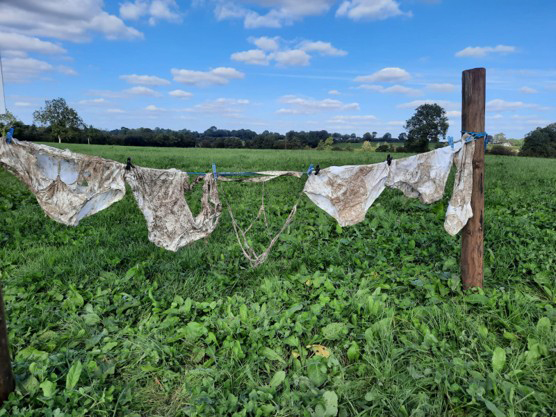
As unusual as it might sound, the Underpants Degradation Test offers a surprisingly powerful indicator of soil biological activity and a useful tool for farmers to get an insight into what's happening under the ground in their soils.
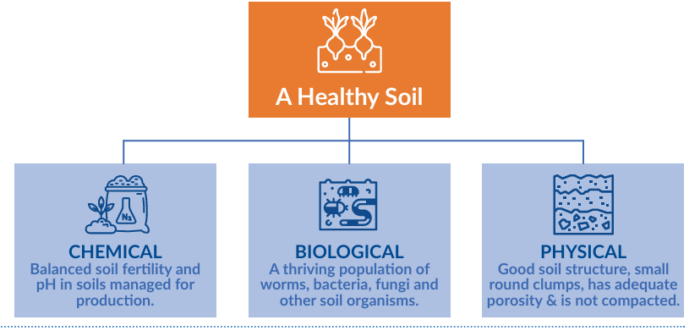
A healthy soil is in good biological, chemical and physical condition, enabling it to produce food, filter water, help regulate climate and provide a habitat for biodiversity.
Farmers will be very familiar with the chemical composition of their soils from soil analysis but very often know less about the biological activity and the physical structure of their soils. As unusual as it might sound, the Underpants Degradation Test offers a surprisingly powerful indicator of soil biological activity and a useful tool for farmers to get an insight into what’s happening under the ground in their soils.
Why underpants? The test is based on a simple principle – healthy soils are abundant with life. Microbes and other organisms in biologically active soils quickly break down organic material like cotton. By burying a pair of cotton underpants in different soil types and examining their decomposition after several weeks, participants get a direct, visual insight into how biologically active their soil is.
The more degraded the fabric, the healthier and more biologically vibrant the soil. Conversely, intact underwear suggests low biological activity, potentially pointing to issues like compaction, poor organic matter, or disrupted soil ecosystems.