
The winter weigh-in – 5 tips to get more from your cattle this winter
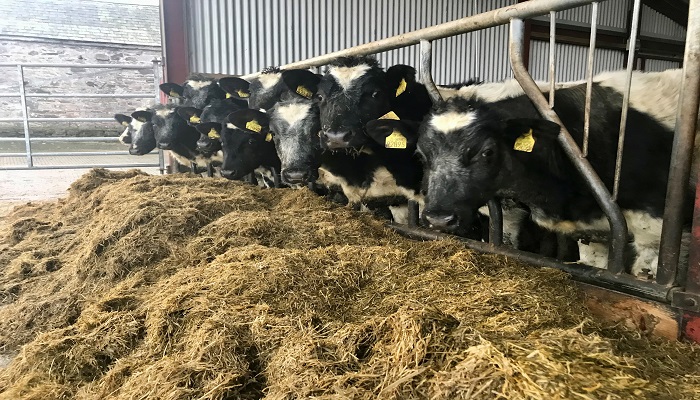
With many cattle now housed and as the last animals move indoors for the winter, it is tempting to see housing as simply another part of the farming calendar. However, DairyBeef 500 Advisor, Gordon Peppard reminds dairy calf-to-beef producers that it presents an important opportunity to assess performance, identify potential problems and plan ahead.
A little time spent weighing and assessing cattle now can pay dividends next spring and ultimately at slaughter. Rather than simply putting cattle into sheds and hoping for the best, the winter weigh-in allows producers to make informed decisions about how best to manage each group of cattle.
Here are five practical steps to get more from your cattle this winter
1). Weigh cattle and set targets
Guessing weights by eye can be misleading. Weighing cattle provides an accurate picture of performance and allows farmers to compare actual weights against targets for their age and where they are within the production system cycle.
Table 1: Target weights for spring-born dairy-beef cattle housed in early to mid-November.
| Calf | Target Weight at Housing (Kgs) | |
| Date of birth | Steers | Heifers |
| 1st February | 275 | 255 |
| 1st March | 250 | 230 |
| 1st April | 225 | 205 |
For spring-born dairy-beef calves housed in early to mid-November, producers should be setting ambitious but achievable targets. In the table above are targets for well-managed, high-performing systems, requiring excellent calf rearing, good genetics and good first-season grazing performance.
Calculating average daily gain (ADG) since the previous weighing is also important. It allows producers to establish whether cattle are on track rather than simply looking at their current weight in isolation.
2). Identify the underperformers
Most groups will contain animals performing better than others. The winter weigh-in provides an opportunity to identify those falling behind. In most groups, there can be a significant difference in weight between the lightest and heaviest calves.
Poor performance can have many possible causes and may be linked to previous health issues, inadequate nutrition or lower genetic potential. Consider whether these animals need to be managed separately, given additional feed and attention or potentially moved into a different production group.
It is also worth considering the economics of carrying poor-performing animals through another winter. Identifying passengers early can help avoid unnecessary feed costs and delays to finishing. Equally, the best-performing cattle should be recognised and managed to maintain their advantage.
3). Know the genetic potential of your cattle
While good management is essential, the genetic potential of an animal also influences its ability to perform. This is particularly important in dairy calf-to-beef systems, where calf selection can have a significant bearing on the eventual beef animal.
The Commercial Beef Value (CBV) provides an indication of an animal’s genetic potential for beef production, incorporating traits such as carcass weight, conformation, fat and feed intake.
Checking individual animals’ CBV star ratings can help producers understand their relative beef merit and make more informed purchasing and feeding decisions. For dairy farmers, it reinforces the importance of using beef sires with good beef genetics. For calf-to-beef producers, it highlights the value of sourcing calves with the potential to deliver a better finished animal.
A good calf is the starting point for a profitable system. While genetics alone will not guarantee success, it is difficult to make a poor-quality animal into a high-performing beef animal, regardless of how well it is managed.
4). Match winter feeding to requirements
Once cattle have been weighed and assessed, winter feeding programmes can be planned around their needs.
Silage analysis is the starting point. Knowing its energy, protein and dry matter digestibility (DMD) contents allows farmers to determine how much concentrate supplementation is required.
Younger, growing cattle will have different nutritional requirements from animals approaching finishing. Feeding programmes should reflect these differences, with the objective of maintaining consistent, economical growth rather than simply putting on weight at any cost.
Winter housing should not mean a reduction in performance. Maintaining growth rates throughout the winter is essential if cattle are to achieve their full potential.
5). Set your targets for spring turnout
Every group of cattle should have a clear destination. Some cattle may be suitable for finishing off grass next summer, while others may require another winter or a longer finishing period this winter.
Establishing target weights for spring turnout gives you something measurable to work towards. A further weighing before turnout will show whether cattle are on track and whether feeding or management adjustments are required.
Having a plan for each group makes it easier to manage grazing, assess finishing potential and avoid carrying cattle longer than necessary. It also provides an opportunity to review winter performance and identify where improvements can be made for the following year’s calf crop.
Conclusion
The winter weigh-in is about much more than recording numbers. It is an opportunity to take control of cattle performance, identify underperforming animals and make better decisions for the months ahead.
Profitability in dairy calf-to-beef production starts with the quality of the calf, but genetics alone will not deliver results. Selecting cattle with good beef genetics, achieving strong growth rates and managing feed costs throughout the production cycle are all important pieces of the jigsaw.
Dairy farmers also have an important role to play. Producing a healthy calf with good genetic potential gives the next farmer in the chain a much better opportunity to produce a profitable beef animal.
A few hours spent weighing, assessing and planning this winter could make a significant difference to the performance and profitability of next year’s cattle crop.
For more tips and advice, visit the DairyBeef 500 webpage here.