
This season isn’t about who gets out first, it’s about who gets it right
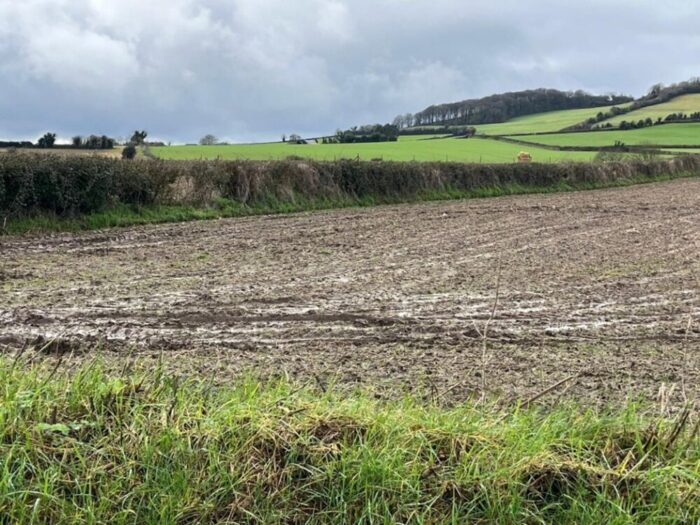
A bit of patience now can prevent problems that linger for seasons, Dr Veronica Nyhan, Soil and Plant Nutrition Specialist, writes on the importance of soil trafficability.
After one of the wettest winters in recent memory, it’s understandable that people are eager to get moving again. But this is exactly the kind of spring where a rushed decision can do more harm than good. Fields may look passable from the gate, yet many soils remain weak below the surface. A bit of patience now can prevent problems that linger for seasons.
Soil trafficability isn’t about the date or how dry the top looks; it’s about whether the soil can actually carry machinery weight. When soils are saturated, pore spaces fill with water rather than air, reducing their load-bearing strength. One pass with heavy equipment can compress soil layers, creating compaction that restricts rooting, slows drainage and limits nutrient uptake. Relatively small reductions in soil porosity can lead to yield losses of 15-20%, and the effects can persist beyond one year.
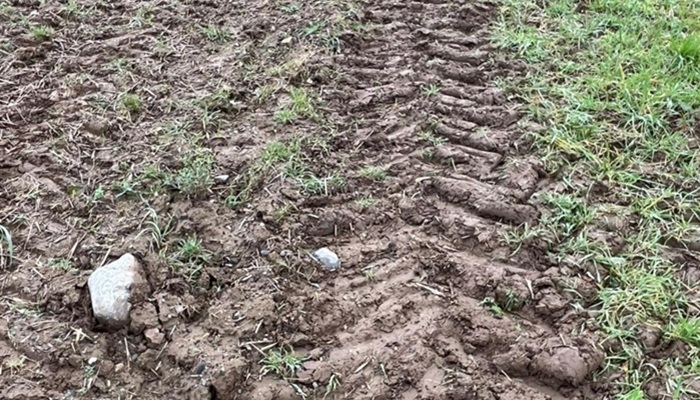
Compacted soils also shed water instead of absorbing it, increasing runoff, erosion risk and nutrient loss to drains and waterways. That’s money lost as well as an environmental risk.
The danger period is now, in the coming week, when the first dry and warmer days give a false sense of improvement while deeper layers remain plastic. Modern machinery only compounds the issue, with axle loads now commonly several tonnes. Avoiding damage is far easier than fixing it later.
A spade remains one of the best tools available. Dig down 20-30 cm and check structure. If soil smears, shines, or forms a ribbon when squeezed, it’s not ready. Waiting a few days can make a huge difference.
If travel can’t be avoided, lower tyre pressures, use wider tyres, stick to tramlines and carry lighter loads where possible.
Good decisions now protect soil structure, crop performance and profitability for the rest of the year.
For further insights, download the Teagasc Farming for Soil Health publication here.