
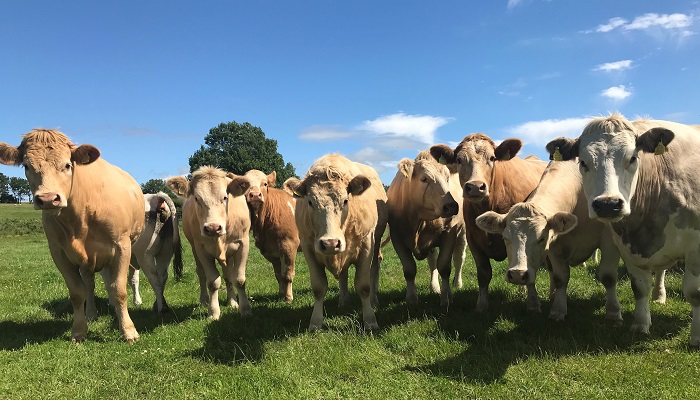
As it is getting to the time of year where parasite burdens can become a problem in cattle, Beef Specialist at Teagasc, David Argue shares key tips on dosing for stomach worms and lungworm.
A dry early May followed by a damp and wet end of May / early June period means that burdens have started to develop, potentially affecting animals. Therefore, it is important to monitor and treat animals to prevent any illness or reduction in performance from occurring.
Over the summer period, the expected live weight gain of 1.5-year-old cattle is 1kg/head/day in the first half of the summer. In the case of suckler-bred calves, we are expecting 1.2-1.3kg/head/day. If these animals are not achieving these daily live weight gains and are showing signs of ill-thrift, then steps may need to be taken to identify what parasites are active.
Extra attention is needed when herding animals. It is important to keep an eye out for clinical signs of parasites by looking out for signs of coughing, respiratory problems and scouring.
The two main parasites we need to treat for during the grazing season are:
- Lungworm
- Stomach worms
Lungworm
Lungworm or hoose is a parasitic infection of the respiratory tract in cattle and can be associated with a harsh persistent cough. It can be an issue for younger cattle in their first summer grazing grass. And, if left untreated, it can cause a severe outbreak, leading to respiratory issues, ill thrift or even death in some cases.
After their first grazing season, cattle usually have had some level of exposure to lungworm. Therefore, they are likely to develop sufficient immunity to prevent clinical disease in the second grazing season. This is not always the case, so regular monitoring is required to ensure no issue arises.
Read more on the best practice for controlling lungworm here.
Stomach worms
Stomach worms in calves causes scouring, lack of thrive and anaemia, in severe cases. To reduce the risk of stomach worms, cattle should be turned out onto low-risk pasture. If calves are turned out onto high-risk pasture, such as fields used as permanent calf paddocks, then a dosing programme may be required in the first eight weeks of grazing.
Dr. Orla Keane of Teagasc Grange featured on a recent episode of the Beef Edge podcast, where she detailed a new project that will test for anthelmintic resistance in Ireland. Listen in below:
July is the month when dosing will begin for many spring-born calves. Dairy-beef calves will be much more susceptible to stomach worms than suckler calves because they have a higher intake of grass from an earlier age. Therefore, caution needs to be taken earlier in the year. Spring-born suckler calves will be more at risk later in the grazing season, as their grass intake increases prior to weaning.
Selecting a product
Before selecting a product to dose for stomach worms, take a faecal sample to complete a faecal egg count. Faecal sampling is an effective tool to determine the level of stomach worms present in animals. It can also act as a good way to identify if any of the three anthelmintic wormers mentioned below are actually working your farm. If the results indicate >200 eggs per gram of faeces, there could be an issue on the farm and these animals should be dosed accordingly. If the results show <200 eggs per gram then monitor the animals for a few weeks and resample to see if there has been a change in worm count. Control of stomach worms on farms is usually achieved by the administration of one of three anthelmintic doses:
- Benzimidazole (white)
- Levamisole (yellow)
- Macrocyclic lactone (Clear).
It is important to contact your vet for advice on proper diagnosis and treatment of lungworm and stomach worm infections. In some cases, products are used that may not treat the parasite that you are intending on treating for.