
Time to tidy up the ewe flock
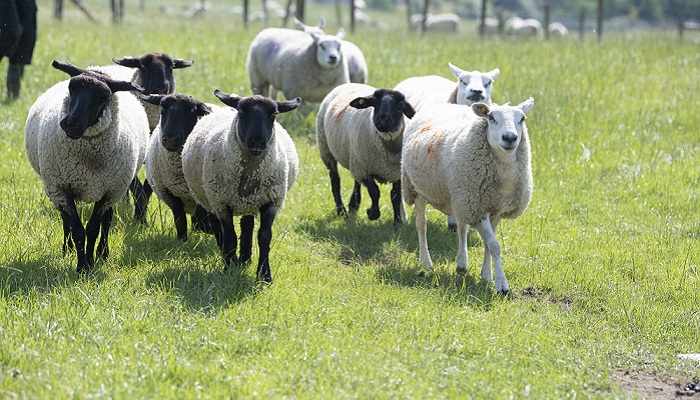
With weaning now complete on the majority of lowland sheep farms, there is an ideal opportunity to review the breeding flock. Ciaran Lynch, Sheep Specialist, tells us more.
For mid-season March lambing flocks this may seem early, but the management decisions made over the coming weeks can have a major influence on flock performance next spring.
Now is the time to assess what you have to work with, remove underperforming ewes and identify those requiring additional management. Culling unsuitable ewes not only improves overall flock performance but also generates sales and reduces feed demand at a time when grass supplies are under pressure on many farms.
Spend some time handling every ewe in the race and check the key areas outlined below.
Identify problem ewes
The first step is to remove problem ewes from the flock.
Many flocks now use cull tags or ear notching to identify ewes that experienced problems during the previous lambing season. This is particularly useful for issues that may not be obvious several months later, such as prolapses, poor mothering ability or repeated lambing difficulties. These ewes rarely improve with age and generally require more labour while contributing less to flock performance.
Giving these ewes a second chance often results in the same problems recurring, so they should be prioritised for culling.
Check udder and teat health
Following the difficult spring, mastitis levels may have been higher than normal in many flocks. In addition, subclinical mastitis often goes unnoticed but can significantly reduce milk production the following season.
Carefully examine both halves of the udder.
Look for:
- Hard lumps or abscesses, indicating chronic mastitis.
- Uneven or misshapen udders.
- Pendulous or poorly attached udders that are more prone to injury and can make suckling difficult for lambs.
Teats also require close examination. Check for:
- Cording, where a firm cord-like structure can be felt within the teat.
- Damaged teats caused by injuries or previous Orf infections.
- Bottle teats or other abnormalities that may prevent lambs from suckling effectively.
Any of these issues can reduce milk yield, increase the risk of acute mastitis and negatively affect lamb performance next spring.
Deal with lameness
Weaning provides an excellent opportunity to tackle lameness within the flock. Following footbathing, draft off any ewe showing signs of lameness into a separate group. This makes repeat treatment easier where required while also removing a major source of infection from the remainder of the flock.
Once separated, identify the underlying cause. Scald remains the most common cause of lameness at this time of year and generally responds well to effective footbathing. However, footrot and Contagious Ovine Digital Dermatitis (CODD) require prompt antibiotic treatment to achieve a successful cure.
Research has shown that a small proportion of ewes repeatedly become lame or fail to respond adequately to treatment. These chronic cases should be considered for culling, as they will continue to underperform and act as a source of infection within the flock.
Check teeth
Good teeth are essential for maintaining body condition and future productivity.
Open each ewe’s mouth and examine the lower incisor teeth. Look for:
- Missing, loose or broken teeth.
- Teeth worn down to the gum line.
- Teeth that no longer meet the dental pad correctly (overshot or undershot mouths).
- Gaps between the teeth where feed may become impacted.
Some producers may retain older “broken-mouth” ewes if they continue to perform well. However, during periods of poor grass availability these ewes are often less able to maintain body condition and are more likely to struggle.
It is also worthwhile checking for molar problems by feeling both sides of the jaw for swellings or abnormalities, which may indicate dental disease.
Assess body condition
Body condition scoring remains one of the most valuable management tools available.
Although the target is to have ewes at a body condition score (BCS) of around 3.5 at mating, achieving this target begins immediately after weaning.
Condition score each ewe by feeling over the loin area between the last rib and the hip bone. At a practical level, separate ewes into three groups:
- Thin
- Fit
- Fat
Pay particular attention to thin and over-fat ewes.
Thin ewes may simply have reared twins successfully through a difficult spring, but poor body condition may also indicate problems such as chronic mastitis, lameness, dental issues or heavy parasite burdens. Conversely, ewes in very good condition may have failed to rear lambs effectively because of health or udder problems.
Once any underlying issues have been identified, healthy fit and fat ewes can remain together. Thin ewes should receive preferential grazing e.g. alongside ewe lambs. Remember that it can take 8-10 weeks for a ewe to gain one full body condition score, so early intervention is essential if target condition at mating is to be achieved.
Mark thinner ewes for follow-up, as those failing to regain condition despite good nutrition may have an underlying health problem and should be considered for culling.
Know your breeding numbers
Finally, take stock of the breeding flock once culling decisions have been made.
Knowing exactly how many sound breeding ewes remain will determine the number of replacement ewe lambs or hogget’s required this year. Completing this exercise early allows better planning and avoids finding yourself short of replacements closer to mating and indicate the numbers required going forward.
A few hours spent handling the flock after weaning can have a significant impact on flock productivity next year. Removing underperforming ewes, identifying health issues early and managing body condition well will all contribute to a healthier, more productive and more profitable breeding flock.