
Top tips on finishing dairy-beef cattle at grass
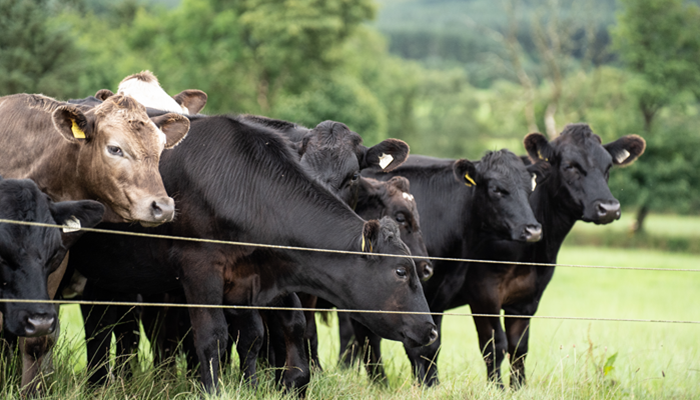
Finishing suitable dairy-beef animals off grass before housing can reduce winter feed requirements and free up shed space, DairyBeef 500 Advisor, Fergal Maguire shares some top tips in this article.
As we move toward the backend, it is now an opportune time to identify cattle that have the potential to be finished at grass. Finishing suitable animals before housing can reduce winter feed requirements and free up shed space for the winter.
Introducing concentrates
The decision to introduce concentrates should be based on grass supply and quality, the weight of the cattle and the target finishing date.
Finishing dairy-bred cattle at grass at a young age is usually only suited to heifers and early maturing steers.
Even where cattle will ultimately require indoor finishing, introducing meal at grass can be beneficial. It reduces the amount of silage required later and allows cattle to gradually build up to their indoor finishing diet.
During the autumn, grass growth generally slows and sward quality can deteriorate. Despite this, autumn grass remains a relatively low-cost feed compared with silage and concentrates, so keeping suitable finishing cattle at grass can still be more economical than housing them.
For steers grazing good quality autumn grass, offer approximately 0.75 kg of concentrate per 100 kg live weight. This equates to 4.5 kg/day for a 600 kg steer. Where grass supply is limited or quality is moderate, feeding rates can be increased to approximately 1 kg per 100 kg live weight.
Meal feeding should complement rather than replace good grassland management. Continue to offer finishing cattle good quality grass and use a high energy concentrate containing at least 0.92 UFV/kg DM and 11–12% crude protein.
Where more than 4 kg of concentrate is being fed, split the allocation between morning and evening feeds.
Weight targets
Recent live weight data should be used to identify suitable animals. Ideally, cattle should be within 60–80 kg of their target slaughter weight when concentrate feeding begins.
Early maturing heifers should weigh approximately 480 kg at the beginning of September and be starting to lay down fat. When offered 3.5 kg of concentrate per day, gains of 1.0 kg/day can be achieved. This should allow suitable heifers to reach approximately 540 kg live weight and a carcass weight of around 270 kg.
Early maturing steers weighing 490 kg or more by September 1 are also potential candidates for finishing off grass. When supplemented with approximately 4 kg of concentrate per day, average daily gains of around 1.1 kg are achievable. This can bring suitable steers to approximately 570 kg live weight and a 300 kg carcass by early November.
Lighter cattle should not be pushed unnecessarily and may be better suited to finishing indoors later.
Draft regularly
Regularly weigh and handle these cattle. Animals should be sold as they reach the appropriate fat cover rather than waiting to sell the entire group together. This will help avoid cattle becoming overfat while maximising the value of grass in the final weeks of the grazing season.
Staying safe
Feeding a large number of cattle at grass does carry health and safety risks. It’s best practice to try and avoid being in with the cattle; feed under the wire, have trough fenced off that you can fill meal and then let in cattle or, if possible, have a meal auger bucket so you can feed meal from the safety of a tractor.
For more from the Teagasc DairyBeef 500 Programme, visit here.