
13 April 2023
Unearthing best practices from New Zealand
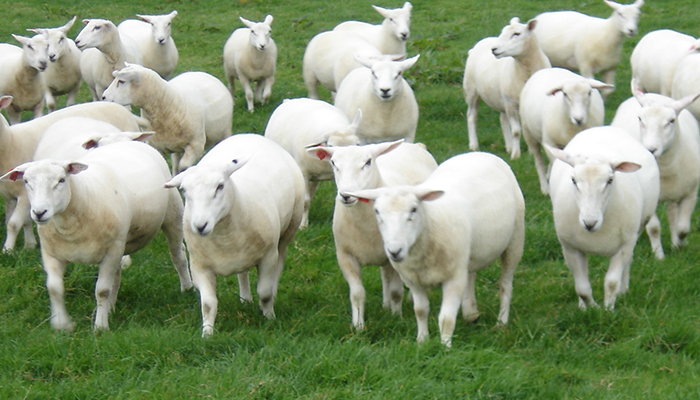
Dr. Brid McClearn from Teagasc, a prominent member of the EuroSheep team, recently visited New Zealand with members from another EU thematic network – Sm@RT: Small Ruminant Technologies.
The objective of Dr. McClearn’s visit was to identify best practices in flock health and nutrition from the large meat, wool and milk sheep flocks in New Zealand, which operate in a range of climatic conditions.
Why New Zealand? New Zealand has 25.7 million sheep and is a major exporter of sheepmeat and wool. It has also recently initiated a dairy sheep industry. While in New Zealand, Dr. McClearn visited meat, wool and dairy sheep farms on both the South and North islands. The flock sizes varied from 800 to 29,000 sheep. During her visit to each farm, Dr. McClearn took the opportunity to interview the farmers and ask them pertinent questions on the health and nutrition management of their flocks.
Dr. McClearn has compiled these interviews and will present them, along with an overview of the New Zealand sheep industry, in an online webinar on April 20th, from 2-4pm CET. Participants will have the opportunity to ask questions. By joining the webinar, you will hear from farmers who have forward sold their wool for 10 years; manage flocks up to 30,000 sheep; manage sheepmeat flocks, with 2,000 ewes per labour unit; new entrants into dairy sheep production, producing milk from outdoor flocks; mixed dairy sheep, goat and cow farms; mixed sheep, beef and deer farms; and those developing new dairy sheep breeds. All aspects of management of these flocks are discussed in detail by the farmers. Click here to register for this webinar.
EuroSheep
Iniated by SheepNet, EuroSheep continues the dynamic knowledge exchange between European sheep sector stakeholders. The knowledge and expertise exchanges in EuroSheep focus on flock nutrition and health management, based on the industry’s current needs. EuroSheep, which is funded by the EU H2020 research programme, started in January 2020 and will finish in June 2023. Eight countries are involved, namely Ireland, United Kingdom, Spain, France, Italy, Hungary, Greece and Turkey, representing 80% of sheep production in Europe.