
Walking your crops will pay dividends
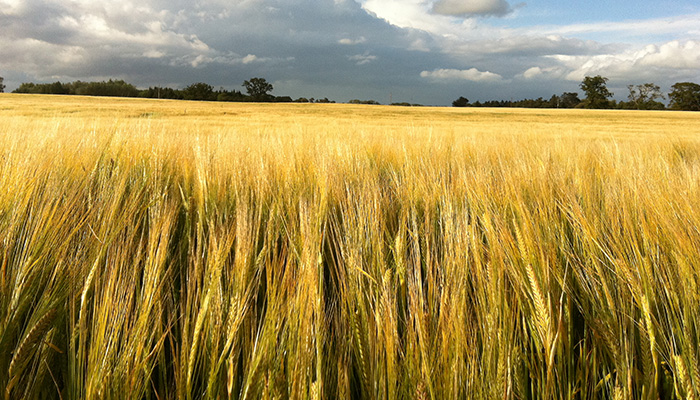
What you observe now will help you understand this year’s performance and guide decisions for the next six months, Head of Crops Knowledge Transfer, Michael Hennessy shares a practical checklist to get the most from your pre-harvest inspections.
As harvest approaches, machinery is being serviced and attention turns to filling the grain tank – the ultimate measure of a year’s work.
What you observe now will help you understand this year’s performance and guide decisions for the next six months. Combine yield maps are useful where available, but careful field walking remains the most important tool for growers who don’t have yield-mapping combines or who aren’t driving the machine.
Use the weeks before harvest to walk fields regularly and systematically. Below is a practical checklist to get the most from your inspections.
1). Vary your walking pattern
Don’t inspect the same route every time. Walk the long way round and get into all parts of the field so you see both good and poor areas, not just the part that’s easiest to reach.
2). Use walks to review recent management actions
Look for effects of recent sprays and fertiliser applications. For example, check around obstructions (telegraph poles, gateways) where sprayers may have missed crop or where headland shut-offs may not be operating correctly. Note any equipment issues for repair before next season.
3). Look beyond obvious soil differences
If parts of a field perform poorly but soil type appears similar, consider whether pH, phosphorus or potassium levels are limiting yield. Flag areas for more intensive soil sampling and testing.
4). Assess weed control down in the canopy
Look beneath the crop canopy as well as what pokes above it. Species such as speedwells, chickweed and groundsel can be poorly controlled but hidden. Record whether numbers are low (minor problem) or high (need to change chemistry or timing next year).
5). Watch headlands for grassweed hotspots
Headlands and tramlines are often where grassweeds establish first. Be able to identify serious species such as blackgrass, Italian ryegrass and canary grass. Early identification helps you plan effective control.
6). Don’t ignore unknown weeds
If you can’t identify a weed, or don’t know how serious it is if left to seed, collect a sample and get advice. Your local Teagasc advisor can help with identification – there are also good identification resources and videos on Teagasc.ie.
7). Remove rogue plants as you find them
Pull out single wild oats, ryegrass or other escapees as you walk. Even small plants can produce enough seed to create a problem next year.
8). Dispose of weeds responsibly
Do not spread pulled weeds or viable seed heads back onto tillage ground. Ideally compost removed material fully and avoid returning it to the field.
9). Map the issues
Sketch problems on field maps (LPIS maps are useful) as you find them. Mark the location of weed patches, low-yield areas, spray misses, wheelings, etc.
10). Use your maps when planning next season
Consult the notes and maps before fertiliser decisions, seed selection, herbicide programmes and tillage operations next year. This record is your best guide for making targeted improvements.
Take photos, keep a simple log and discuss findings with your Teagasc advisor. Small, timely actions now will protect yield this harvest and make next season’s management more effective.