
18 January 2024
Weed control in oilseed rape and managing cover crops
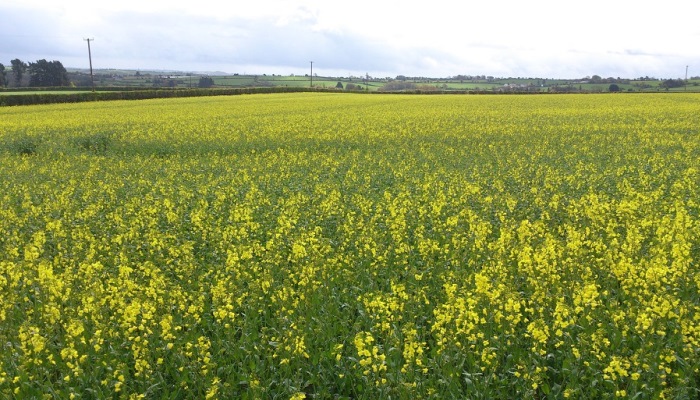
Shay Phelan writes about key considerations for winter crop management, weed control and catch crops.
Many crops have yet to get weed control with a significant trend over the last few years to use Kerb or Astrokerb to control the bulk of the weeds. The deadline for using these products is fast approaching as they need to be applied before the end of January. The good news is that they both work well in cold conditions so the current weather is suitable for applying them also this is perhaps in many cases the first time that land was dry enough to travel on.
Weeds are generally advanced at this stage and big weeds such as chickweed may be difficult to control even though the label suggests that they should be controlled. Use 1.5-1.7 L/ha of Astrokerb or 1.8 -2.1 l/ha of Kerb Flo/Barclay Propyz. Remember that where crops are treated with Astrokerb, you cannot bale the straw.
Managing Catch Crops
Many cereal growers have catch or cover crops growing in fields that will need to be managed over the coming weeks. The benefits of these catch crops are well documented at this stage from nutrient trapping to soil structure improvements but quite often many growers are left in a quandary as to how to destruct these crops at this time of year. There are a couple of options all which have pros and cons to them, however just be aware of the terms and conditions in conditionality and ACRES before you remove the crops:
Glyphosate
Most crops will receive an application of a glyphosate product to destroy the standing crop. This will kill all plants growing in the field and leave the field relatively to cultivate whether that is a plough system or reduced cultivation system.
Graze
More and more farmers are grazing catch crops as a means of destructing them which reduces the need for glyphosate applications in many cases. Grazing will also recycle the nutrients into the soil more quickly than if the crops are left standing especially if the catch crop is getting stemmy.
However if there are volunteer cereals in the crop and the plan is to grow spring barley then the crop would need to be destructed 6-8 weeks before drilling to help to prevent direct BYDV transmission if there are aphids present. So if a grower intends to drill crops in mid-March then the latest the crops should be burned off is the end of January.
The main problems with grazing catch crops is firstly the requirement to fence the ground and secondly the potential for soil damage if the soil conditions are wet.
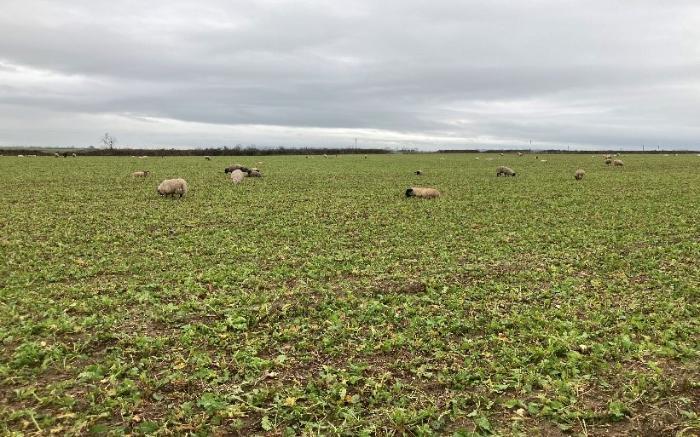
Sheep grazing catch crops must have a lie back area
Drill into catch crops
Many growers using reduced cultivation systems are drilling directly into cover crops and then burning the crop with glyphosate. There are benefits to this type of approach particularly when it comes to cultivation costs.
Rolling
There have been a number of crops rolled this week in the frosty conditions, this can sometimes give good control of large canopy catch crops. The idea is that plant cells are frozen and by rolling you effectively break these plant cells open and the roller thereby killing the plants. This is a non-chemical method of destroying the crop but it relies on hitting the crops when they are still frozen so working in early mornings, often before daylight, usually gives the best results.
However there are a couple of this to consider, firstly large cover crops can keep soils more moist for longer and so can delay drilling in the spring. Secondly if there are barley volunteers in the crops then the following spring barley crops are at a higher risk of BYDV infection. This was a significant problem in some spring barley crops in 2023
National Tillage Conference
The 2024 Teagasc National Tillage Conference will take place in the Lyrath Estate, Kilkenny on Wednesday 31st Jan. This year’s conference will look at some research updates from Oak Park, however the conference will focus on dealing on current issues within the tillage sector including options for dealing with poor winter cereal crops. The conference will have a different format this year and there will be a number of workshops which will be more interactive and will give the audience plenty of opportunities to participate in the conference.
Click here for more details and to register for this year’s event