
Weight for age critical with dairy-beef runner systems
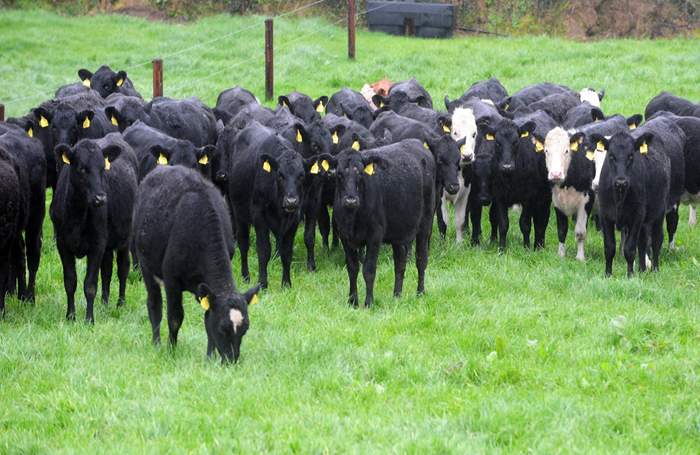
As part of its suite of Beef Budgets, Teagasc has published a Dairy Beef Runner System budget, which provides guideline costs for carrying an early maturing runner through to either a 23-month steer or 19–20 month heifer system.
Starting at the respective liveweights of 220kg for steers and 210kg for heifers, the guideline budget tracks winter feeding, grazing and finishing costs for both systems, along with the allocated inputs and liveweight gain targets for each stage of the production cycle.
Discussing the Teagasc Beef Budgets in detail when joining Catherine Egan on a recent episode of the Beef Edge podcast, Teagasc Cattle Specialist, David Argue highlighted the importance of cost control, maximising performance from grazed grass and buying a suitable animal when entering such a system.
With the Dairy Beef runner system, David Argue highlighted the importance of assessing weight for age when buying such animals, as animals that have failed to achieve their target daily liveweight gains could lead to increased costs later in the production system.
“Calves weighing 180kg may already be behind their target weight for age, potentially due to issues such as worm burdens, pneumonia or poor grassland management.
“Those animals have been slightly compromised and are behind on their daily liveweight gain, and that’s going to result in those cattle potentially being behind on the day we are slaughtering them,” he said.
This, he explained, could increase the cost of production, with cattle potentially producing lighter carcasses at slaughter.
For more information, listen to the full episode of the Beef Edge podcast below:
Commenting on the role of the Teagasc Beef Budgets, David Argue noted that they act as national guidelines and he encouraged finishers to assess their own costs of production. He encouraged farmers to sit down, either on their own or with their Teagasc advisor, to calculate the costs associated with their individual systems.
“Farmers need to sit down, either by themselves or with their Teagasc advisor, and work out the costs associated with their system,” he said.
Having an accurate understanding of these costs, he explained, will help farmers determine the price they can afford to pay for cattle.
He also advised farmers to examine the performance of their finishing systems over the previous year to identify areas where improvements could be made. This includes reviewing the daily liveweight gains achieved, whether cattle were slaughtered on time and whether herd health issues affected performance.
Teagasc Beef Budgets
Every autumn Teagasc produces a set of financial budgets as a guide to beef farmers who are buying cattle for finishing over the following 18 months. Each budget calculates a breakeven selling price (cents/kg carcase weight) for the particular system and takes account of the purchase price and all the associated variable and fixed costs incurred.