
Wet weather starting to concern many farmers again this year
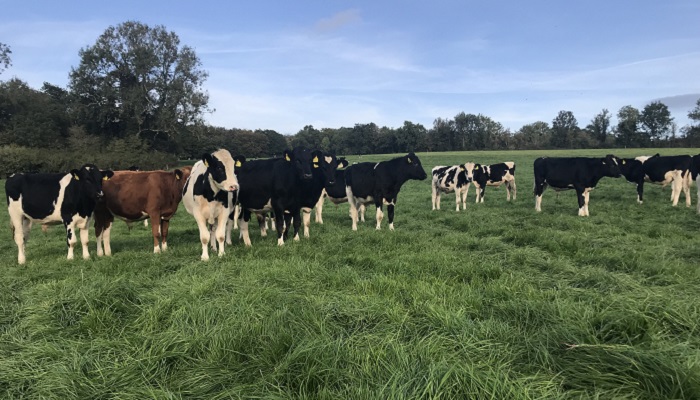
With persistent rain challenging farmers in some locations, especially along the western coast, DairyBeef 500 Manager, Alan Dillon shares three management tasks to focus on if your land is getting wet.
After a terrible start to 2026 with incessant rainfall, one could be forgiven for expecting a nice dry summer to compensate for the hardship experienced in the spring.
All the climate change media were forecasting scorching temperatures and drought conditions due to the impending El Nino, something many Irish farmers were praying for. However, instead of a fabled summer like 1995 or the scorcher of 2018, so far, we look to be getting something more akin to 2012 or 2023; summers the vast majority would rather forget with disastrous silage cutting and grazing conditions that lasted to mid the following year.
Managing the situation
Unfortunately, it’s something we can’t do anything about. In the short term, we must focus on managing the situation as best we can until hopefully things improve.
Interestingly, despite the small size of our country, it very much depends on where you live as to what your opinion of the summer rainfall so far this year is.
Farmers in the east of the country were complaining of near drought conditions a few days ago only, with Soil Moisture Deficits on the well-drained eastern soils hitting near 40mm. Compare this to 8mm on similar well-drained soils in the western half and you can see how heavier land farmers are beginning to struggle this year at times.
So, what are the main areas to focus on if your land is getting wet?
1). Silage
There is quite an amount of silage to tidy up still from what can be seen driving around the country. While some people might have intended to save this as hay given the increased cost of making silage this year, it may be better to use the few dry days between the rain to take this out as baled silage.
While it won’t be top quality, it might be badly wanted next spring should we get a repeat of 2026. In any case, leaving a crop on the ground now is holding up the regrowth for second cut or grazing after-grass.
2). Fertiliser
Keep fertiliser applied in accordance with your nutrient management plan. Growth dipped fairly drastically in some areas over the past few weeks, meaning some farmers went tight on grass for a period of time.
Keeping an even 20-25 units of nitrogen (N) applied ensures a fresh leaf is encouraged, and will avoid panicking if growth slows again in July in what is a crucial time in terms of cattle performance and breeding season for suckler cows.
3). Slurry
Apply slurry to your silage aftermath, if ground allows. There’s little point in waiting until the autumn time to spread slurry when ground conditions and nutrient uptake will be poor. Spread now on silage ground.
Alan Dillon is the Manager of the Teagasc DairyBeef 500 Programme. For more information on the Teagasc DairyBeef 500 Programme, visit here.