
14 June 2023
What’s happening at the ICBF Tully Research Centre?
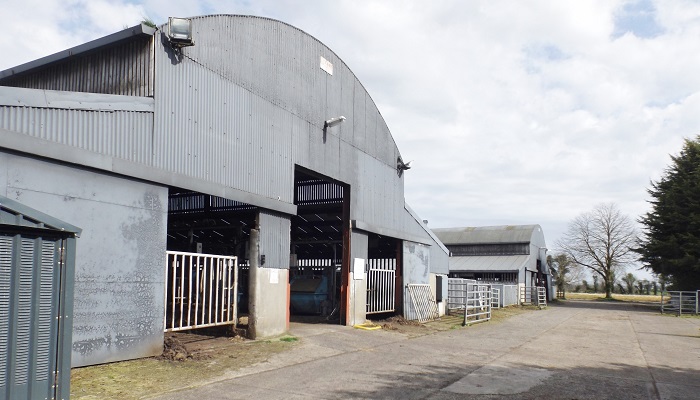
The Tully test centre is the national commercial progeny test centre, located at the edge of Kildare town. In this article, Catherine Egan, Teagasc Beef Specialist, outlines the work being carried out there.
Historically, pedigree bull breeders used to bring their young bulls to the centre for performance testing. However, following a review in 2011, ICBF then began to purchase the commercial progeny of new AI sires that have been progeny tested through the Gene Ireland breeding programme.
At any one time, there are approximately 200 animals on site. To date, almost 5,000 commercial animals have passed through the centre. These animals are a mix of bulls, steers and heifers from both suckler and dairy dams. The data captured includes growth rate, feed efficiency, methane emissions and even meat eating quality.
ICBF is currently in the early stages of setting up a system that will capture the water intakes of the animals. Some of these traits have a direct impact on the genetic evaluation of the AI sire concerned. Although some of the data is in its infancy, it could be extremely useful in the future. All of this work is only possible through collaboration with industry partners, including herd owners, AI companies, breed societies and the Department of Agriculture, Food and the Marine.
Sourcing the cattle
The animals for the centre are sourced from commercial herds across the country. These are suckler and dairy farmers that are using packs of the dairy or beef straws from the new AI bulls available via the Gene Ireland breeding programme. A key pillar of ICBF is the fact of the centralised database, which allows ICBF to have sight of every animal in the country from birth right through to slaughter. This allows ICBF to capture on farm data, such as calving, growth rate and fertility performance. The cattle are acclimatised over ~30 days and then on an intensive finishing diet for ~70 days.
Methane emssions
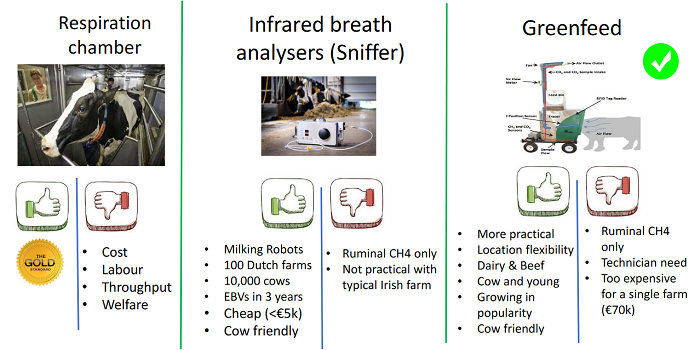
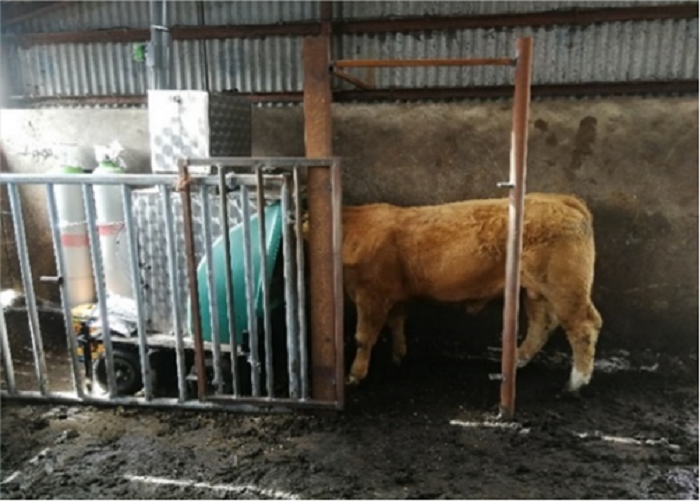
Currently there are about 10 GreenFeed machines in active service around the country and they are being managed by Ciaran McDonnell, ICBF. The methane data is captured in Tully using these Greenfeed machines.
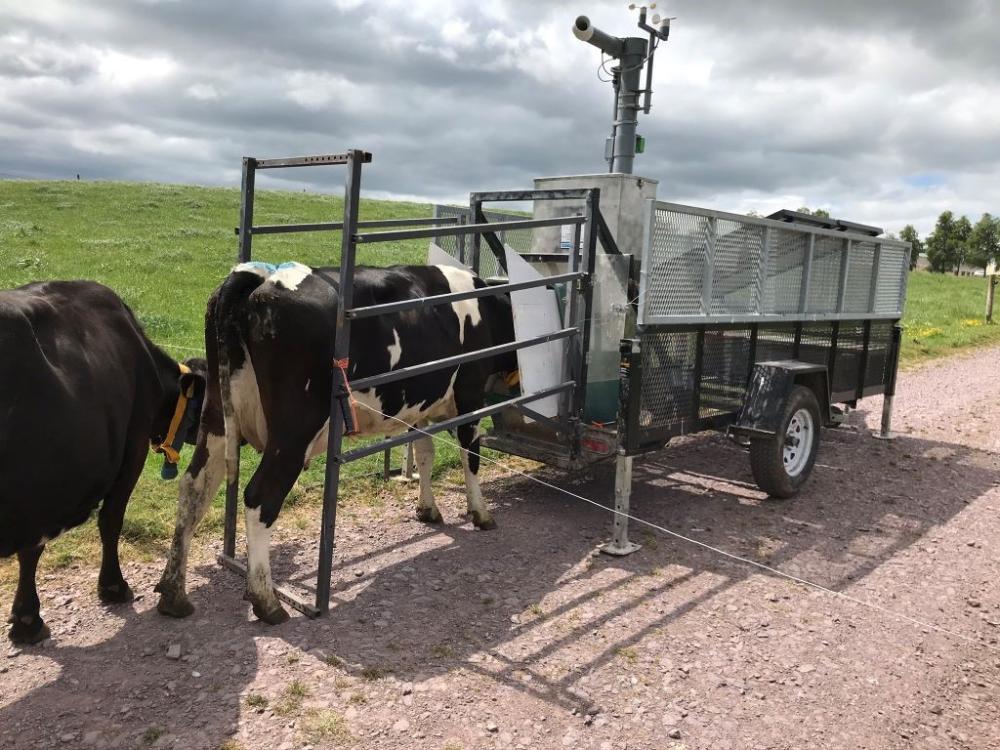
Picture caption: Green Feed machine in operation at Teagasc Moorepark
The animals are enticed into the unit with small amounts of meal that drops at set intervals. The animal is identified by the machine through its RFID tag. As the animal consumes the feed, the air surrounding the animal’s head is extracted via a fan. This is then passed by sensors and a value for each animal’s methane emissions to be determined.
The Greenfeed system can also be used at grass, so it can now assess animals both at grass and indoors on a finishing diet. Again, there is a huge focus on across industry collaboration on the various projects with Teagasc and others using different farms and different systems, but with all the data flowing to the centralised database.
Figure 1: Methods of Methane phenotyping
Early analysis on ~1,500 animals by Clodagh Ryan on the methane data collected from Tully showed that methane is a moderately heritable trait (h2 =0.3) – around the same heritability as milk yield. This is positive from a breeding perspective, as ICBF will be able to add methane into breeding indexes. This in turn can have the potential to reduce methane emissions by 1% each year in our cattle population. This reduction is both permanent and cumulative. There is also discussion around possibly recalculating current inventories for methane output in both dairy and beef animals, with data suggesting a 10-20% over estimate in the current methane inventory.
Meat quality
Market research has shown that if a consumer has a negative experience eating beef, it can be six weeks before they purchase beef again. Combined with this is the fact that there is declining beef consumption within the EU compared to pork and chicken. To address these trends, it is that systems are developmed to help improve the actual eating quality of beef for traits like tenderness, juiciness, and flavour, which are of value to consumers. Such work will be one of the many key focuses of ICBF going forward.
Future trials
Historically, the main focus of breeding programmes for bovines was around traits like calving, growth rate, carcass etc., but in recent years the attention has turned to traits related to the costs of production like feed efficiency and currently traits concerning environmental impact like methane production and even water intake. Tune in to this week’s episode of the Beef Edge podcast with Niall Kilrane from ICBF for further details.