
When every minute matters
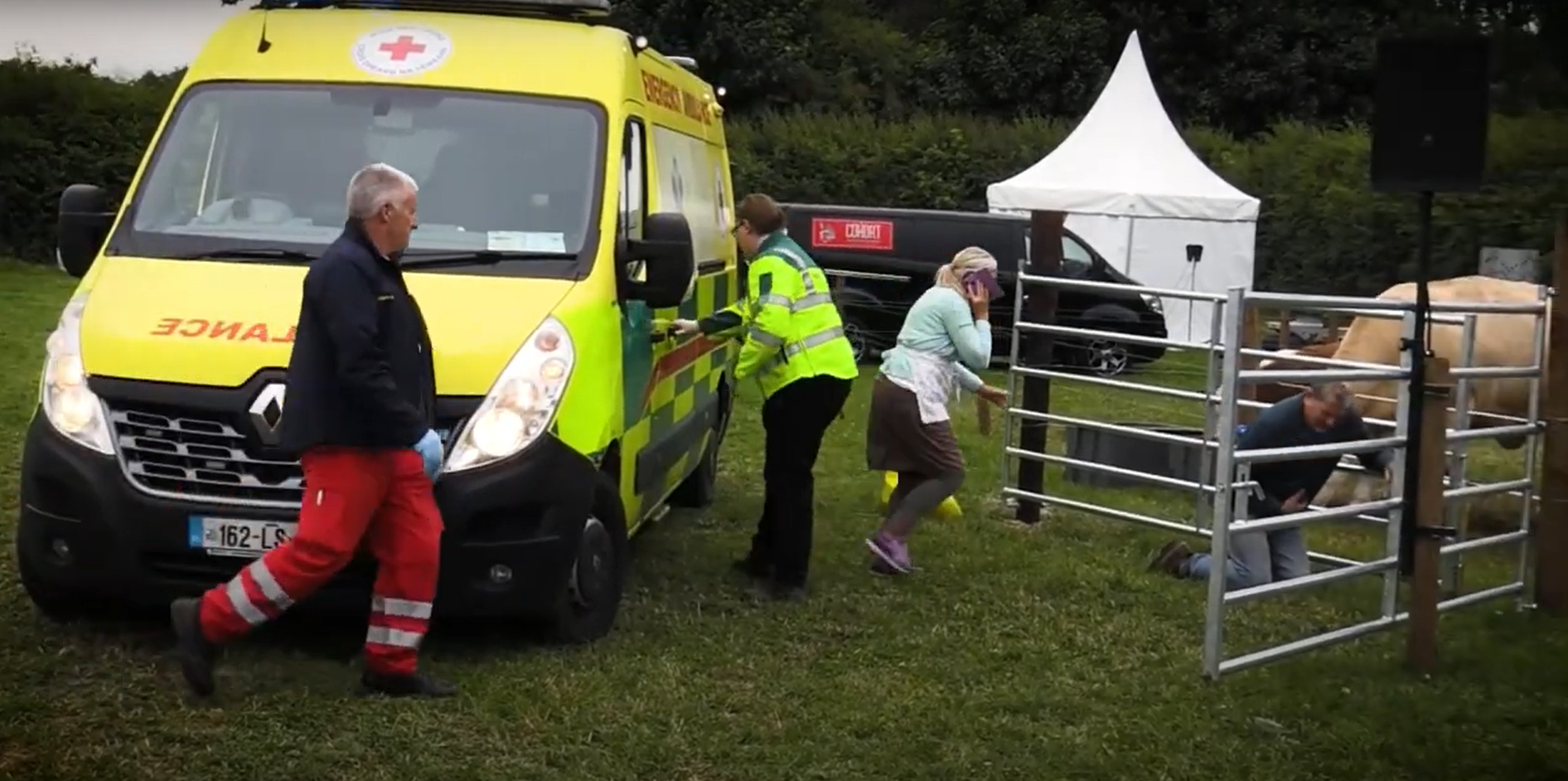
Diana van Doorn, Research Officer for Farm Safety, Health and Wellbeing, highlights that emergency preparedness is an important part of farm safety. The first few minutes after a serious incident can be critical. Knowing what to do, how to call for help and how to provide basic assistance until emergency services arrive can help improve outcomes for those involved.
Farm accidents can happen in a matter of seconds, but the consequences can last a lifetime, affecting not only the farmer but also family members, employees and the wider farm operation. While preventing accidents remains the priority, being prepared to respond when something does go wrong can make a critical difference. Irish emergency services regularly attend farm accidents, and it is our responsibility to learn how we can best assist them.
Agriculture is one of Ireland’s most dangerous occupations, and many farm incidents occur in isolated locations where help may not be immediately available. In these situations, family members, neighbours or co-workers are often the first people on the scene.
Preparation before an emergency is vital
Pre-hospital emergency medicine specialists at Cork University Hospital have highlighted the challenges associated with farm emergencies. Long distances, isolated work locations and difficulties accessing injured people can all delay the arrival of professional medical assistance. This means that preparation before an emergency occurs is essential.
Know your Eircode
The most important step is ensuring that emergency services can locate and access the injured person quickly. Everyone working on the farm should know the farm Eircode, have it clearly displayed at the farm entrance, and be able to provide it immediately when contacting emergency services. Carrying a charged mobile phone while working and letting someone know where you will be working are also simple but important precautions.
First aid
Basic first aid knowledge can also play an important role. Severe bleeding, crush injuries and cardiac events are time-critical emergencies where immediate action may be required before professional help arrives. Having a stocked first aid kit available and knowing how to use it can help farmers and family members respond with confidence.
Francis Bligh, Teagasc Health and Safety Specialist, emphasises that emergency preparedness should form part of every farm risk assessment. Farmers should think about how they would respond if an incident occurred on their farm. This includes having a designated and easily accessible location for first aid equipment, ensuring everyone knows where it is kept, keeping emergency contact details readily available, and maintaining clear access routes for emergency vehicles. These simple measures can be incorporated into both farm safety planning and good farmyard design.
Plan and be prepared for farm emergencies
A farm emergency is not the time to start making an emergency plan. Taking a few actions today can help ensure that, if an incident does occur, help arrives quickly and the best possible response is in place.
As Farm Safety Week 2026 comes to a close, the message is clear: prevention remains the first line of defence, but preparation can make all the difference when every minute matters.