
27 February 2025
Winter wheat recovery and early field actions
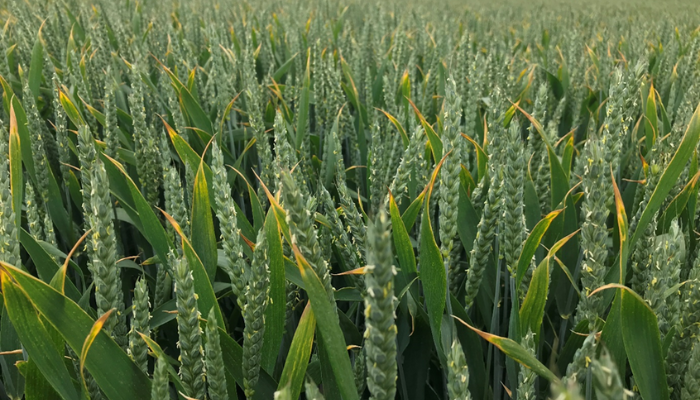
Michael Hennessy, Head of Teagasc Crops Knowledge Transfer, reports that winter wheat sown in autumn 2024 is looking strong heading into 2025. Now is the time to tackle key issues like sterile brome to protect yield potential.
The area of winter wheat sown in autumn 2024 is looking well compared to the previous year. These crops have entered 2025 looking extremely well and are full of potential. With improving weather and land drying out after recent rains, there may be a temptation to jump into these crops with fertilisers.
Many may think one of the first steps in crop management is typically fertiliser application to encourage strong early growth. However it’s still a little early for nitrogen yet as early nitrogen can green up crops, produce more tillers but these tillers rarely survive to heading and the early nitrogen rarely results in extra yield in wheat. Delay the nitrogen to mid-March.
Over the coming week other key areas can be addressed, as tackling them now can prevent bigger issues later in the season.
The autumns of 2022 and 2023 were difficult for planting, with many described the autumn of 2024 as particularly challenging. Growers who planted early in previous seasons generally saw better crop establishment than crops sown at the “traditional timing”. As a result, more farmers opted for early planting in 2024 to mitigate potential weather difficulties. However, this proved unnecessary, as October 2024 provided an ideal planting window.
While early planting has its benefits, it also presents challenges, including excessive early growth, increased disease pressure, a higher risk of take-all and BYDV, and—perhaps most significantly—greater grass weed pressure.
Managing Sterile Brome in Winter Wheat
Sterile brome thrives when it can establish early. Field experience has shown that pre-emergence herbicides can be effective, but a follow-up spring application is often required. The coming weeks provide an ideal window to target problematic areas where sterile brome is present.
A proactive approach involves
- Walking fields to identify and map areas with sterile brome -use old Area Aid map to draw in the problematic areas to refer to when spraying.
- Following up with a sprayer to spot-treat these areas.
Products like Pacifica Plus (+ Biopower) work best on smaller plants, even in less-than-ideal growing conditions. Delaying treatment until brome reaches stem extension may lead to mere suppression, allowing plants to survive and return seed. Targeted early applications, however, can significantly reduce seed return and help keep fields cleaner for future seasons.