
A Focus on Actions to Reduce Nutrient Loss at Blackwater Catchment Farm Walk
William Blackburn’s farm hosted a Blackwater Catchment Implementation Group (CIG) farm event on Thursday, 18 June.
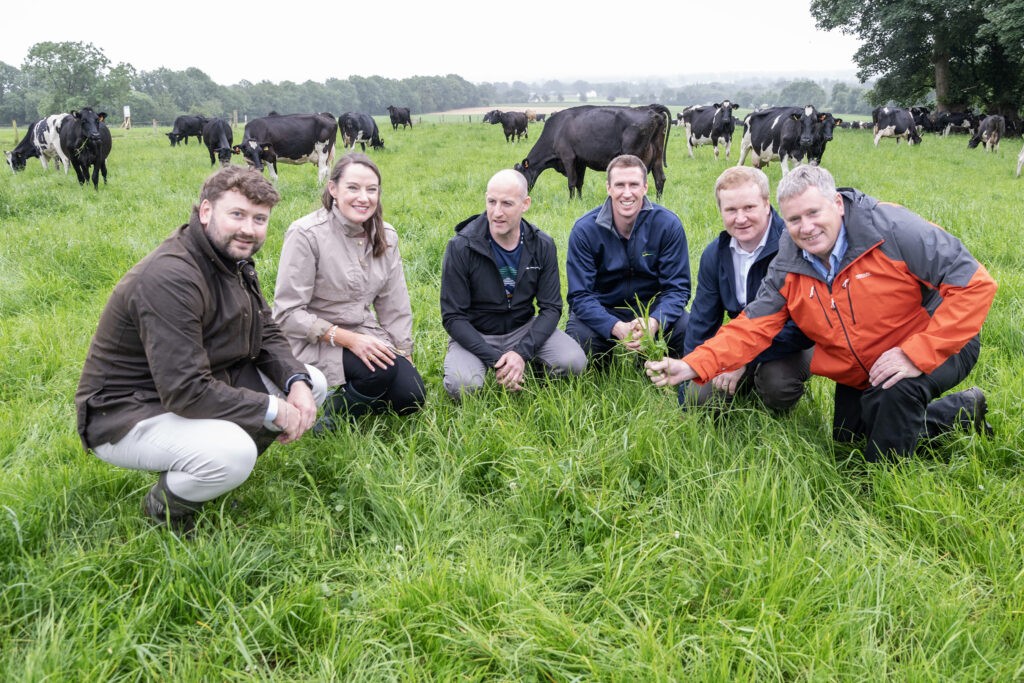
Pictured at a Better Farming for Water Campaign event in the Blackwater catchment area on the farm of William Blackburn, Kilworth, Co. Cork are speakers Kevin Maher, Dairy Industry Ireland, Orlaith Tynan, Dairygold, host William Blackburn, Philip Murphy, Blackwater Catchment Coordinator, Dale Crammond, ASA President and Kevin Twomey, Chairman of Blackwater Catchment Implementation Group. This event was hosted by Teagasc, Dairygold and the Agricultural Science Association (ASA). Picture: O’Gorman Photography.
Over a hundred farmers attended the Blackwater CIG event which was held as part of the Teagasc Better Farming for Water campaign in conjunction with Dairygold. This event was additionally supported by the Agricultural Science Association (ASA).
Farmers attending the farm walk were brought through 5 information boards starting with the water quality challenge of reducing nutrient losses to waterways, particularly nitrogen in the Funshion river network. William Blackburn and his Teagasc advisor Padraig McCormack spoke about the operation he is running in terms of nitrogen (N) use and what he is doing for water quality, such as minimum cultivation reseeding, having a high proportion of fields with optimal soil pH, maximising milk solids, and calculating a N balance figure for his farm.
Dairygold ASSAP advisor, Philip Fogarty asked the host farmer, William Blackburn about the benefit of a 1 to 1 water quality visit he received. William’s response; “like anyone, I was hesitant at first, but once the visit was over, I could see all the things in the farmyard and on the land, that could lead to runoff or need to be managed. So, to get a steer on those risks was very beneficial”.
Noeleen McDonald from the Department from Agriculture, Food and Marine explained to attendees at the farm walk of the importance and need to be ready for the new regulations for slurry storage requirements and chemical N reductions by October 2028.
Bridget Lynch from the Teagasc Agricultural Catchments Programme emphasised the effectiveness of having more storage capacity than the minimum required to provide flexibility on application timing and rate and avoiding fertiliser applications at the riskiest times of the year for nutrient losses.
Tony Byrd from Cork County Council showed attendees that many of the non-compliance issues required relatively small actions that they could carry out to avoid issues related to local water quality impacts. The National Agricultural Inspection Programme was finding several issues that could lead to run-off of material to drains and small waterways and having local impacts. Tony explained that improvements in soiled water storage and collection structures was the most effective way at avoiding compliance risks and protecting waterways near farms.
The final Teagasc speakers, Eimear Connery ASSAP advisor and Brendan Smiddy, Climate advisor, explained how a nitrogen balance figure is calculated for a farm and that the goal is to “know your number” and then “lower your number” to ensure nitrogen losses are minimised.
Chair of the Blackwater Implementation Group Kevin Twomey said; “It was a very interesting day, I think people got something out of every board. There was a lot of information there today, but it gave people a good insight into the challenge we have with managing nitrogen loss.”
Dale Crammond, Director of Meat Industry Ireland and President of the Agricultural Science Association said; “It was great to see such a significant turnout on the day, it’s clear that farmers are really engaged in the agenda to improve water quality, science-based solutions are there for them to embrace.”
Orlaith Tynan, Dairygold Head of Sustainability and Environmental Strategy commented; “The River Blackwater catchment event showcased the practical actions farmers are taking to protect water quality. It is encouraging to see science, advisory support and on-farm experience coming together to drive improvement. Initiatives like this are not just about compliance, they are about building more efficient, resilient farms while safeguarding the River Blackwater catchment.”
Billy Cronin Dairygold Head of Member Services and Engagement said; “This is all about collaboration with all our stakeholders across three critical areas, Nutrient Management, Farmyard Management and Land Management, implementing the right practices and measures in the right place and at the right time to drive improvements in water quality.”
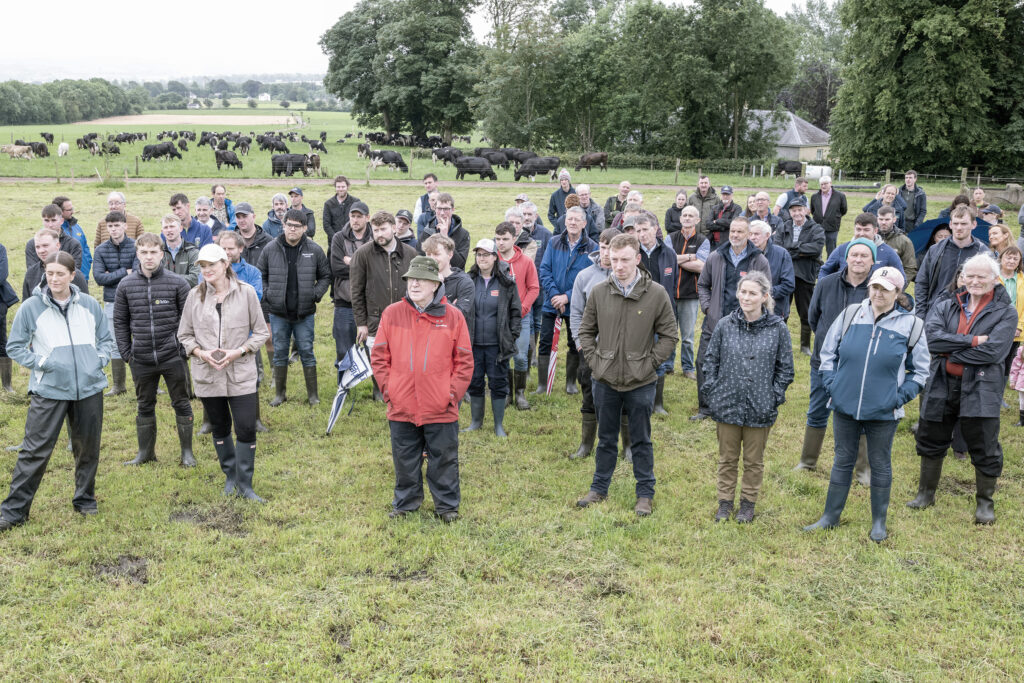
A section of the attendance at a Better Farming for Water Campaign event in the Blackwater catchment area on the farm of William Blackburn, Kilworth, Co. Cork. This event was hosted by Teagasc, Dairygold and the Agricultural Science Association (ASA). Picture: O’Gorman Photography.