
Climate Smart Dairy Eritrea
 The CSARIDE project was a €4m project funded by EU DeSIRA. It ran from 2020 to 2026 and was led by Teagasc in collaboration with the Ministry of Agriculture Eritrea.
The CSARIDE project promoted market-led agricultural development, building on the experience of the Irish partners who have been working on a pilot dairy project in Zoba Debub over the previous eight years. The pilot project was absorbed into CSARIDE with the overall objective of promoting inclusive, sustainable and climate-relevant transformation of the Eritrean dairy value chain to enhance food and nutrition security, reduce poverty, create job opportunities for young people, and promote resilience to climate change while mitigating greenhouse gas emissions.
Objectives
The project targeted the following dairy value chain actors and the key public sector support agencies:
- Resource-poor livestock farmers
- Private and co-operative input and output market agents and service suppliers, including milk collection and processing entities and dairy farmers’ associations, as well as AI and veterinary services
- Small-scale entrepreneurs (e.g. Eritrea Women in Agri-Business Association)
- Public-sector bodies including the National Agriculture Research Institute (NARI), Hamelmalo Agricultural College (HAC), MoA, and regional governments (Zobas)
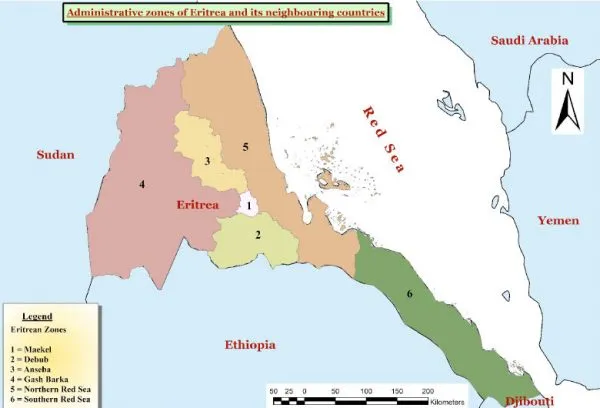
CSARIDE focused on the entire dairy value chain from farm to market in three Zobas, namely Debub, Maekel and Anseba (the main dairying areas in the country). The project complemented ongoing Ministry actions in those areas as well as other internationally-funded development projects in Eritrea linked to the EU Delegation in Eritrea, IFAD, FAO and ILRI.
Project Partners
Collaborating Partners in the project were; Teagasc, University College Cork, University College Dublin, Self Help Africa, Luke Natural Resources Institute Finland, Vita for Climate Smart Communications.

Project delivery on the ground was supported by SENSE Consulting.
Research Publications
Improvement of Feed Intake, Digestibility and Lactation Performance of Hassani Dairy Goats by Supplementing Sorghum Stover-Based Diets With Alfalfa and Elephant Grass
Goat production plays a vital role in food security, employment creation, and economic development among other socio-economic roles. Goats are highly adaptable to many environmental conditions
21 May 2026
Prevalence, aetiology and host and management factors associated with bovine mastitis in dairy cows in Zoba Anseba, Eritrea: a cross-sectional study
From 47 dairy farms located in the Anseba Region of Eritrea, 222 cows were randomly selected for a questionnaire survey, examined for signs of clinical mastitis and milk samples tested for subclinical mastitis
21 May 2026
The productive and reproductive performance of Barka cattle: A review
This review examines the productive and reproductive performance of Barka cattle, also known as Begait, found predominantly in the southwestern lowlands of Eritrea and the northern parts of Ethiopia.
21 May 2026
