Our Organisation Search Quick Links
Toggle: Topics

Equine health

In this section, you’ll find topics of interest in relation to equine health.

Equine health video series – 10 practical steps to protect equine health

A series of 10 videos has been produced by Teagasc, Irish Equine Centre and UCD, School of Veterinary Medicine focusing on the practical steps you can take to protect equine health.

Teagasc Irish Equine Centre and UCD logos

Access the video series here


Importing equine semen (DAFM notice)

Ireland is currently free of Equine Infectious Anaemia (EIA), Equine Viral Arteritis (EVA) and Contagious Equine Metritis (CEM). All these disease could potentially either be brought to Ireland or transmitted within Ireland in infected semen. Any of these diseases entering Ireland would have severe and lasting consequences for both our equine health and welfare, but also equine trade.

All semen legally brought into Ireland either from another EU Member State or from a third country (anywhere outside of the EU) needs to be accompanied by the appropriate health certificate, either an Intra-Community Health Certificate if it is from an EU Member State or an equivalent health certificate from a third country.

Read the DAFM advisory notice about importing equine semen here


Donkey health

Donkeys are part of the equine community. However, there are differences that need to be accounted for in the care of donkeys versus horses or ponies. Donkeys in particular show disease in a more restrained or modest way than many of their equine counterparts. Therefore donkey owners need to be especially observant and read the signs from their donkeys better. A dull donkey is often a genuine veterinary emergency. Donkeys are also very susceptible to stress and commonly suffer severely from its effects.

The donkey sanctuary are a fantastic resource and they have provided a wide range of reading material on the care of donkeys on their website.

Read more about donkey health care here


Effective housing ventilation

Effective ventilation in all equine housing facilities is essential. The objective is to provide fresh air to the horse, and is achieved by providing sufficient openings in the building so that fresh air can enter and stale air can exit. Stale air comprises of moisture, heat, pathogens, dust and ammonia. Stuffy stables and their poor air quality are the result of limited air exchange and /or obstructions to the entry of fresh air to the building or exit (at roof height) of stale air leaving the building.


Read more about housing ventilation here


Mud fever

Mud fever is a skin condition that causes irritation, soreness, matted areas of hair, and scabs. It is known also by other names, including dermatitis, greasy heels and cracked heels. The condition is often diagnosed in the autumn/winter months under consistent exposure to wet and muddy conditions.

Read more about mud fever here


Equine asthma

Airway inflammation and mucous accumulation associated with equine asthma makes efficient performance nearly impossible for these horses. Other names have been used to describe this condition – inflammatory airway disease; recurrent airway obstruction, heaves, chronic obstructive pulmonary disease.

There are many ways by which the management actions around these horses can help along with adaptations to their environment.


Read more about equine asthma here


Simple autumn checks

Autumn is a good time to make sure that housing is ready to receive animals for the winter ahead if not already completed during the summer months. It is also a time to plan some routine health checks, when foals are weaned, and when nutrition should be reassessed ahead of the winter period.


Read more about simple autumn checks here

What is strangles?

Strangles is a disease caused by Streptococcus equi, a bacteria. The infection can range greatly in its signs and symptoms from no symptoms at all, or very mild symptoms, to severe and even fatal consequences.

The disease doesn’t discriminate – no matter whether your yard is large / small, or if you are experienced or a relatively new owner. It transmits through direct contact between animals or indirectly via equipment, people hands and clothing and can affect any age, sex, or breed of horse/pony.

Read more about Strangles here


Subfertility can be complex

Subfertility can be complex, multifaceted and affect either or both mare and stallion. For successful conception many different parameters must be met for example adequate hormone production, a healthy uterus, adequate number of progressively motile sperm cells, a healthy oocyte (egg), and the meeting of sperm and oocyte in the correct window of time is required.


Read more about subfertility here


Sycamore seed poisoning

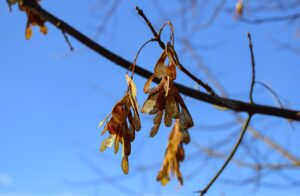
Equine atypical myopathy, also known as atypical myogloninuria or seasonal pasture myopathy (SPM), a highly fatal muscle disease, is a condition which can affect grazing horses in the spring or autumn caused by consumption of sycamore tree seeds. Each year in Ireland there have been from 6-12 cases diagnosed with perhaps many more occurring, but not identified.

sycamore seeds on tree
Read more about Equine Myopathy here


Endocrine metabolic disorder (EMS) – early diagnosis is important

Identifying EMS, and taking steps to manage the disorder can allow a horse/pony to live a healthy and productive life. Early diagnosis is important as the prognosis for those horses or ponies who have suffered multiple previous bouts of laminitis and major structural damage to hoof laminae is less favourable. Vets diagnose EMS on the basis of history, clinical examination and the results of blood tests and radiograph/x-ray evidence of subclinical laminitis.

Read more about Endocrine Metabolic Disorder (EMS) here


Failure of Passive Transfer or FPT

Foals are born without protective immunity against infectious disease organisms and require “passive transfer” of infection-fighting proteins called antibodies that are found in the mare’s first milk, or colostrum. If a foal does not obtain enough quality colostrum, they will not be protected from viruses and bacteria. This is referred to as failure of passive transfer (F.P.T.) of immunity and approximately 5-20% of newborn foals are diagnosed with F.P.T. and are at risk for developing serious medical conditions.


Find out more about FPT here