
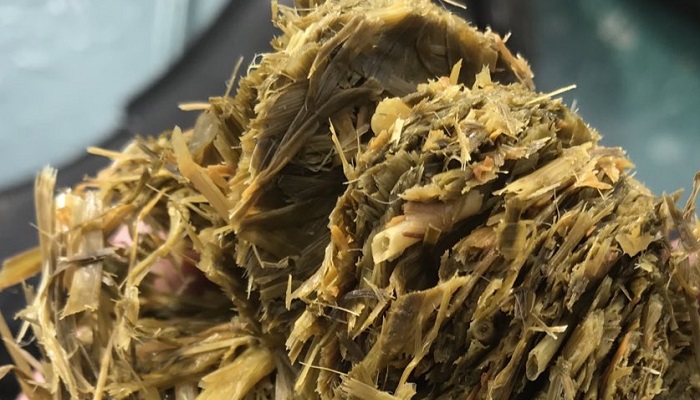
Feed quality has huge implications for animal performance over the winter months, and a greater focus is required on producing silage of sufficient quality for all livestock categories.
That as key message delivered by Dr. Aisling Claffey, Teagasc Ruminant Nutrition Specialist, who was commenting following the release of the recently updated National Fodder Survey, which quantified winter forage and silage supplies on approximately 300 dairy and drystock farms nationally.
Nationally, the updated Fodder Survey revealed, 90% of farms expect to have sufficient feed in place for the winter ahead, but approximately 5% of farms expect to face fodder deficits of 20% or greater. Compared to the previous two years, the spring of 2025 facilitated an earlier turnout, putting farms in a good position nationally. However, approximately 20% of farms had to purchase additional feed this spring.
It can prove challenging to secure high-quality feed for freshly calved and growing animals, which require silage quality of at least 70 Dry Matter Digestibility (DMD) to support performance. It also highlights the importance of having sufficient pasture on farm for spring grazing, as this is where many farms were reliant on supplementary feed to fill feed deficits.
Dr. Claffey added: “While the majority of farms will have built up a reserve this summer with optimal growing conditions in most parts of the country, only 30% of those surveyed intend to analyse silage quality.
“Feed quality has huge implications for animal performance over the winter months, and a greater focus is required on producing silage of sufficient quality for all livestock categories.
“I would also like to acknowledge the input of Katie Cooney in the National Fodder Survey for her time in collecting data and to the farmers for willingly participating and sharing their data during this process,” Dr. Claffey added.
Thomas Curran, Head of the Teagasc Advisory Service, commented: “It is encouraging to see healthy hay and silage stocks on the majority of farms across the country. It is very important to analyse silage before the winter to determine the quality as this will have a major impact on the performance of animals and the cost of overwintering stock.”
Complete a fodder budget
Many farms capitalised on good growing conditions in April and May; 54% of respondents had completed first-cut silage by the end of May, and a further 37% in early June. PastureBase Ireland data trends suggest an additional 0.7 tonne DM/Ha has been grown to date on farms above the previous 5-year average.
However, on approximately 10% – 15% of PastureBase Ireland farms, drought conditions have been experienced. This may result in compromised winter feed reserves in these regions. Only 40% of respondents had completed a winter fodder budget to date. Budgeting is critical, particularly where reserves may be reduced but it may also identify significant surpluses on some farms and allow those individuals to sell feed.
“All farmers need to complete a fodder budget annually to assess the quantity of fodder required and this can be easily done on the PastureBase Ireland app or with the help of your Advisor,” Thomas Curran added.
Given that the majority of farms have sufficient reserves in place for the winter months, the focus should now move to building up grass for the autumn through a closing rotation that will maximise spring grass availability.
For further information on silage testing, contact your local Teagasc advisor here.