
Accurate heat detection is important for good fertility in any suckler herd. In this article, Future Beef Programme Advisor, James Mullane looks at some heat detection options for autumn-calving suckler herds.
Heat detection in autumn-calving herds is often easier to carry out as cows are housed, as opposed to spring-calving systems where cows are at grass. Regardless of the system, accurate heat detection is essential; cows not submitted for AI or to the bull cannot go back in calf.
Pre-breeding checks
Ideally, a pre-breeding heat check should be carried out and recorded – regardless of if you are using AI or a stock bull. One of the main purposes of this is to more easily identify cows in heat, but also to identify cows which are not cycling and are in need of intervention.
Identifying cows early in the breeding season that are not bulling will allow you to intervene. These cows can be scanned to identify any issues they may have, such as uterine infections or problems associated with a previous calving, which may have gone unnoticed.
Heat detection aids
Heat detection aids such as tail paint and scratch cards work well indoors. Vasectomised bulls are also an excellent heat detection aid and are becoming more popular in suckler herds using AI.
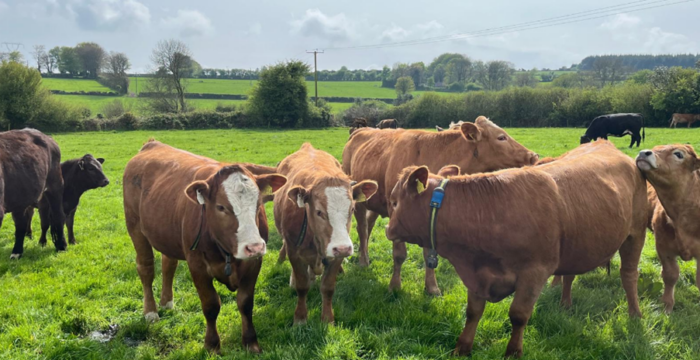
A growing number of suckler herds continue to introduce heat and health monitoring systems (featured image above) to help with heat detection, particularly for those working off-farm and still wishing to use AI.
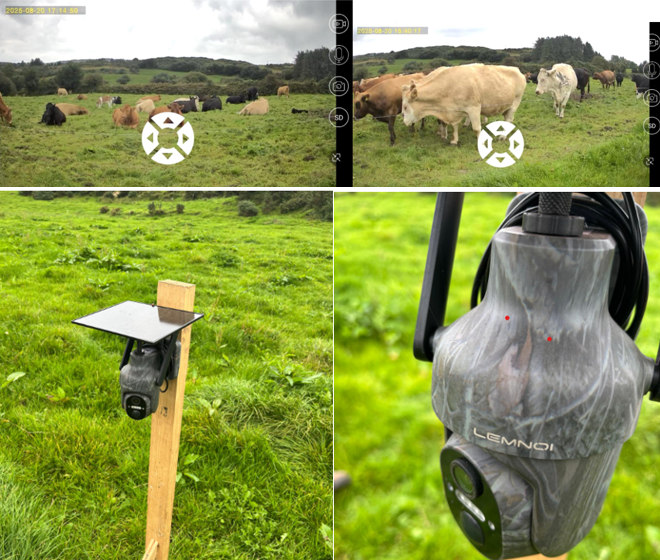
Some farmers will use PTZ security type cameras/calving cameras in order to help identify cows in heat. These cameras can be set up for picking up cows in heat in a paddock or in their housing area (see figure 1). As a word of caution, some cows may display shorter standing heats on slats, which can be missed so the use of a loafing area or rubber mats on slats may prove beneficial.
Figure 1: Outdoor PTZ solar powered camera for picking up cows for AI/calving etc.
Shortening the gap between calving and breeding
Restricted suckling for a short period between the dam and the calf twice per day can speed up the onset of heat and decrease the days to service. If practicing this, aim to commence once the cows are approximately 30 days calved and continue for roughly three weeks. This practice can also prove beneficial for later calved cows – allowing you to gain back some lost days and tighten up the calving interval.
Approximately 85% of these cows will show signs of heat within 2-3 weeks of the first separation. This is due to decreasing the bond between the cow and the calf through sight and smell as well as the sucking effect.
James Mullane is an Advisor on the Teagasc Future Beef Programme. For more tips and advice, visit the Future Beef webpage here.
More from Teagasc Daily: Sire selection for autumn-calving suckler herds
More from Teagasc Daily: Breeding and feeding autumn-calving cows