



Breeding
12 cows are now calved with live calves on the ground. The cows and calves are going to dry, sheltered paddocks by day which are near to the yard. Aonghusa is happy with the calving season so far and has little to no issues with calving difficulty or slow calves after birth.
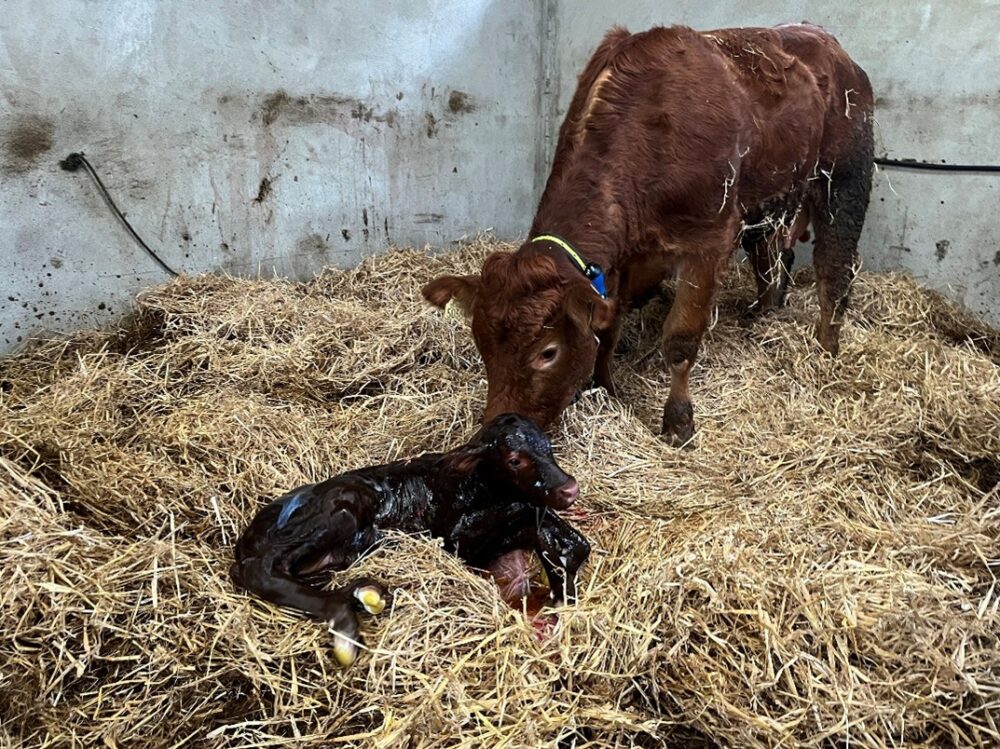
Figure 1: Aonghusa’s heifer that was on the Teagasc stand at the Ploughing Championships 2024 had her first calf at 2 years of age. She is €143 on the replacement index has 2 x F94L myostatin mutations
Aonghusa had his new Sensehub system installed in December and put the new collars on the cows and breeding heifers in mid-February so that they have time to work before the breeding season starts. The system records 10 animal behaviours including side lying, low activity, medium activity, high activity, eating (different when inside), rumination, walking, grazing, heavy breathing/panting and abnormal behaviour. This information is then translated into real-time information on:
- Heat data – when in heat, ideal time for insemination including sexed semen window, anoestrus cows, irregular heats
- Health alerts – abortions, internal sickness
- Transition information between phases e.g. pre and post calving
- Nutrition irregularities
- Heat stress
- Pregnancy probability
Aonghusa has a corresponding app downloaded onto his phone and alerts will be sent directly to him and he is looking forward to seeing it in action this spring.
Performance
Five cull cows were sold to the factory on 9th January at an average of 400kg carcass weight.
Two bullocks and the vasectomised bull were sold to the factory on 24th February and they averaged 270kg carcass weight at 23.1 months of age. They graded O=3- and averaged €1922/head.
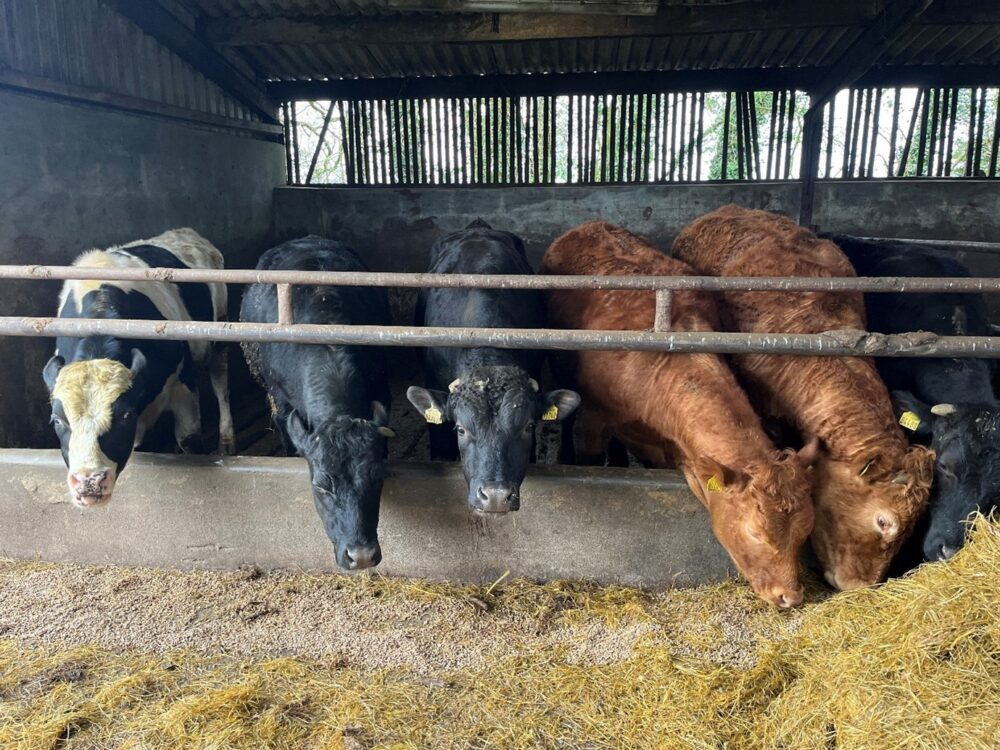
Figure 2: Two bullocks and the vasectomised HO/FR bull above were sold to the factory recently
The remaining finishing cattle are eating 8kg of ration/had/day and the weanlings are on less than 1kg of ration/head/day. They will soon move to the out farm in Tulla for summer grazing to join 4 dairy beef bullocks that Aonghusa purchased in January at 226kg.
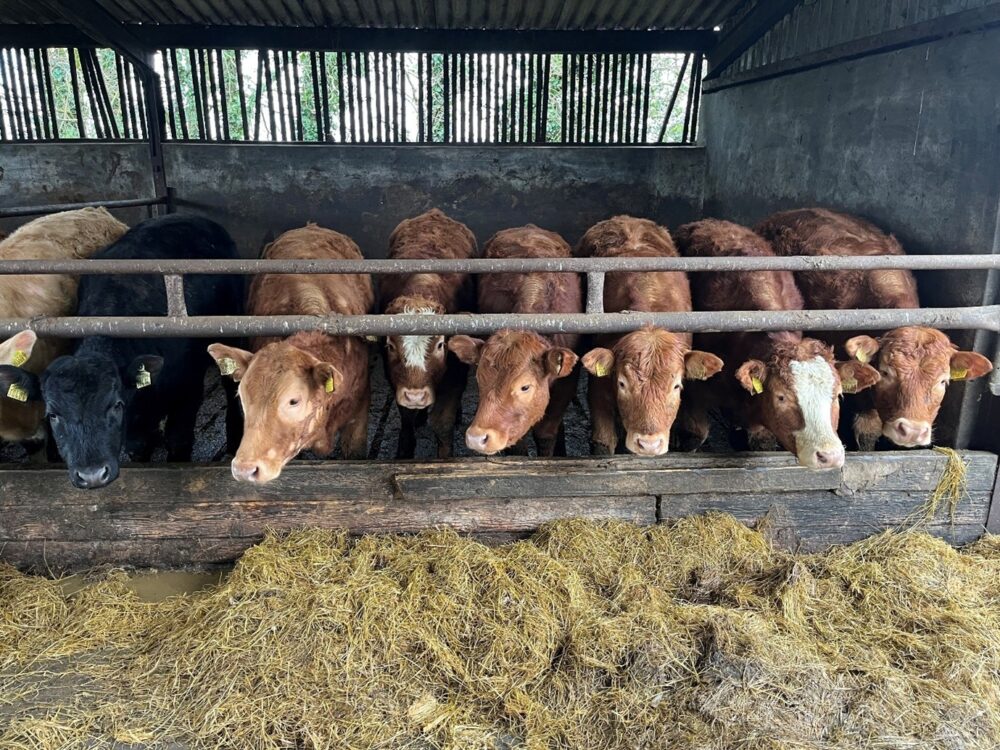
Figure 3: The weanlings will move to Tulla for summer grazing
Financial
Aonghusa completed his profit monitor for 2025. There was no major changes on the farm to land or stock numbers, but Aonghusa did opt to change to 100% AI and the Limousin bull was sold. He has been analysing his 2025 cattle detailed report.
The output per livestock unit was on target at 353 kg/LU. This is affected by everything that affects daily live weight gain on the farm; bull fertility, cow fertility, mortality, grass management, animal health, silage quality, ration fed etc. The target is over 350 kg/LU for a suckler system and 500kg/LU for a dairy calf to beef system. It was a significant increase from 314 kg/LU in 2024.
The stocking rate increased slightly from 1.38 LU/ha to 1.43 LU/ha due to slightly extra breeding stock as Aonghusa is building numbers back up from the TB outbreak a few years ago.
The gross output figure is calculated from cattle sales minus cattle purchases and add/subtract any changes to the inventory. Aonghusa had a gross output figure of €1482/ha which is the main ‘money in the pot’ to cover variable and fixed costs. This increased from €1338/ha in 2024, which was already up from €961/ha in 2023.
The 3 biggest expenses on drystock farms are purchased concentrate, fertiliser and contractor costs. Aonghusa’s farm is no different with his biggest costs for the year;
- Ration €166/ha
- Contractor: €139/ha
- Fertiliser: €55/ha
In total, the total variable costs (€476/ha) were 32% of the gross output figure, which is much lower than the target of <50% for a suckling system. Aonghusa has exceptional control of the costs on his farm and avoids spending money unnecessarily. This figure was only 34% in 2024 so he is consistently ahead of target in this area.
The fixed costs were €478/ha for 2025 which is slightly higher than 2024 due to increased investment and extra repairs and maintenance. This is expected to climb slightly in 2026 due to the investment into the Sensehub system but with the grant and large farmed area it is not expected to be high per hectare. Aonghusa has no plans to build any new sheds as he has sufficient housing and storage but may invest in a new crush in the yard.
For 2025 the cattle enterprise made €528/ha net margin which does not include any direct payments or subsidies. It is only €48/ha ahead of 2024 but the big difference is that Aonghusa sold 45 cattle that year compared with 22 in 2025. Some finishing cattle were carried over the winter of 2025 and these will be now sold in the spring of 2026.