



Breeding
Calving started on 14th February and is progressing very well with only 8 cows left to calve. Cathal is using the MooCall system on the cows in the lead up to calving where he is receiving text alerts 1-2 hours before the cow calves. It means he is able to monitor the calving cameras after receiving it, although it has to be on the cow or heifer closest to calving as he only has one. It’s working very well for him this year, particularly when he is living away from the farmyard.
Cathal is happy with his change from the Simmental to the Charolais stock bull last summer as he has little to no bother with the calves arriving from him. Last year the calves were big at birth and cows needed assistance at calving. However Cathal was concerned that the Charolais bull was narrow at the hindquarters and purchased a new Charolais bull for this year’s breeding season.
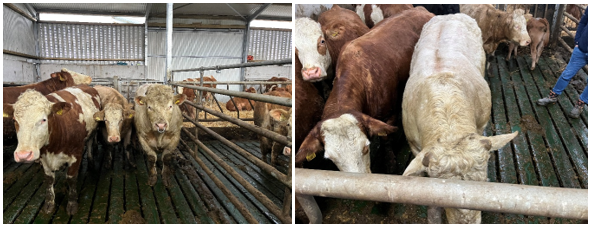
Figure 1: Cathal’s new Charolais stock bull
Although he has a replacement index of €105, he was purchased based on his terminal traits and he is €169 on the terminal index. He is 6% for cow calving difficulty at 67% reliability which is good, but Cathal is wary of using him on first calvers or narrower cows. He is 10.4% for beef heifer calving difficulty at 55% reliability so will not be used on heifers.
In terms of terminal traits he is 43.4kg for carcass weight, 2.03 for carcass conformation and -0.91 days on age at finish.
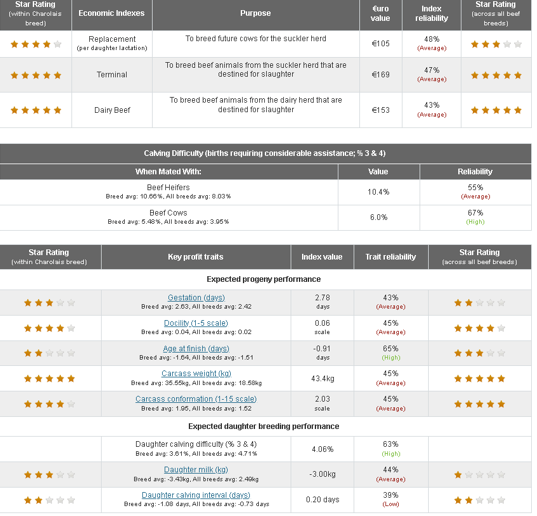
Figure 2: Eurostar figures for new Charolais stock bull (Source: ICBF)
Cathal plans to run the new Charolais bull with the strongest 10 cows, run the older Charolais bull with the rest of the cows and first calvers, and do 2 rounds of sexed semen AI with the 6 breeding heifers through a synchronisation programme. They can then be mopped up with the Limousin bull which will be sold later this year. He also has a Mooheat collar and tags which can be used to monitor one of the stock bull’s activity.
The 6 breeding heifers have the following Eurostar traits:
- €128 on the replacement index (range from €99 to €144)
- 6 kg for carcass weight (range from 24 to 29.1kg)
- 4 kg for daughter milk (range from 5.4 to 12.5kg)
Performance
The yearling heifers (11) are getting 3kg of ration/head/day. The non-breeding heifers will be sold from the shed before mid-April. They were all weighed on 31st January and averaged 378kg, after gaining 0.92 kg/day since 27th December. They ranged from 300 to 460kg live weight.
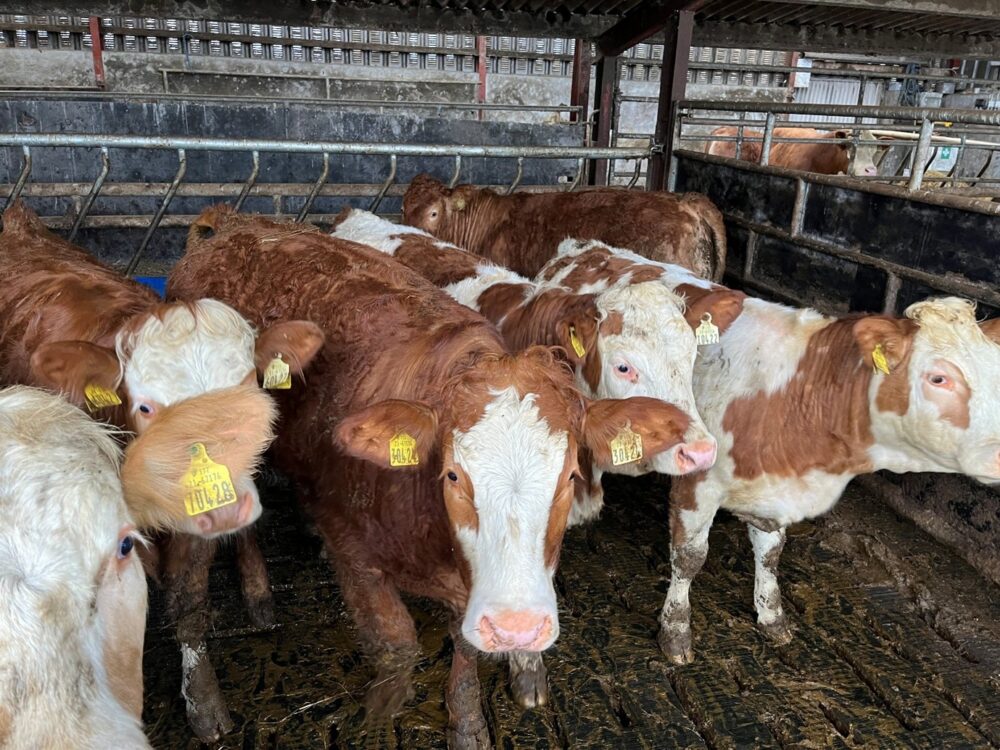
Figure 3: The heifers averaged 378kg on 31st January
The finishing bulls (9) are on 9.5 kg of ration/head/day which is fed in 2 feeds. The home bred bulls were weighed on 31st January and averaged 500kg which has them 1 month ahead of target. They gained 1.68 kg/day since 27th December.
The bought in bulls (12) averaged 616kg and gained 1.37kg/day since 27th December. They ranged from 511 to 697kg in live weight and Cathal expects to be drafting some for the factory by April.
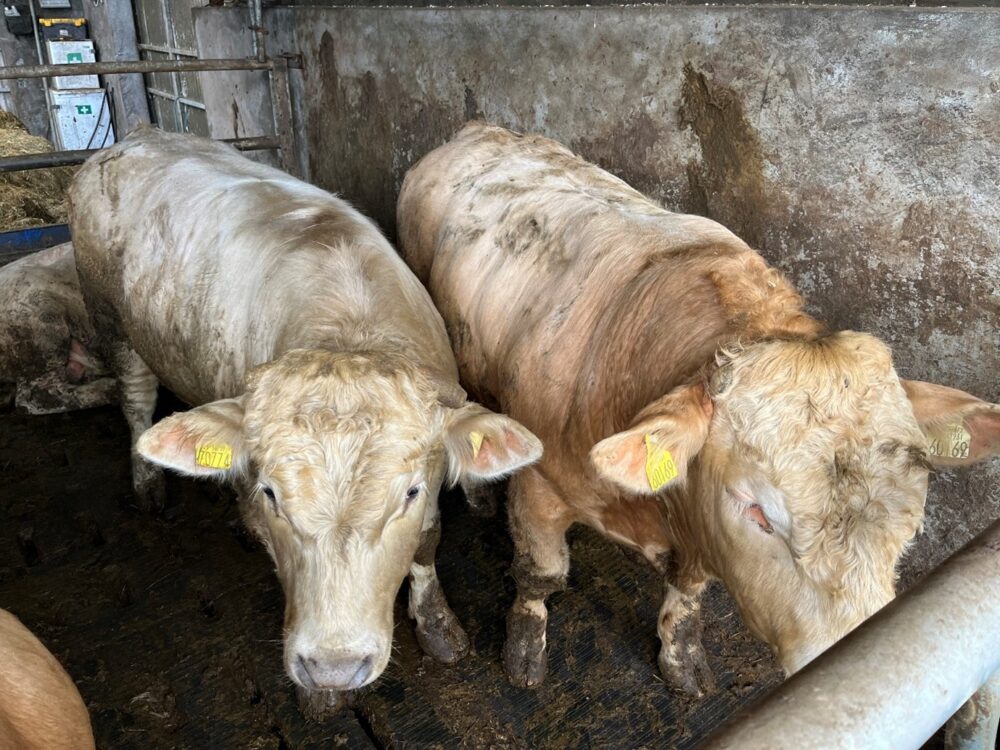
Figure 4: Bulls #774 and #169 weighed 600kg and 629kg respectively on 31st January 2026
Financial
Cathal has completed his profit monitor for 2025. There were no changes to the land area this year. The farm system has remained largely the same with suckler to store enterprise for the heifers and with the suckler bulls finished under 16 months of age, with some purchased ones included. Cathal also bought in dairy beef bullocks for finishing from the shed during the summer but doesn’t plan to continue this in future. He has been analysing his 2025 cattle detailed report.
The output per livestock unit was excellent at 464 kg/LU. This is affected by everything that affects daily live weight gain on the farm; bull fertility, cow fertility, mortality, grass management, animal health, silage quality, ration fed etc. The target is over 350 kg/LU for a suckler system and 500kg/LU for a dairy calf to beef system. It was a significant increase from 391 kg/LU in 2024 and is Cathal’s highest figure in the last 5 years, mainly due to the bull beef enterprise.
The stocking rate increased slightly due to the extra stock from 1.52 LU/ha to 1.86 LU/ha but is well under derogation limits.
The gross output figure is calculated from cattle sales minus cattle purchases and add/subtract any changes to the inventory. Cathal had a gross output figure of €2842/ha which is the main ‘money in the pot’ to cover variable and fixed costs. This increased from €1314/ha in 2024, mainly due to the extra beef sold and the increase in beef price.
The 3 biggest expenses on drystock farms are purchased concentrate, fertiliser and contractor costs. Cathal’s farm is no different with his biggest costs for the year;
- Ration €889/ha
- Contractor: €504/ha
- Fertiliser: €147/ha
Due to fertiliser limit restrictions, Cathal’s purchased forage bill was also high at €364/ha. The total variable costs (€2496/ha) were 88% of the gross output figure, which is much higher than the target of <55% for a bull beef system. It is back on the previous years where it has been running at 120-130% but is not leaving enough profit to cover the fixed costs which are high per hectare on the farm. This means that direct payments are being used to financially support the farm but the plan is to move away from that over the coming years.