Media
- Aonghusa featured on a Future Beef webinar recently
- Topic: Breeding technologies in practice
- Watch back below
Only 4 cows were left to calve on Aonghusa’s farm by 27th March. The calving season went okay, with no major issues at calving and 23 live calves on the ground. However a further two calves were dead at birth and while the blood results did not show anything, Aonghusa is wondering if they smothered in the bag after being born. One cow is now rearing a dairy beef calf so Aonghusa will breed from her again.
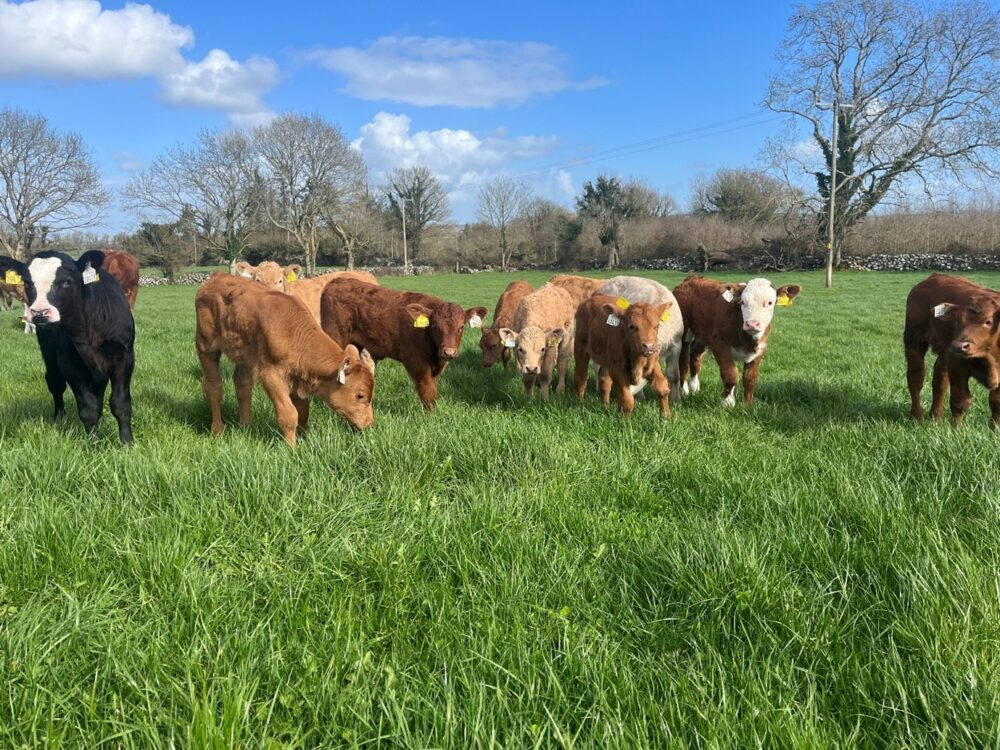
Figure 1: Some of the suckler calves at grass
The breeding season started on Monday 20th April. Aonghusa has 36 to 38 females to breed this year, including 9 maiden heifers which he plans to synchronise for AI. Culls are yet to be finalised and will likely be the late calvers and older cows that have low udders. The suckler cows are currently at:
The bulls Aonghusa has selected include:
All bulls were chosen based on calving difficulty of less than 8% for cows and less than 7% for heifers. The maternal bulls were selected based on their daughter milk (4 to 12.1kg), daughter calving interval (+1.33 to -4.53 days) and carcass weight (24.3 to 43.7k g) and have been matched to cows that need improvements in those traits. The aim is to produce a balanced animal for replacement, that will also have desirable traits for finishing on the farm if it’s a male. The terminal bulls were selected on carcass weight (21.8 to 33.3 kg), carcass conformation (2.39) and age at finish (+1.8 8days to -3.46 days).
Aonghusa’s priority for the heifers is to produce a live calf at birth and he is using Angus bulls on the smaller ones that also have Angus breeding in them. The Limousin bulls being used are balanced bulls so he may have potential replacements from them also.
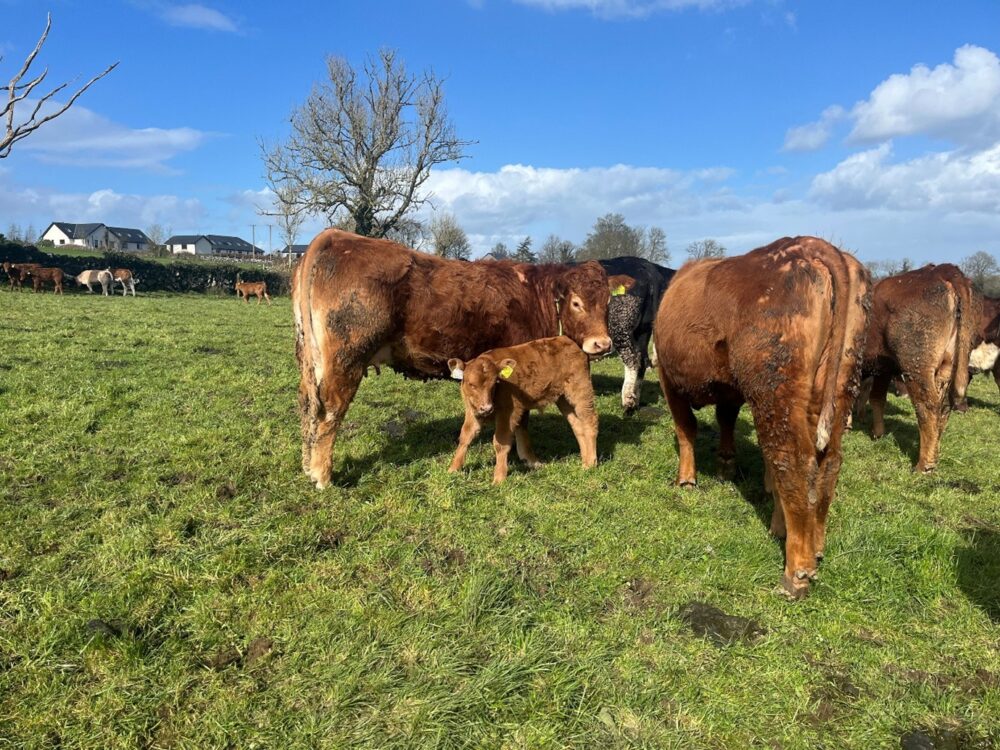
Figure 2: Second calvers will receive an easier calving bull than third calvers
With his new Sensehub system Aonghusa decided to sell one of the dairy beef vasectomised bulls for €1500 as he won’t need him.
Aonghusa is also vaccinating the herd against bluetongue. It’s a viral disease affecting cattle and sheep, but it does not affect humans and poses no food safety risk.
It can be transferred 3 different ways:
The risk period is from April–November when temperatures >12–15°C allow virus replication in midges.
Symptoms include:
Aonghusa updated his carbon footprint for the year in conjunction with local climate advisor, Colm Kelly. His data was entered onto the Bord Bia sustainability survey which allowed him to generate a carbon footprint. The carbon footprint on the farm was 11.66 kg CO2e per kg of live weight gain, which is close to the average for a beef farm. It decreased from 11.78 kg CO2e per kg of live weight in 2024 – mainly due to extra kg of beef produced on the farm.
Actions that Aonghusa could take to reduce this going forward are:
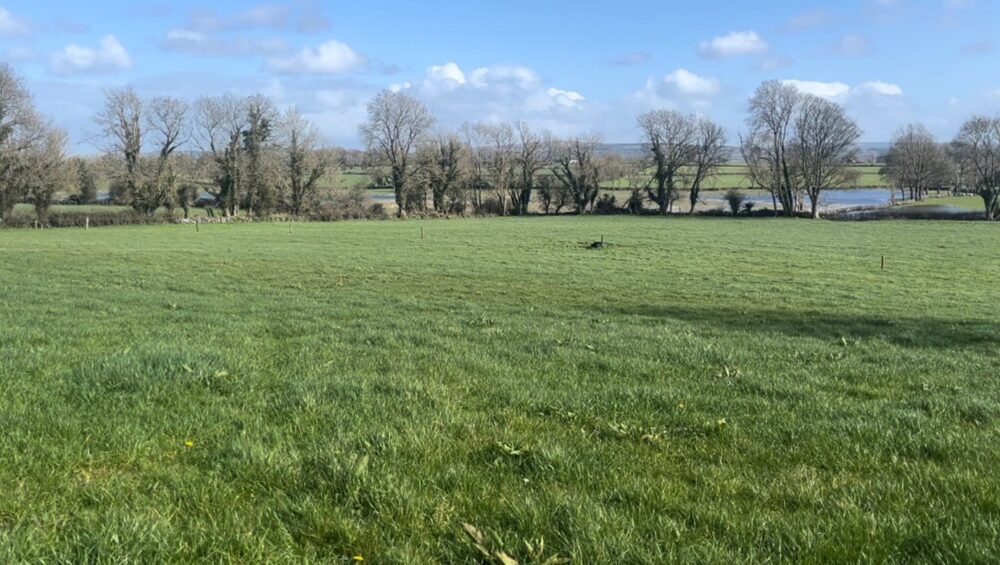
Figure 3: Closed silage ground which had slurry spread by LESS