

Breeding
The breeding season is now finished on Trevor’s farm. It started on 11th October and ended on 6th February, lasting 17 weeks in total. During that time, 8 heifers and 40 cows were bred with 8 of the heifers and 24 cows scanned in calf on 31st December. The later bred cows are due to be scanned. Any cows not in calf will either be finished on the farm or sold live through the mart. Two culls were already sold live on 11th April.
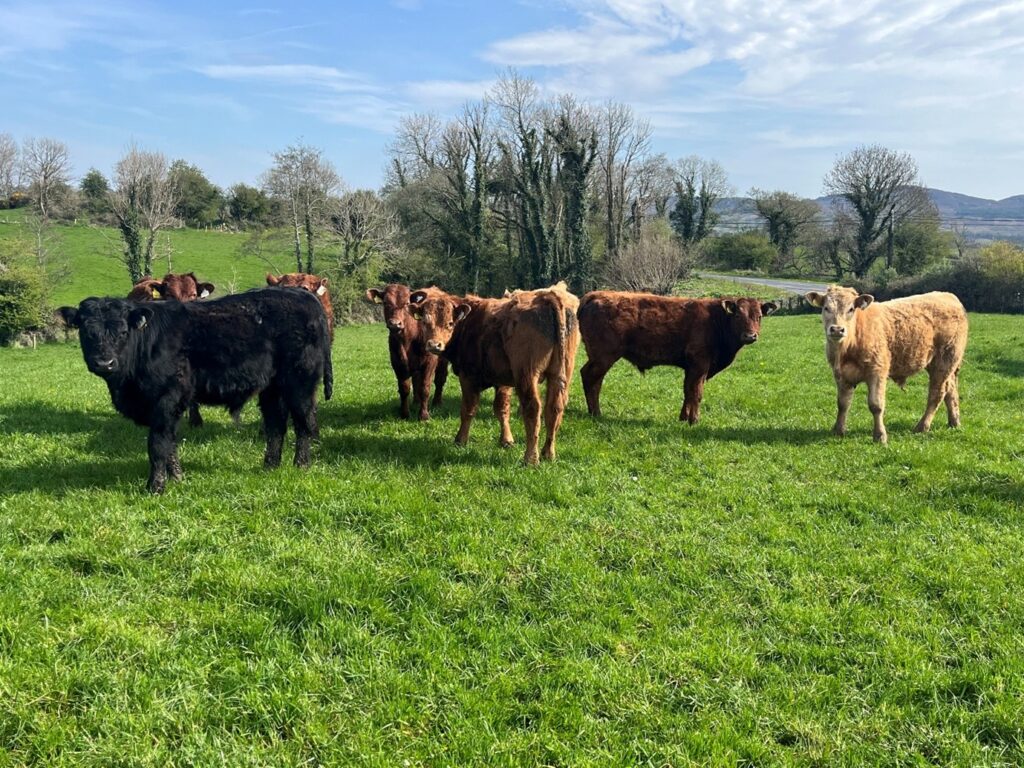
Figure 1: Some of the autumn 2025 born bulls at grass
On analysis of the beef calving report, calving started in 23rd July 2025 and finished on 31st December for the autumn herd, lasting 23 weeks in total. One calf was born in January 2026 and fell into the ‘spring herd’ classification. Nine heifers and 36 cows calved, amounting to 45 calvings.
The key performance indicators were as follows:
- Calving interval: 389 days (target 365 days)
- Mortality at birth:2% (target <2.5%)
- Mortality at 28 days:4% (target <5%)
- Calves per cow per year:86 (target >0.95)
- % heifers calved at 22-26 months: 89% (target 100%)
- Autumn 6-week calving rate: 57% (target >70%)
Two cows did not calve since 2024 and are now confirmed back in calf for 2026, so they are contributing to the lower calves per cow per year figure. Trevor is trying to build the herd numbers up to 50 cows and extended the breeding season this year as he lost 2 cows to suspected grass tetany in December. He also used a synchronisation programme in the autumn to help tighten the calving spread. 73% of the calves were born from AI bulls in 2025 and the remainder were bred from the Saler stock bulls.
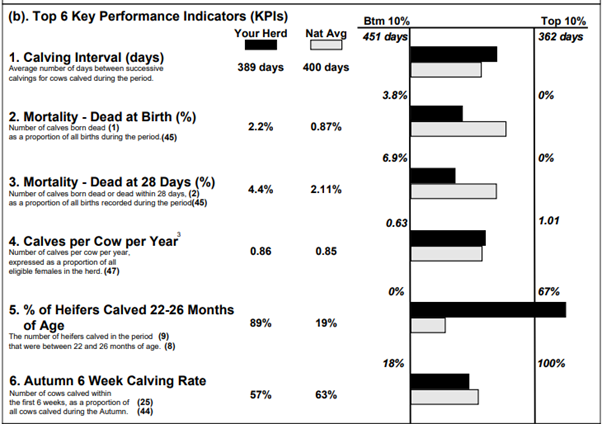
Figure 2: KPI’s from the ICBF beef calving report (Source: ICBF)
Grassland
Fertiliser has been unusually late on Trevor’s farm this spring. Despite being a dry farm, the volume of rain that fell has made it difficult to get field work done. 18-6-12 was spread on grazing ground to help recovery after spring, and 3 bags of cut sward (24-2.5-10) per acre were spread on silage ground.
This will be followed up with slurry which will be spread by LESS in the last week of April. Due to better uptakes of nitrogen at this time of year, Trevor still expects to be cutting silage in early June for maximum quality, with a 6-week growing period. The fields were all grazed in spring so this will help to maintain quality.
There are 300 bales left over in the yard, so Trevor expects to have no issue reaching his target of 540 bales for his coming winter. The 540 bales are based on demand for 50 cows, 50 calves and 23 yearling heifers over a 5-month winter, with 1kg/head/day of ration included for the weanlings.
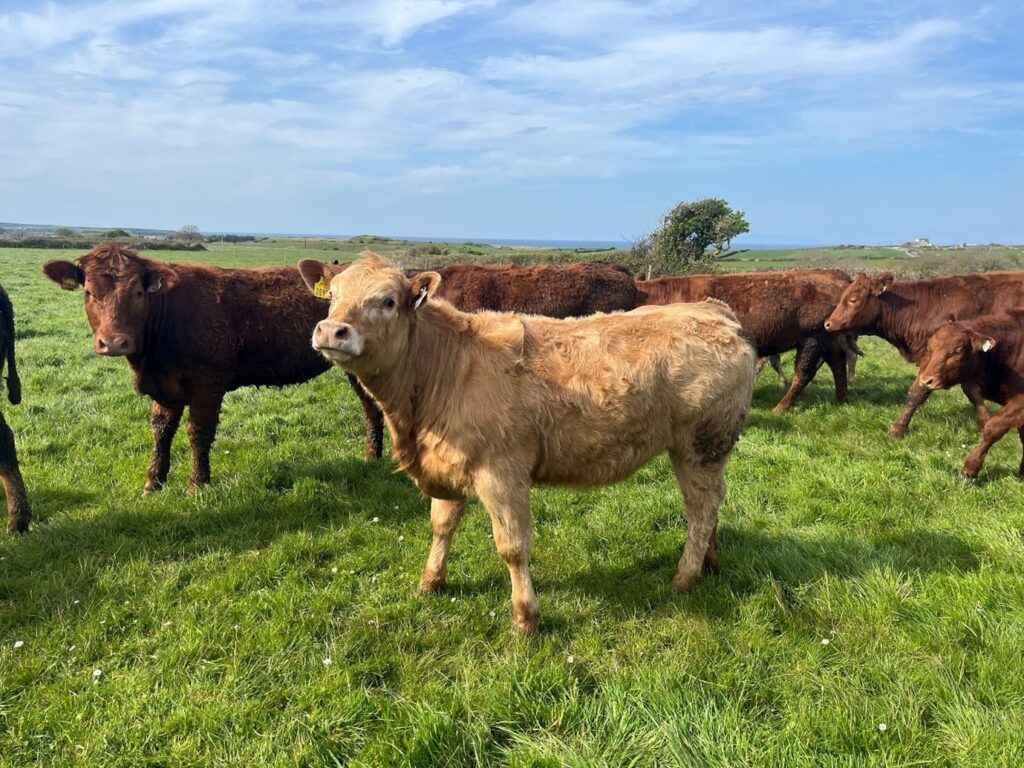
Figure 3: The suckler heifers are now grazing on the outfarm where they’ll remain for the summer
Financial
Trevor has completed his profit monitor for 2025. There was no major change to the farm system this year, but extra land will be available in 2026. 39 dairy beef heifers were bought in and finished off grass. He has been analysing his2025 cattle detailed report.
The output per livestock unit was 329 kg/LU. This is affected by everything that affects daily live weight gain on the farm; bull fertility, cow fertility, mortality, grass management, animal health, silage quality, ration fed etc. The target is over 350 kg/LU for a suckler system and 500kg/LU for a dairy calf to beef system. It was an increase from 308 kg/LU in 2024.
The stocking rate dropped slightly from 2.09 LU/ha to 1.96 LU/ha due to 2 less suckler cows and is under derogation limits.
The gross output figure is calculated from cattle sales minus cattle purchases and add/subtract any changes to the inventory. Trevor had a gross output figure of €3036/ha which is the main ‘money in the pot’ to cover variable and fixed costs. This increased from €1983/ha in 2024, which was already up from €1810/ha in 2023.
The 3 biggest expenses on drystock farms are purchased concentrate, fertiliser and contractor costs. Trevor’s farm is no different with his biggest costs for the year;
- Ration €231/ha
- Contractor: €309/ha
- Fertiliser: €311/ha
In total, the total variable costs (€1146/ha) were 38% of the gross output figure, which is much lower than the target of <50% for a beef farm. It is also well back from 54% in 2024– mainly due to a higher beef price and controlling costs on the farm. This left a healthy gross margin of €1890/ha.
The fixed costs were €587/ha for 2025 which is slightly higher than 2024. For 2025 the cattle enterprise made €1303/ha net margin which does not include any direct payments or subsidies, and is over double the net profit made in 2024.