

Breeding
- Pre-calving vaccines
- Analysis of pre-calving minerals
- Cows are in good body condition in the lead up to calving


John vaccinated the suckler cows against rotavirus, coronavirus and e.coli from 3 to 12 weeks before they are due to calve. This will help to prevent scours in the suckler calves after birth. They are also being fed 120g of pre-calving minerals/head/day in the lead up to calving.
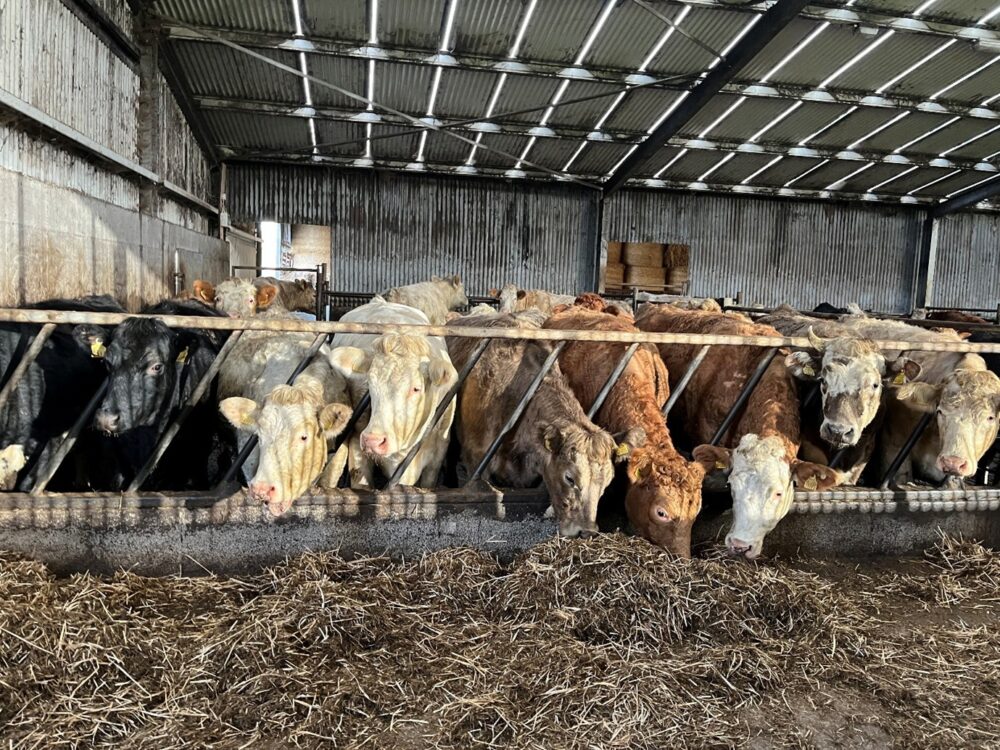
Figure 1: Cows are in good body condition pre-calving
As seen in Figure 2 below, the mineral is providing sufficient magnesium, calcium and sodium as required by the cows. The phosphorus is a little low at 3.6 g/head/day but is still good. John took a mineral analysis of his cow silage and they showed a normal level, whereas if this was low it could be an issue.
A good quantity of trace elements are also supplied, with copper, selenium, iodine, cobalt and zinc daily requirements being met. These are important as the selenium, cobalt and zin levels in the silage were low. There is only 240 mg/head/day of manganese being supplied versus the 335-415 mg required, but the silage levels are normal for this so it’s not a major concern.
Vitamins D3 and E are being adequately supplied through this particular mineral, and although the vitamin A levels are 12,000 iu below the daily requirement, it is still a good quality mineral overall, that complements John’s silage.
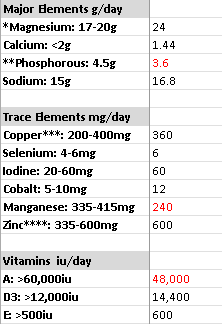
Figure 2: Pre calving mineral requirement versus what’s provided in John’s mineral
The TB test is took place on the 21st of January and the herd passed which was a relief.
John was concerned about the performance of the suckler bred weanlings after weaning. Although they had been dosed for stomach worms, lice and lung worms with Bimectin, he took a FEC sample which returned a high positive result for rumen fluke. It is suspected that they picked it up along his owned fields by the river and/or in some rented land along by the river. The housed suckler weanlings were treated for it during the first week in January. John also identified two suckler cows that could be selectively dosed for rumen fluke as they had very loose dungs and were thinner than the rest of the cows.
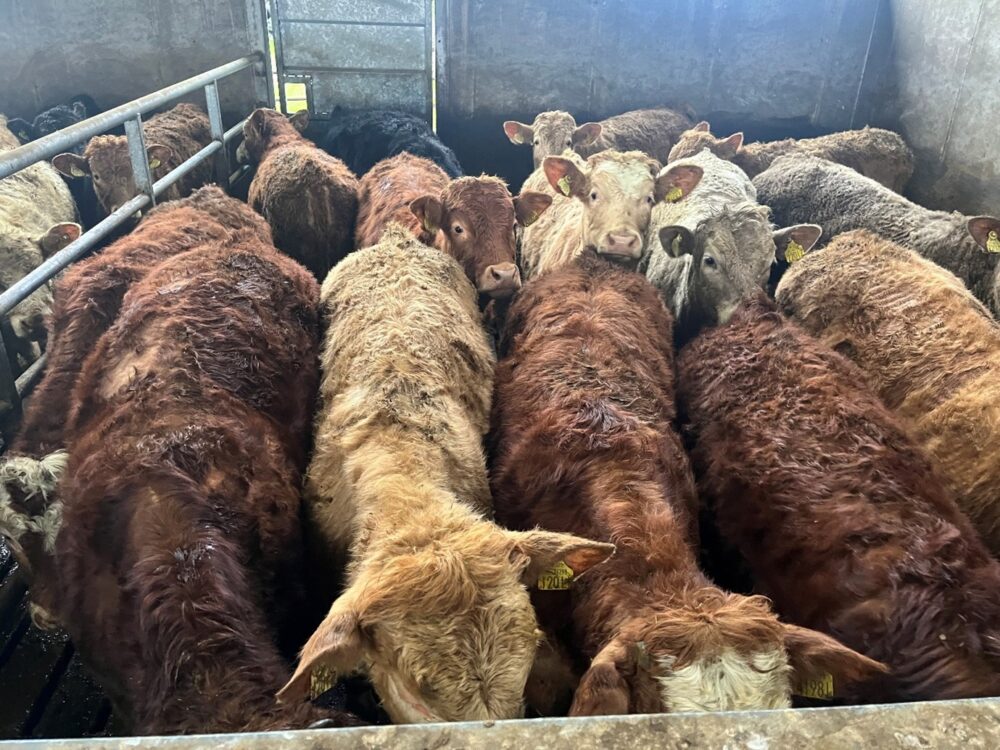
Figure 3: Suckler weanlings have been treated for rumen fluke
The dairy beef calves and store cattle were also be treated for rumen fluke, lung worms and stomach worms. While the dairy beef cattle are grazing grass and the forage rape over winter, they appear to be scratching a lot so John will also treat them for lice with a pour on product.
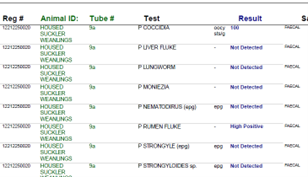
Figure 4: FEC sample results from the suckler weanlings
John has completed his profit monitor for 2025. The biggest change on the farm for the year was that all stock had to be finished earlier in the year due to a TB restriction on the herd. John typically sells forward stores through the mart but fortunately had enough silage and ration to finish them out of the shed instead. He has been analysing his 2025 cattle detailed report.
The output per livestock unit was lower than expected at 312 kg/LU. This is affected by everything that affects daily live weight gain on the farm; bull fertility, cow fertility, mortality, grass management, animal health, silage quality, ration fed etc. The target is over 350 kg/LU for a suckler system and 500kg/LU for a dairy calf to beef system. It decreased slightly from 318 kg/LU in 2024 and was mainly due to mortality in the dairy bred calves over the summer. They experienced an outbreak of mycoplasma which had a severe impact on health and performance.
The grassland stocking rate increased from 2.3 LU/ha to 2.63 LU/ha due to slightly less grassland area and the extra cattle retained on the farm.
The gross output figure is calculated from cattle sales minus cattle purchases and add/subtract any changes to the inventory. John had a gross output figure of €2839/ha which is the main ‘money in the pot’ to cover variable and fixed costs. This increased substantially from €1793/ha in 2024.
The 3 biggest expenses on drystock farms are purchased concentrate, fertiliser and contractor costs. John’s farm is no different with his biggest costs for the year as;
His contractor bill is low at €55/ha, but John and his son James do a lot of their own machinery work so this is reflected in the machinery running costs at €204/ha, which is accounted for in the fixed costs section.
In total, the total variable costs (€1175/ha) were 41% of the gross output figure, which is much lower than the target of <50% for suckling enterprises. It is also well back from 51% in 2024 – mainly due to a higher beef price and controlling costs on the farm.
The fixed costs were €948/ha for 2025 which is slightly higher than 2024 due to increased investment and higher machinery running costs. This is expected to climb over the coming years due to further investments into a new cattle handling facility and grain shed. For 2025 the cattle enterprise made €716/ha net margin which does not include any direct payments or subsidies and is significantly higher than the net profit made in 2024.