
Breeding
- Calving season almost finished
- Started 1st February, only 6 left to calve on 1st April
- 2 FRX bulls have been vasectomised ahead of the breeding season
Olivia started calving on 1st February and had 42 cows calved up until 1st April, with only 6 remaining. The calving season is going well so far and only one calf needed assistance with the calving jack at birth so far.
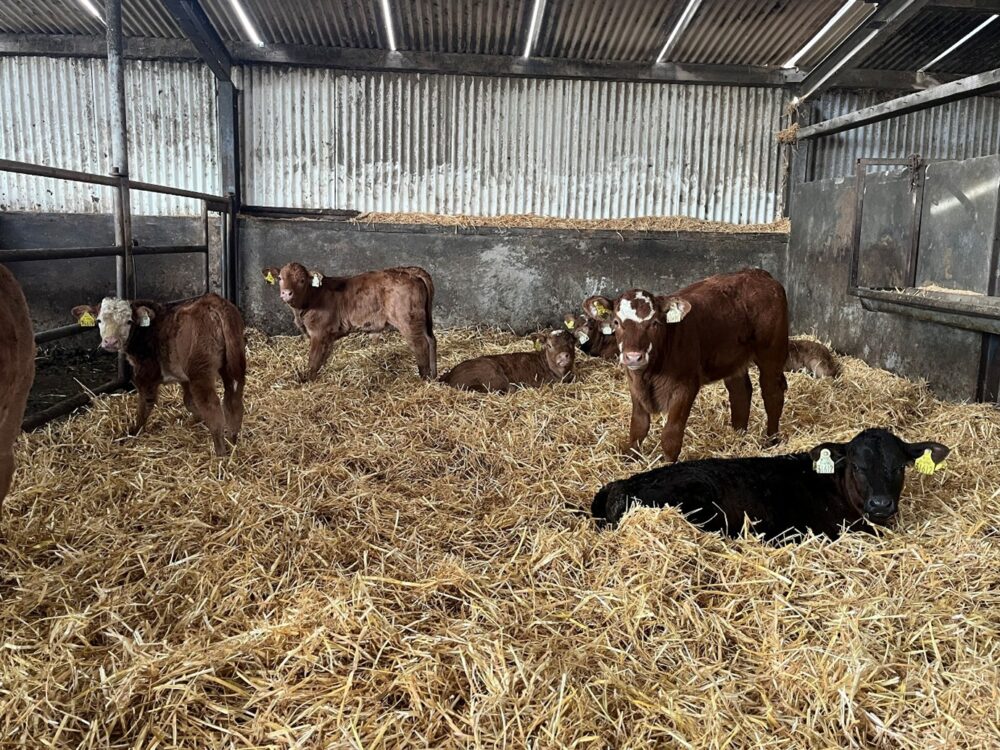
Figure 1: Some of the 2025 born calves
The oldest calves and their cows are at grass full time despite the weather, and Olivia is feeding them haylage outside to help prevent tetany. They are also given access to more sheltered paddocks but are grazing good quality grass and are in good body condition for breeding.
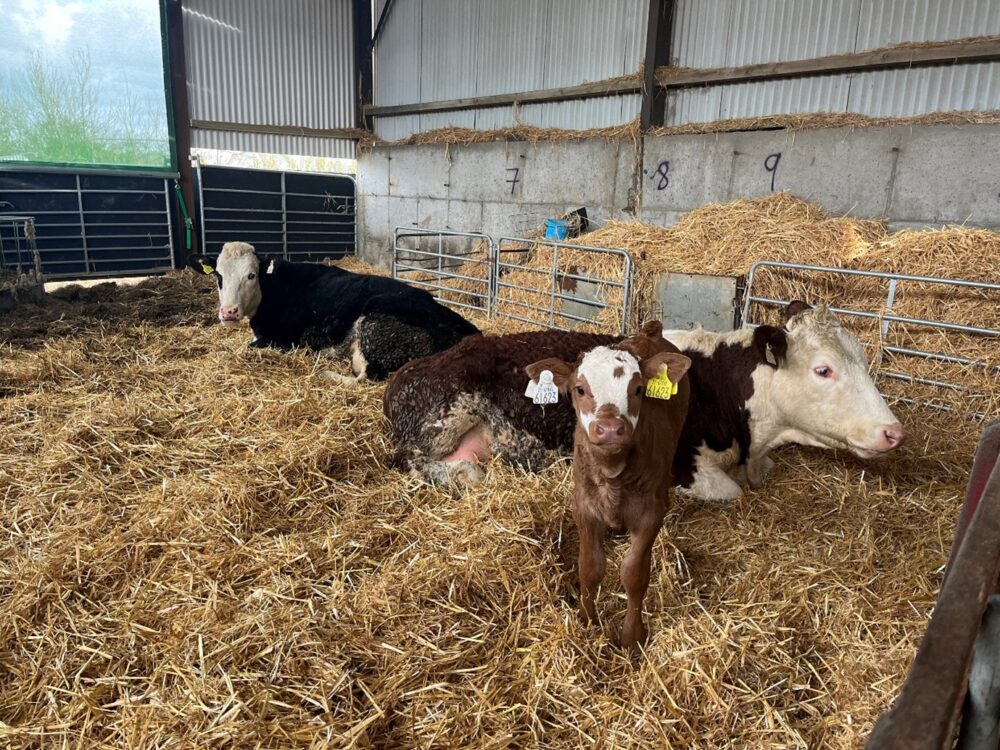
Figure 2: Two heifers that calved at 24 months without any assistance
The breeding season will start around 10th May and Olivia will be selecting AI bulls in the next month for this, although she expects that there will be little change to the bulls used this year as she is very happy with the calves to date. The 2 Friesian bulls were vasectomised in mid-March to ensure they are ready for May.
The lambing season is also finished and all lambs and ewes are at grass full time on the out farm in Kilcash.
Olivia decided to vaccinate all her breeding cattle and sheep against bluetongue this year. It’s a viral disease affecting cattle and sheep, but it does not affect humans and poses no food safety risk.
It can be transferred 3 different ways:
The risk period is from April–November when temperatures >12–15°C allow virus replication in midges.
Symptoms include:
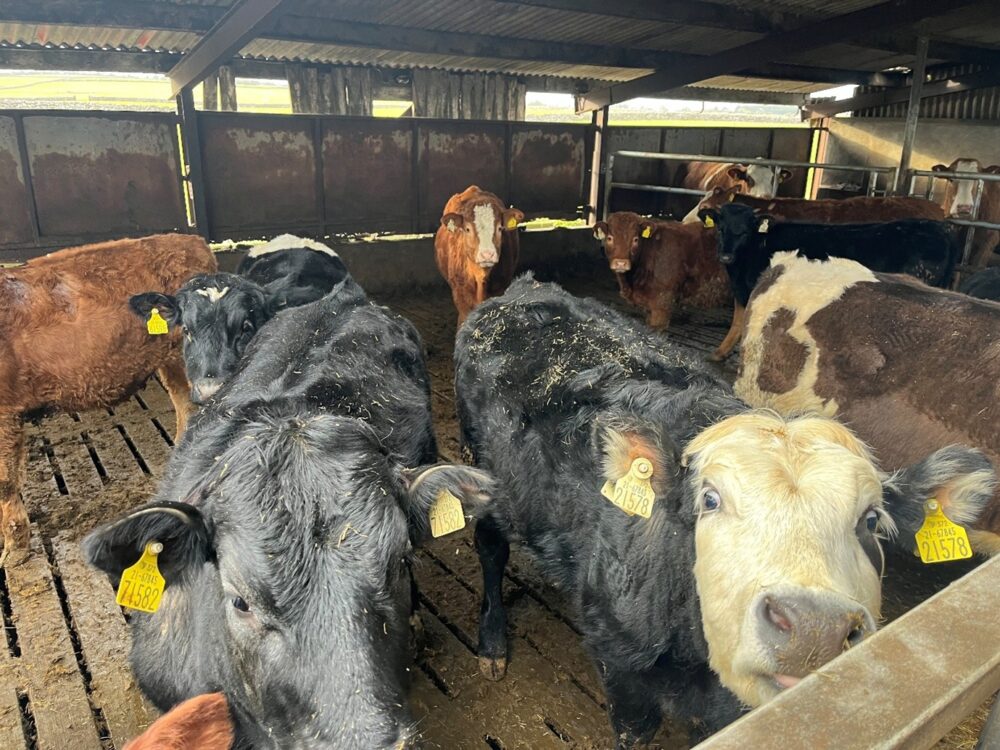
Figure 3: Breeding heifers that are due their second shot of vaccine against bluetongue
The highest priority for vaccination are breeding stock, i.e. cows, breeding heifers, ewes and rams. The program for cattle is: 2 doses, 3 weeks apart and immunity develops ~3 weeks after second dose. It should be done at least 6 weeks before the breeding season or risk period, and can be given to stock that are already in calf. Each shot will cost €4-4.50 per animal, albeit that sheep only require one shot for protection.
Olivia gave the first shot to the breeding cattle in mid March and the booster shot is due in early April so they will be protected before the breeding season starts in May.
The stock demand for grass is high on Olivia’s farm in spring with the calved cows and ewes and lambs. All her silage ground has been grazed off and she has spread 2500-3000 gallons of slurry/acre on it, followed by approximately 50 units of protected urea/acre.
The grazing ground is being fertilised with 1.5 bags of 18-6-12/acre, mainly in Kilcash as the P indexes are lower there. The grazing ground on the home farm has been spread with 0.7 bag of 46% protected urea/acre (32 units/acre).
The latest grass wedge on 11th March showed a farm cover of 352 kg DM/ha. The covers on the home farm are high at 757 kg DM/ha on average as that grass was built up in autumn to feed to calved cows in spring. However they are grazing it quickly due to wet weather. The lower covers are where the sheep are grazing on the outfarm and Olivia is providing them with silage there.
The stock demand is currently at 17 kg DM/ha/day and this will increase as silage ground is closed. However the predicted grass growth for the midlands in early April is over 25 kg DM/ha/day so with fertiliser out and increasing daylight hours, this should help grass to grow on Olivia’s farm. In the meantime she can continue to feed silage at grass to help slow stock down and provide dry matter in their diets.
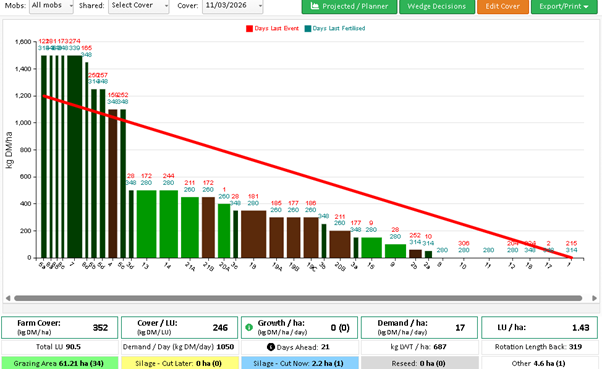
Figure 4: Grass wedge on 11th March 2026