Media
- Shane participated in the Future Beef clover webinar
- He discussed red and white clover on his farm
- Watch back below
34 dairy calves were bought in at €350/head on average from 2 farms. Normally Shane would vaccinate them against respiratory diseases but has not so far and has had no issues. There has also been no scour in the calves, although one farm had their cows vaccinated with Rotavec Corona pre-calving so that likely helped.
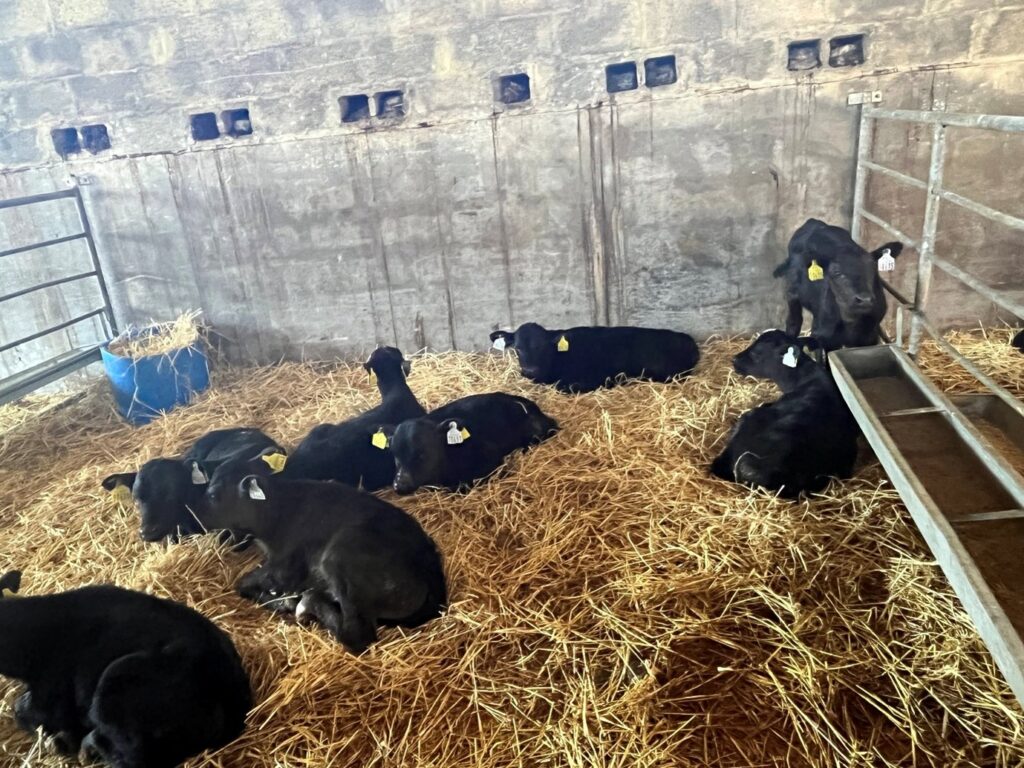
Figure 1: Some of the dairy beef calves
Shane has started the process of transitioning them across to once -a-day feeding of milk replacer to reduce labour. This can be done when a calf is over 28 days of age, is healthy and is eating ration.
To do this, Shane is following these steps:
He will then start weaning them gradually down to 500g of milk powder and 2.5 litres of water after one week, and then down to 400g of milk powder and 2 litres a week later and so forth. Shane also feeds silage to the calves before turnout and they will be eating approx. 2kg of ration/head/day.
The CBV value is a tool available for farmers to predict the potential profitability of the animal. The CBV measures the potential the animal has for carcase weight, carcase conformation, carcase fat, feed intake and docility (all based on the breeding indexes of its parents). Put simply, cattle that have a high CBV will, on average, be faster growing, better shaped at slaughter, leaner and will not eat as much per kg live weight gained. This year’s calves have an average CBV value of €150 (3 stars) with 0.85kg for carcass weight, 0.26 for carcass conformation, -1.85 days on age at finish, -0.02 for feed intake and 0.08 for docility.
Shane weighed the 2025 born bulls on 6th May. The suckler bulls (15) averaged 599kg and ranged from 530 to 684kg. Seven of the younger bulls were weighed on 13th April and they gained 1.53 kg/day since then.
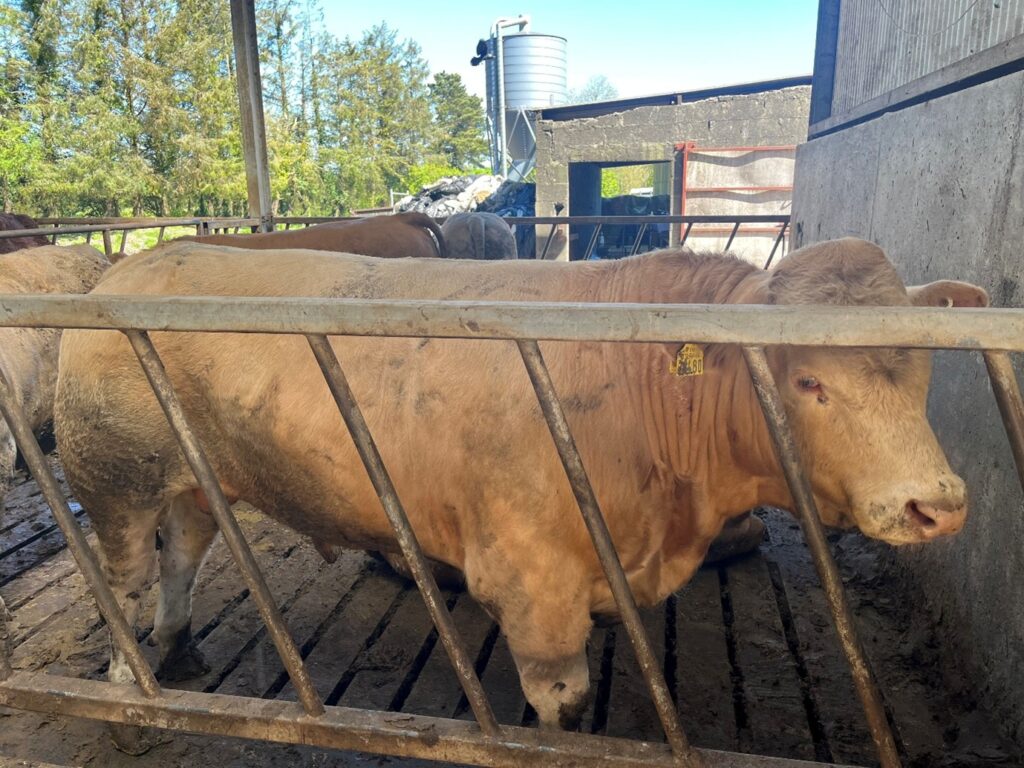
Figure 2: Bull #480 was 610kg on 6th May 2026, DOB 18th February 2025
The dairy beef bulls (5) averaged 421kg and gained 1.48 kg/day since the previous weighing. Although they are all managed the same, the suckler bulls have a lifetime average daily gain of 1.29 kg/day since birth while the dairy beef bulls are at 0.89 kg/day.
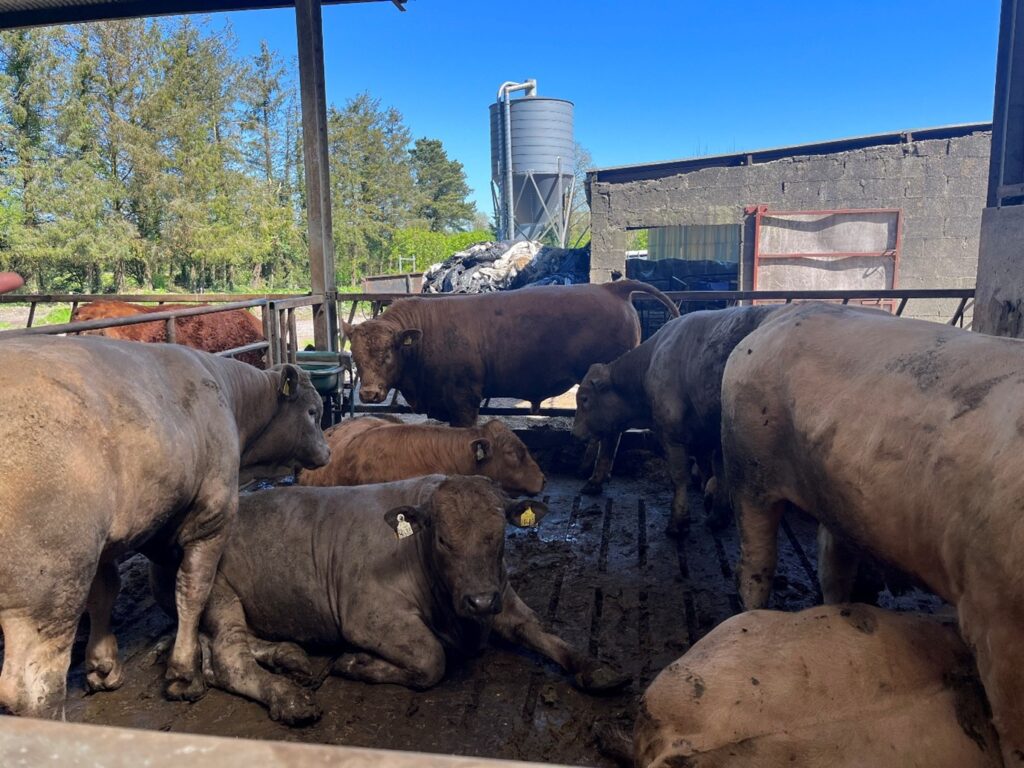
Figure 3: All the bulls are now moved onto slats from the straw bedded shed
They are being fed 8-9 kg of ration/head/day along with top quality silage through the diet feeder. Since the cows have gone to grass full time, they have all moved across to the slatted shed from the straw bedded shed.