


Breeding
The ICBF Beef Calving Report provides an overview of Wesley’s herd’s calving performance for the spring 2026. The report compares herd performance with national averages and top-performing suckler herds, allowing strengths to be identified while highlighting areas where improvements could increase herd efficiency and profitability.
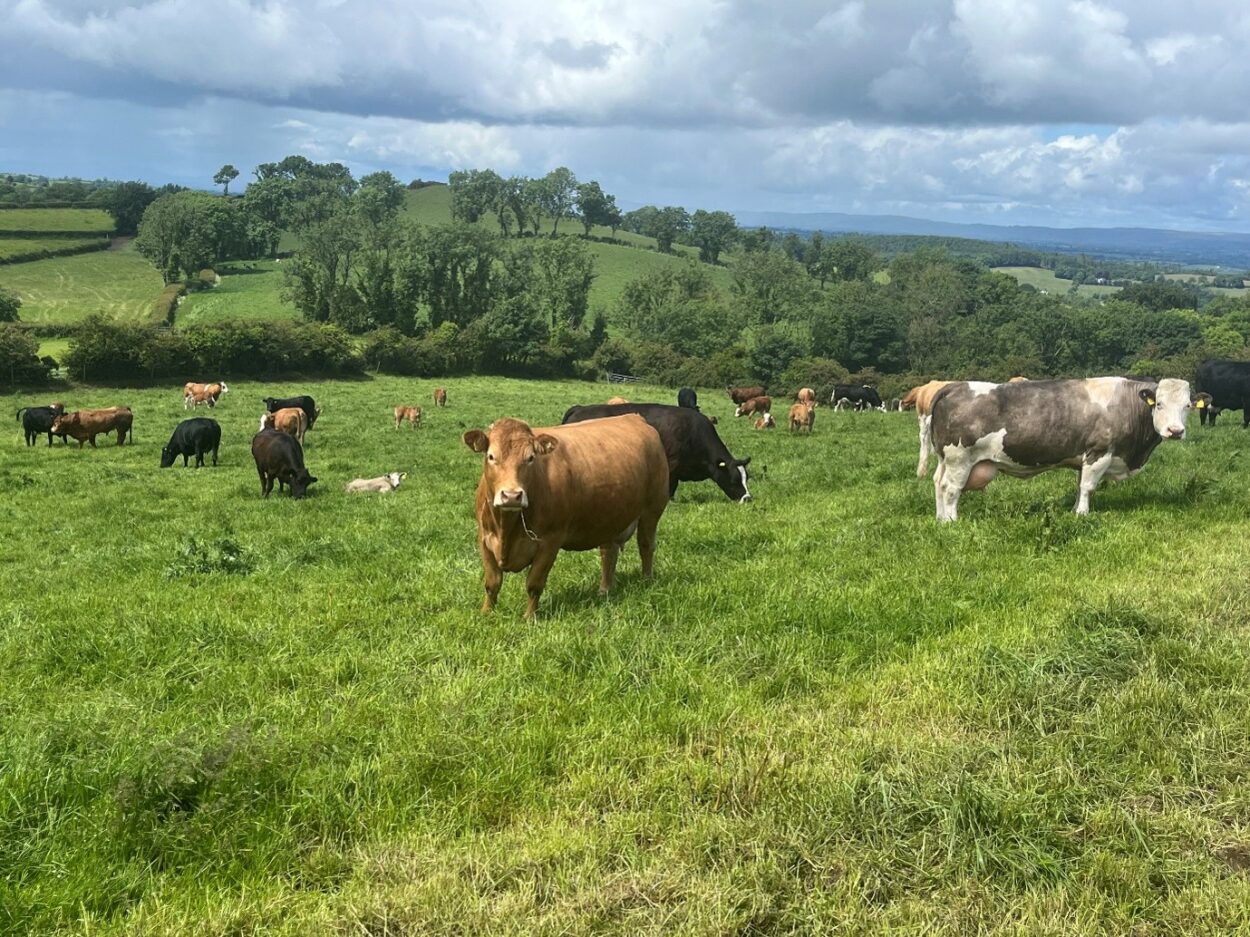
Figure 1: Some of this year’s calved cows
Calving started on 12th February and finished on 14th June, lasting just over 17 weeks with 16 heifers and 67 cows calving down. Wesley recorded a calving interval of 358 days, compared to a national average of 400 days. A shorter calving interval improves the number of calves produced over a cow’s lifetime and increases overall herd productivity. The long-term target remains as close as possible to 365 days. This result indicates excellent reproductive performance. Where required, attention should be given to identifying cows with consistently extended calving intervals, reviewing body condition at breeding, breeding management and considering culling cows with poor reproductive performance.
The herd achieved 1.01 calves per cow per year, compared to the national average of 0.85. This key performance indicator reflects both reproductive performance and calf survival. Where this figure falls below target, improvements in breeding management, fertility, calf health and cow nutrition should help increase the number of calves successfully weaned per cow. Wesley’s biggest challenge this year was with big calves coming from heifers that were bred to the Angus bull so he decided not to use that bull this year.
The report recorded a stillbirth rate of 0% and a 28-day calf mortality rate of 2.4%. These figures reflect Wesley’s focus on good calving supervision, hygiene, prompt navel treatment and ensuring adequate, high-quality colostrum intake within the first few hours of life.
The percentage of replacement heifers calving between 22 and 26 months of age was 88% with only 2 heifers falling outside of this range. Calving heifers at approximately two years of age reduces replacement costs while maximising lifetime productivity, provided they achieve appropriate target weights before breeding. Nationally, this figure is only 19% for beef heifers.
Other key performance indicators from the report include:
- Six-week calving rate: 73%
- Females not calved during the reporting period: 1
- Births with a recorded sire: 100%
- Calving survey completion: 100%
Overall, Wesley has demonstrated strengths in fertility, hygiene at calving and attention to detail at calving, while opportunities remain to improve the weights of heifers at breeding and reducing their calving ease. Late calvers could also be culled to tighten the calving spread. Continued focus on fertility, achieving a compact calving season, reducing calf losses and breeding replacements to calve at two years of age will further improve herd efficiency and profitability.
This year Wesley is using two Limousin bulls, one Saler and one Simmental bull for the breeding season. The Saler bull is running with the heifers. At a heifer calving difficulty of 4.9% at 52% reliability he should be easy calving even though the reliability is low. Wesley has picked well grown heifers to mate with him. He also has no copies of myostatin mutations. He also has a good daughter milk figure of 6kg, -2.31 days on daughter calving interval and a carcass weight of 14.7kg.
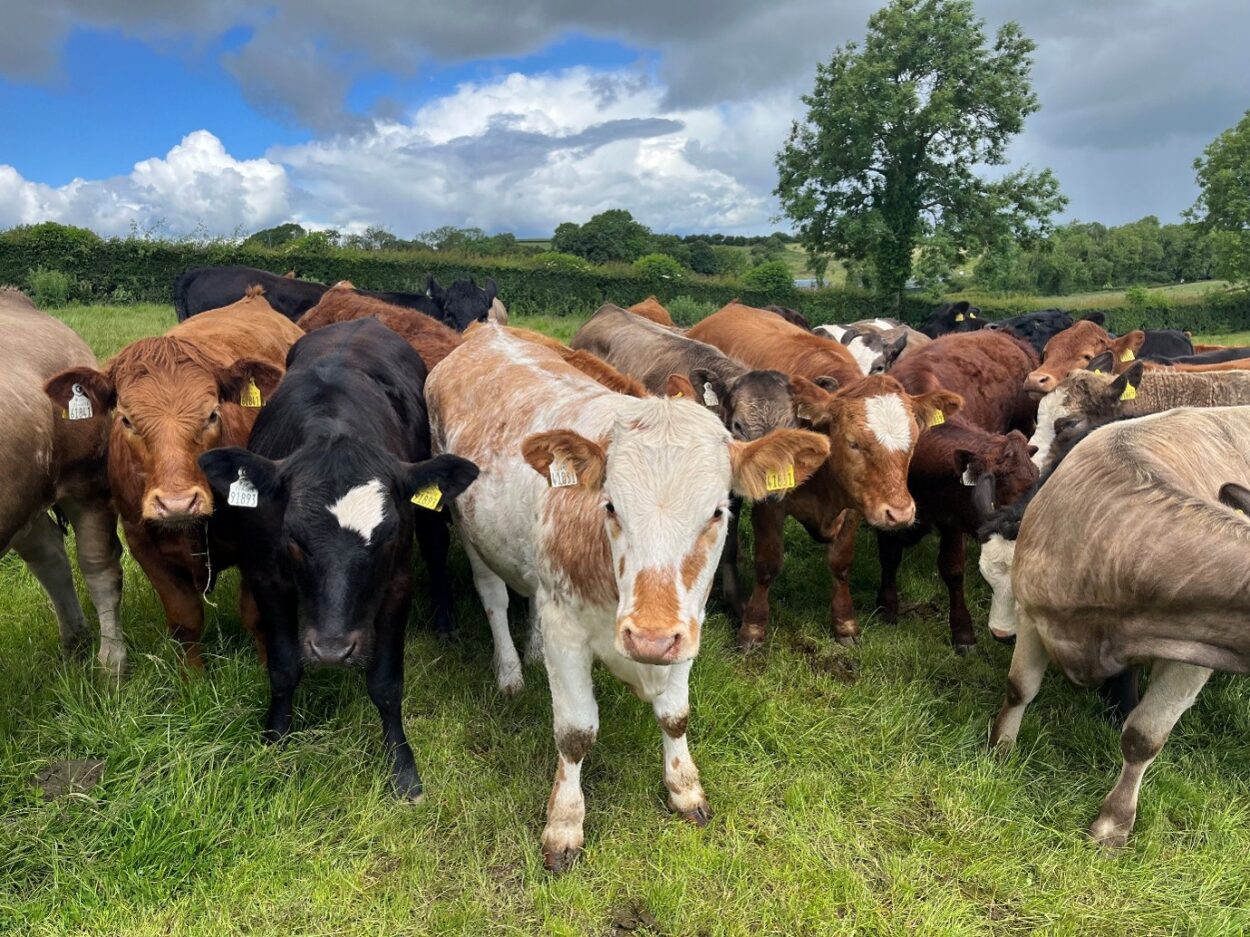
Figure 2: This year’s breeding heifers
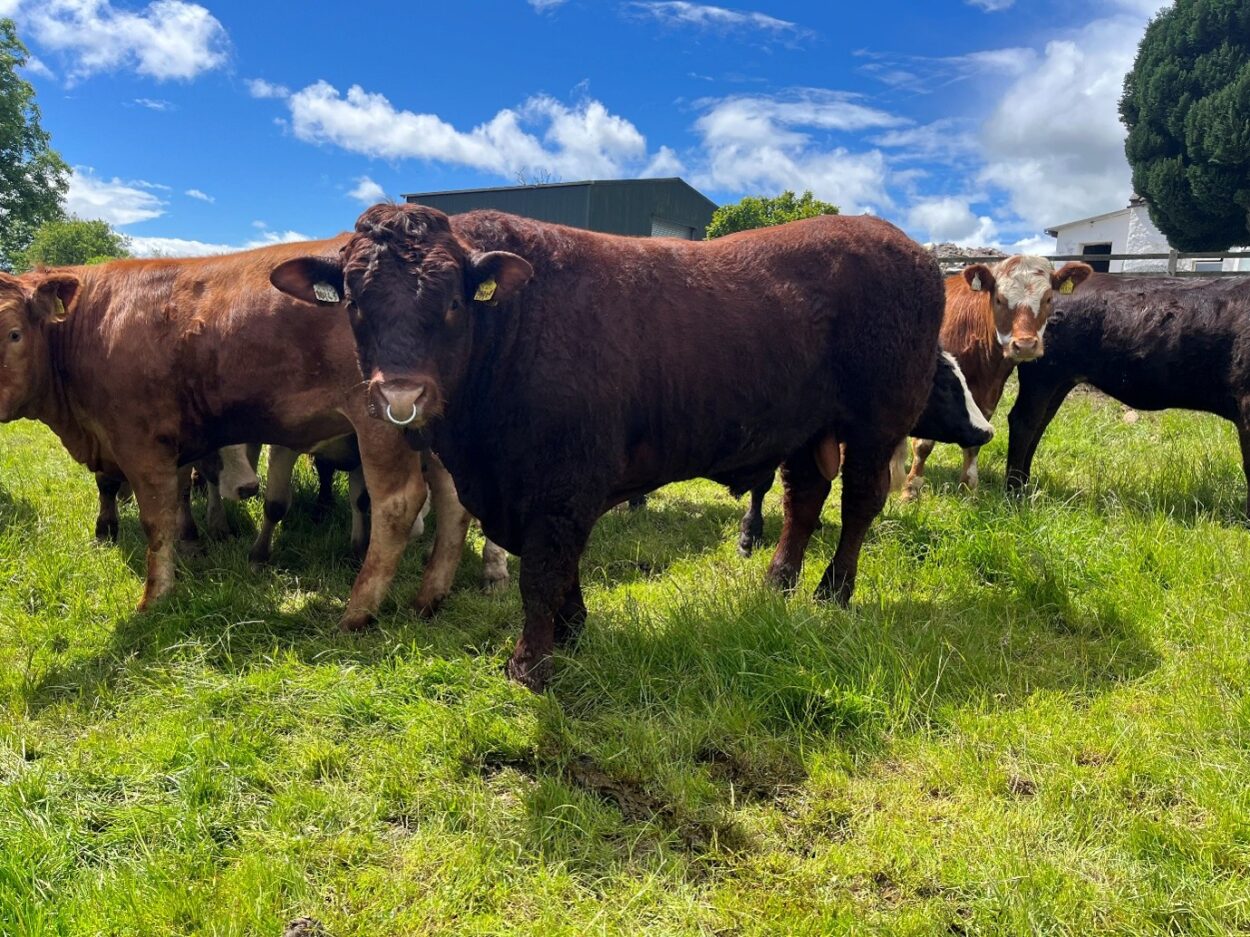
Figure 3: The new Saler bull
For terminal stock, the smaller Limousin bull has 2 copies of the F94L myostatin mutation which means he will produce double muscled calves but with minimal extra difficulty at calving. The stronger Limousin bull is running with cows that have no Q204x or NT821DEL11 myostatin mutations to help avoid any issues with calving difficulty. He has 1 copy of the F94L myostatin and 1 copy of the Q204x myostatin which could cause difficulty at calving.
The remainder of the cows are running with the Simmental bull who has high maternal figures with the aim of producing replacement heifers from him. He has no myostatin mutations and is 11.1kg PTA for daughter milk, 0.93 days for daughter calving interval, 31.1kg for carcass weight and has a cow calving difficulty figure of 5.3% at 91% reliability.
Performance
Three heifers were sold to the factory on 28th May. They averaged 360kg carcass weight at 25 months of age, graded U=3= and averaged €2457/head. Another in-calf heifer was sold on 2nd June at 24.8 months of age due to a twisted gut.
Twenty of the 2025 born bulls were weighed on 2nd June. They averaged 660kg and averaged 1.2 kg/day since 18th April. However 2 of the bulls averaged 0.27 kg/day and 0.04kg/day during that time so when they were removed, the average daily gain for the other 16 bulls was 1.33 kg/day.
Wesley started selling the finished bulls to the factory in June and the first 16 averaged 15.8 months of age. Carcass weights and grades are pending and will be included in the next update.
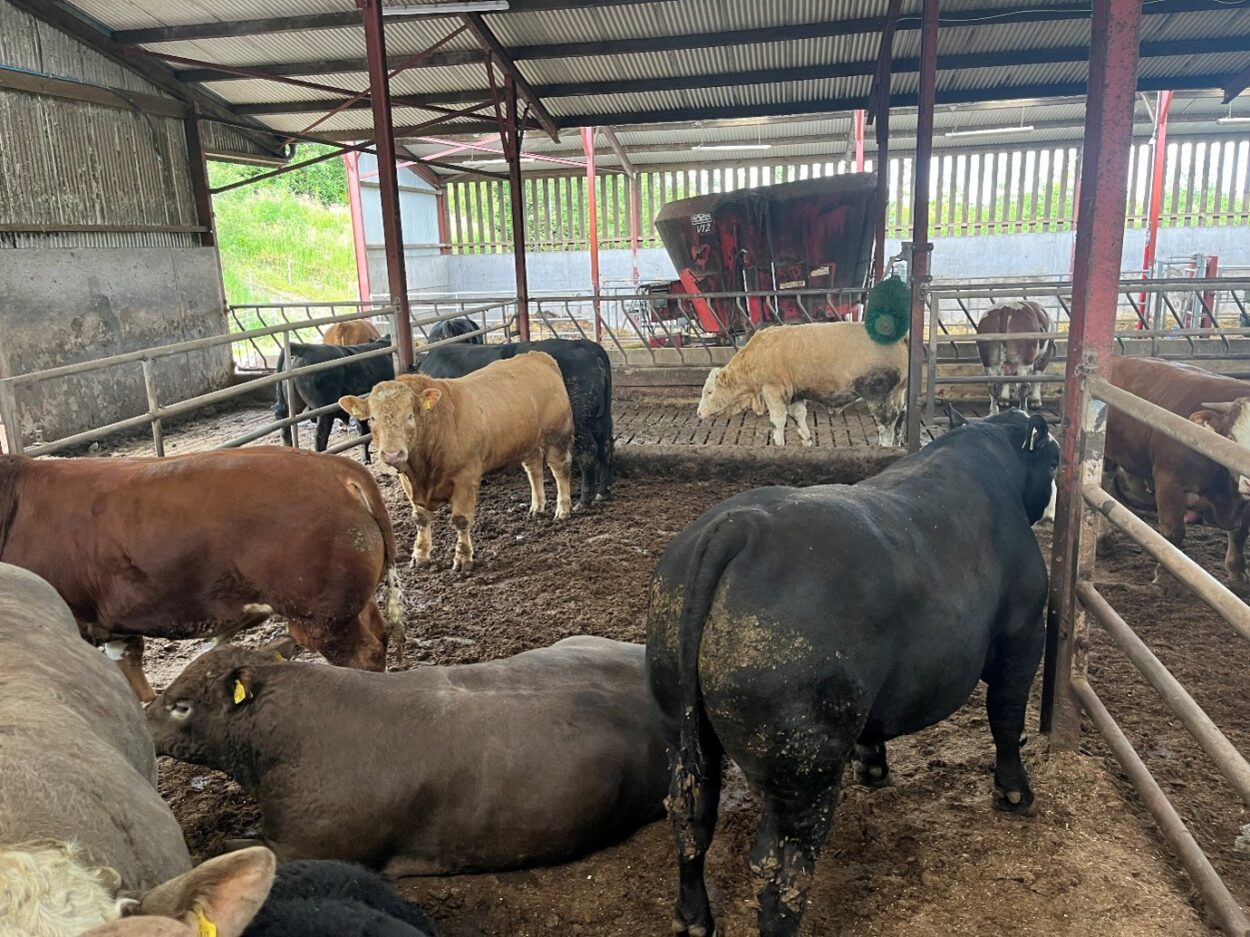
Figure 4: Some of the finishing bulls that were sold recently