Our Organisation Search Quick Links
Toggle: Topics

Kingston Family July/August Update

    Calving

    • 30% of herd calved to date – 60% calved by first week in September, the reaming to calve by late October
    • 100% autumn calving, spring of 2026 was the last of the spring calving herd
    • Paddocks dusted daily with Cal-mag to prevent grass tetany in freshly calved cows
    View

    Reseeding

    • 5 acres sown four weeks ago, this will receive ½ bag of Pro Urea/acre next week
    • This is also due for a post emergence in two to three weeks
    • There was an additional 6 acres sprayed of a week ago – this will be ploughed, leveled and sown early September
    View

    Grazing and Fodder

    • The farm is due to get a final application of ½ bag of pro urea in the next round before the closing date in mid-September
    • Grass availability is good – reseeded ground sown a few weeks back is due back in rotation soon
    • Fodder reserves are on target for the winter, there is the option to offload cull cows early in the winter to reduce fodder demand
    View

Calving

The farm is transitioning to a fully autumn-calving system. No spring calving cows were bred this year. To date, approximately 30% of the herd has calved, with 60% expected to have calved by erly September. The remaining cows are expected to calve by late October.

Cows are calving outdoors, with the Kingston’s a mobile calving camera that can be moved between paddocks where cows are calving. This allows calving cows to be monitored closely while allowing them to remain outside.

Spring 2026 marked the final spring-calving period for the herd, meaning the farm will now operate on a 100% autumn-calving system. This change should help streamline workload and make labour requirements more manageable in the future.

With cows calving and grazing at this time of year, attention is also being given to mineral supplementation. Paddocks are dusted daily with Cal Mag to help reduce the risk of grass tetany. Cows also have access to minerals through mineral buckets while grazing.
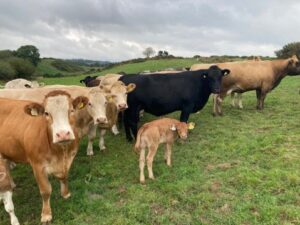
Figure 1 2026 Calf with cows


Reseeding

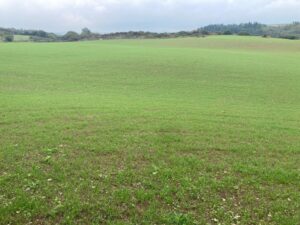
Reseeding work is progressing well, with 11 acres being targeted this season. Five acres were sown approximately four weeks ago and has established well despite the dry weather conditions. This field will receive ½ bag of Pro Urea per acre next week, followed by a post-emergence spray of Pro Clova in two to three weeks to control weeds.

A further six acres was sprayed off recently in preparation for reseeding. This 6-acre field will be ploughed and levelled before being sown in early September.

This year, additional water troughs have also been installed across the grazing platform. This will improve grazing management and make moving stock between allocations more efficient. The aim is to operate a three-day grazing period per block of allocation, allowing better control of grassland management.

The reseeding programme is focused on establishing productive swards for both silage and grazing while improving infrastructure and grazing management.

Figure 2 2026 Reseed sown 4 weeks ago

Grazing and Fodder

Grass growth and availability on the farm are currently good – no additional meal or silage is required. The farm is due to receive a final application of ½ bag of Pro Urea per acre during the next round, ahead of the closing date in mid-September.

The recently reseeded ground, which was sown four weeks ago, is establishing well and is expected to return to the grazing rotation shortly. This additional ground will provide additional grazing area and will be a huge benefit to keep cows and calves at grass until housing. This newly established sward will be of huge benefit to get cows in optimum body condition score ahead of breeding which will start in November.

Fodder reserves for the coming winter are currently on target, giving the farm a good level of security heading into the housing period. There is also flexibility to reduce winter fodder demand by offloading cull cows early in the winter. This could help stretch available fodder supplies and reduce pressure on winter housing and feed requirements.

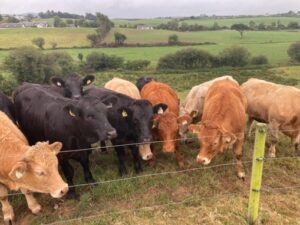
The group of heifers in the photo below are currently being grazed and the Kingston aim to keep them grazing until late October. They received a worn drench of Albex the 15th of August. Some of these heifers will be AI’d with the aim to calve at 24 months – the remainder will be finished out of the shed.

Figure 3 Heifers