Our Organisation Search Quick Links
Toggle: Topics

2026 Finalists – Teagasc/FBD Environmental Sustainability Awards

    Thomas and Peter O’Hanrahan

    Co. Kilkenny | Dairy Calf to Beef Farmers

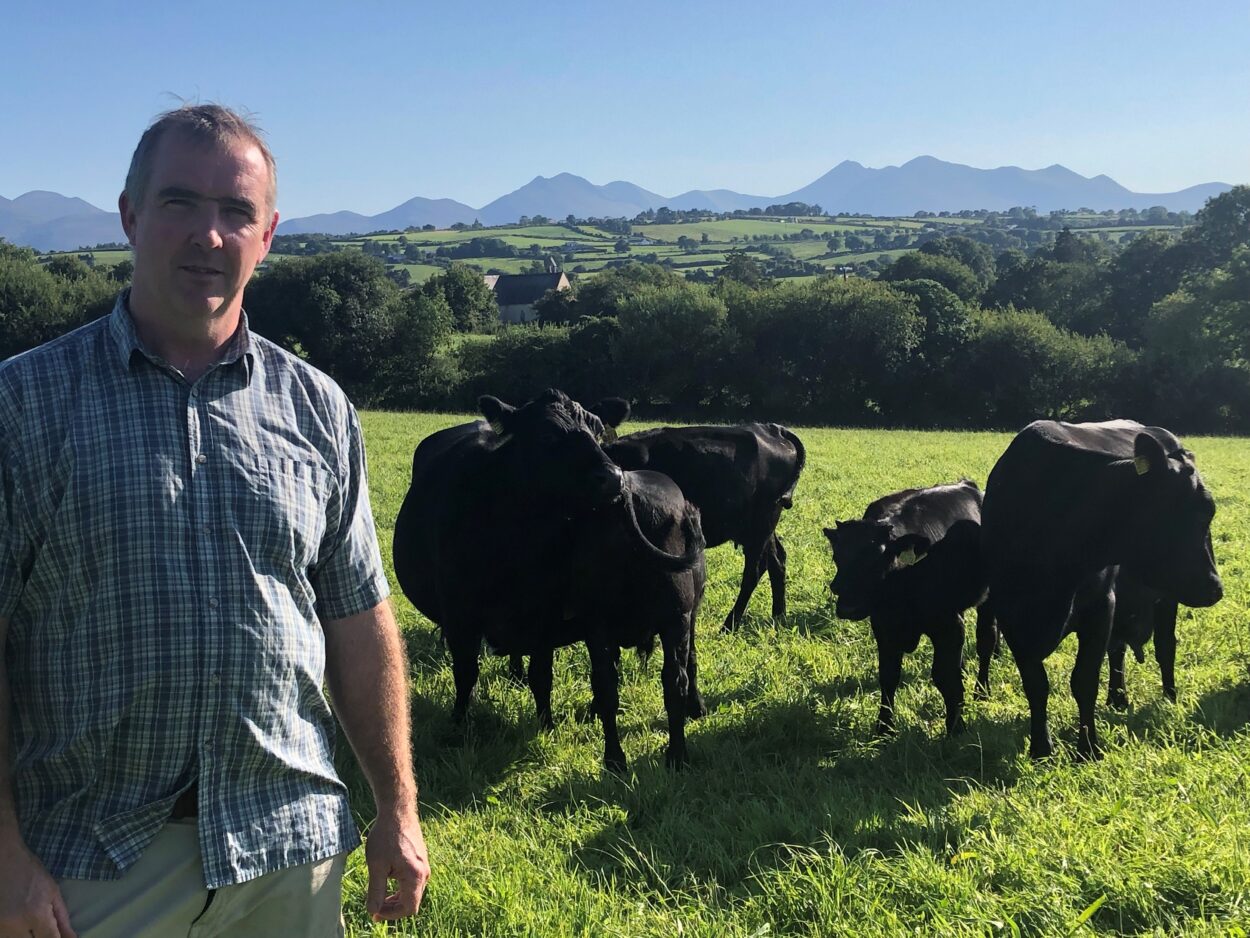
    Thomas and Peter are farming 95 ha (including 5ha of forestry), operating a dairy beef system.  They purchase approximately 200 calves annually from local dairy farmers using CBV to select the best genetics.  They finish all cattle on-farm, currently at 23–25 months, with a target of under 24 months. Peter and Thomas have increased the use of protected urea, incorporated red clover into 5.85ha for high-protein silage and reduced chemical N use. A low-emission slurry tanker and GPS fertiliser system improve nutrient efficiency and reduce losses and overlap. Regular soil sampling, lime applications and targeted P and K help to improve soil fertility, while new slurry storage allows nutrients to be applied in suitable conditions.

    Biodiversity has been enhanced through 700m of new hedgerow, 20 native trees, rotational hedge cutting and retained mature trees and habitat areas. ACRES includes 4.95ha arable and 3.85ha grassland riparian buffers.

    They are DairyBeef500 demo farmers as well as Signpost and ACRES participants. Future plans include further reducing slaughter age, increasing clover, planting trees, rainwater harvesting and installing solar PV.

    View

    John McSweeney

    Co. Cork | Suckler Farmer

    John is farming 28 ha (including 4ha of spring barley), with a 25-cow spring-calving suckler herd, finishing all progeny. Males are finished under 16 months and heifers at 21–22 months. He is using high-genetic-merit bulls, good grassland management and high-quality silage to achieve strong liveweight gains and younger slaughter ages. His 2025 calving interval was 361 days and weanling gain 1.19 kg/day.

    Using a Nutrient Management Plan, John has reduced chemical N from 4,360 kg in 2023 to 2,400 kg in 2025, using protected urea and LESS slurry spreading. John has been improving soil pH through annual lime applications, with 41 tonnes applied in 2025. P and K fertility is good, with 81% of the farm at P Index 3/4 and 86% at K Index 3/4.

    Through ACRES and the Water EIP, he has planted 360m of hedgerow, 10 trees, established a 0.97ha riparian buffer and 335m of additional buffer strips, and introduced catch crops. He plans to further improve genetics, soil fertility and feed quality while reducing emissions.

    View

    Maurice Deasy

    Co. Tipperary | Tillage Farmer

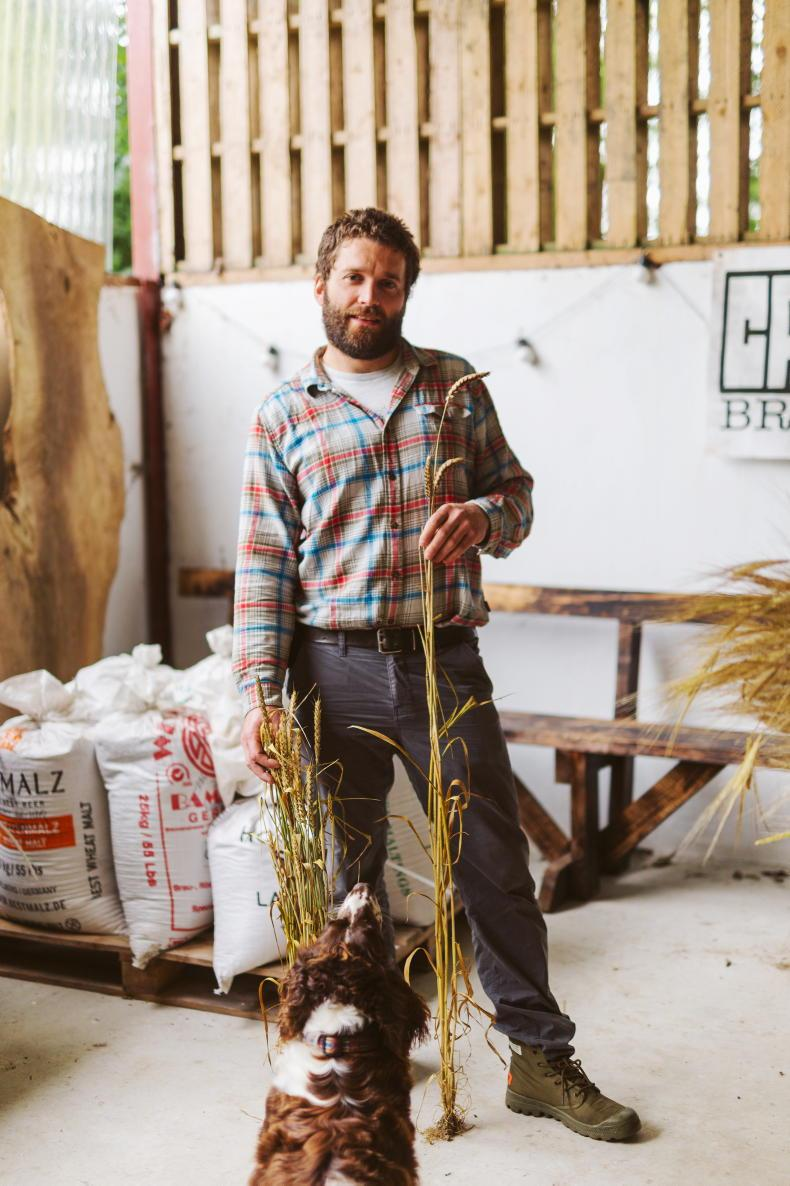
    Maurice has moved from intensive malting barley production to conservation agriculture, with the goal of regenerative farming and agroecology. They use 100% cover crops before spring crops, increased crop rotation to include beans, peas, oilseed rape, oats, wheat and rye, and are reducing cultivation towards no-till. Organic manures, legumes and multi-species swards improve soil health while reducing fertiliser requirements. He has reduced chemical inputs, including insecticides and fungicides, and use GPS technology to improve application efficiency.

    Biodiversity has been enhanced through a new pond, additional native and fruit trees, flowering crops, three hives of native Irish black bees, heritage crop production and continued avoidance of insecticides. Water quality is supported through cover crops, improved soil structure and reduced cultivation.

    They have diversified through Canvas Brewery, producing single-source beer using farm-grown ingredients and renewable energy from woodland, solar and micro-hydro. A flour mill is also being developed. They participate in ACRES, Farming for Nature, Talamh Beo EIP and other sustainability initiatives, with plans to expand biochar, organic manures, intercropping and no-till.

    View

    Philip O'Leary and Aileen Sheehan

    Co. Cork | Dairy Farmers

    This 89 ha, grass-based spring-calving dairy farm milks 140 cows, with a strong focus on maximising pasture utilisation. Over 90% of the farm now incorporates clover, including white and red clover, alongside multispecies swards, reducing reliance on chemical nitrogen. In 2025, 63% of fertiliser N was protected urea, while slurry is applied using LESS/GPS. Annual soil testing and development of a nutrient management plan using NMP Online as well as targeted lime applications and organic manure have improved soil fertility, with 84% of the farm now at optimum pH.

    AgNav carbon footprint is 0.81 in 2025, while milk solids was 497kg/cow.

    Biodiversity measures include over 2,000 trees planted, 280 m of new hedgerow, riparian buffers, a critical source area, orchard, bird and bat boxes, and reduced chemical sprays. A new 400 m³ slurry tank and managed bunded drain improve water quality. Programme participation includes ACRES, EIP, Trees on the Land and Signpost Advisory. Future plans include more grass, improved genetics, increased clover, reduced nitrogen and ration use.

    View

    Matt Hennessy

    Co. Tipperary | Organic Tillage Farmer

    This farm has undergone a major transition to a fully organic tillage system, converting in 2021 and achieving full organic status in 2023. Organic dairy production ceased in 2024, with 2025 the first full year producing organic winter and spring oats and winter barley.

    The system has eliminated chemical fertiliser and pesticides, using red clover, cover crops, multispecies swards, organic manures and straw incorporation to build fertility and soil carbon. Reduced soil disturbance, low ground-pressure machinery and regular soil testing further support soil health. Matt uses the VESS assessment tool to assess soil health on the farm.

    Biodiversity has been enhanced through ACRES, a three-year hedgerow cutting and plans for agroforestry. Cover crops, buffer zones and the absence of synthetic inputs help protect water quality. The farm also participates in the Farming for Water Catch Crop EIP and Signpost Advisory Programme.

    Future plans include reintroducing organic cattle, establishing 20 acres of agroforestry, expanding multispecies swards and growing intercrops to create a more circular, resilient farming system.

    View

    Michael Gleeson

    Co. Kerry | Suckler Farmer

    Michael has farmed organically for many years, embracing sustainable farming despite the challenging peat and gley nature of his land. He operates a 25-cow Kerry suckler herd, with animals finished from grass and home-grown oats used as feed. No chemical fertiliser is used; slurry and farmyard manure are recycled through careful composting, while rushes are utilised for bedding.

    He has planted over 800 metres of hedgerow and, with his family, established 5.6 ha of agroforestry in 2025, including fruit trees to enhance biodiversity.

    Buffer zones and closed periods are strictly observed, while improved roadways and careful grazing management help minimise poaching and protect soils. Solar PV was installed in 2025, further increasing farm self-reliance.

    Michael participates in ACRES and is actively involved in the Kerry breed. His entrepreneurial background includes organic beef, poultry, milk and barley enterprises.

    View

    William Dennehy

    Co. Kerry | Dairy Farmer

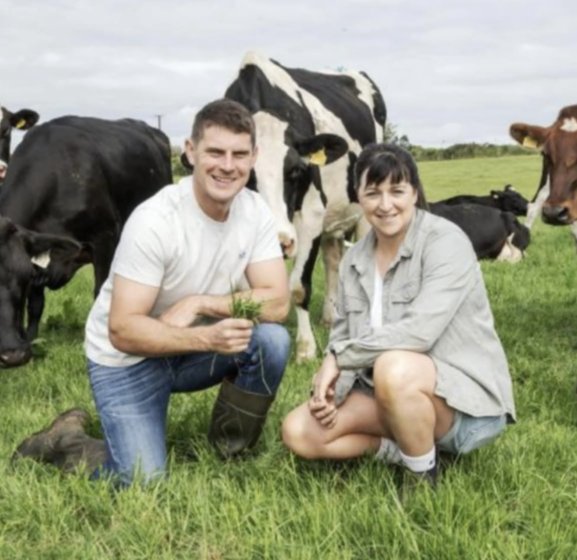
    This high-EBI, compact spring-calving dairy herd in Co. Kerry places a strong emphasis on soil fertility, grass production and reducing farm emissions. In 2025, the farm grew 13.9 t DM/ha, recorded in Pasturebase, from just 157 kg chemical N/ha, with 98% of nitrogen applied as protected urea. This farm had an N Balance of 146 kg/ha in 2025.  Clover is now present across 62% of the grazing platform, helping to reduce reliance on chemical N.  While 4 ha of red clover silage provides high-quality feed. Milk solids production reached 497 kg/cow from just over 700 kg concentrates, with a carbon footprint of 0.94 kg CO₂e/kg FPCM. Herd EBI is €156, supported by targeted breeding and high-DBI beef sires.

    Biodiversity and water quality measures include 500m of new hedgerow, native trees, river and drain buffer zones, and careful management of livestock near the Brown Flesk River. William has made good use of clover to reduce chemical N use.  A reedbed installed in 2024 treats greywater. Soil fertility is monitored through regular testing, lime applications and precision slurry/fertiliser spreading. Solar PV and a battery system were installed, reducing electricity imports by around 30%.
    View

    Aonghusa Fahy

    Co. Galway | Suckler Farmer

    This 59 ha suckler farm, split between Co. Galway and Co. Clare, runs 30 cows and finishes all progeny, alongside 18 purchased stores. Herd efficiency has improved, with calving interval reduced from 382 days in 2023 to 367 days in 2025, mortality at 0% and 0.96 calves per cow per year. All heifers calve at 22–26 months, while 100% AI, heat detection collars and high-genetic-merit sires are improving breeding efficiency.

    Protected urea, LESS slurry application, regular soil testing, lime and high-clover swards reduce fertiliser requirements and support soil health.

    Water quality is protected through fenced waterways, large buffer zones around a Turlough and streams, and excess slurry storage, supported by ASSAP advice.  Hedgerow management has evolved positively over time with an emphasis on allowing hedges to grow up and out.  Aonghusa is engaged in wildlife monitoring initiatives including moth monitoring and demonstrates an interest in wildlife on the farm.

    The farm participates in ACRES, SCEP, Beef Quest and the Teagasc Future Beef/Signpost programme. The farmer also hosts farm walks, welcomes international visitors, contributes to farming media and actively promotes sustainable Irish agriculture.

    View

    Patrick and Kayleigh Durkin

    Co. Kildare | Dairy Farmers

    Glendara Farm is a third-generation, pasture-based dairy enterprise milking 171 cows across 101 ha. A strong focus on grass, clover, soil fertility and data-driven management has increased efficiency, with 13.8 t DM/ha grown in 2025 and 467 kg milk solids / cow.

    Clover is present on 25–30% of the grazing platform, while herd EBI is €157 and all heifers calve between 22–26 months.  The farm’s carbon footprint is 0.86 kg CO₂e/kg FPCM.

    Soil fertility has improved significantly, with 100% of soils now at optimum pH and 54% optimal for pH, P and K.

    The farm supports biodiversity through good hedgerow management, 300+ trees planted, protected waterways, riparian buffers and retained field margins.  They are actively involved in biodiversity initiatives and actively seek opportunities to support habitat enhancement. PIP maps have helped Durkins to identify the risk to water quality on their farm.  Water quality measures include Farming for Water EIP actions, nutrient management, LESS, targeted critical source area management, rainwater separation and reduced nitrogen surplus. The farm participates in the Signpost Advisory Programme, Farming for Water EIP, ASSAP, SDAS and Tirlán sustainability initiatives.

    View

    Alan McCann

    Co. Dublin | Horticulture Farmer

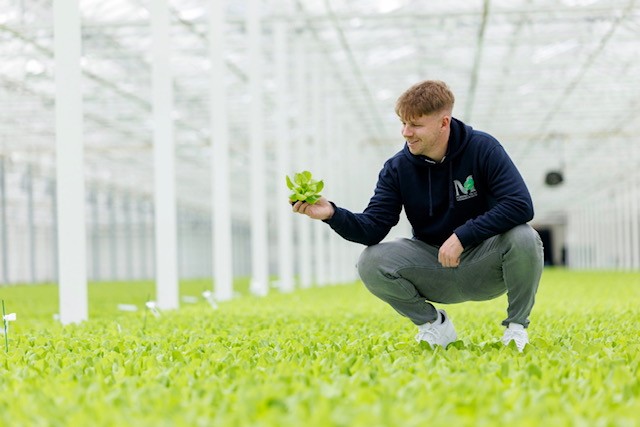
    Morning Fresh is a fourth-generation family horticultural business producing over 5 million heads of lettuce annually across 8.6 ha of fully protected greenhouses, including a 1.7 ha hydroponic facility.  Its product mix includes lettuce and Pak Choi, including their Living Lettuce products. Since 2022, their hydroponic investment has improved resource efficiency, productivity and product diversification. The integration of thermal screening, structural insulation, and data-driven climate control has resulted in reduced total energy consumption and a reduction of 46 grams of CO₂ per head of lettuce produced.

    Water is managed through rainwater harvesting, precision irrigation and a closed-loop hydroponic system, using 90% less water than traditional field production and eliminating nutrient discharge.

    Biodiversity is supported through grass margins, hedgerows, tree lines and a 3.5-acre permanent grassland area.  The business participates in Bord Bia, GlobalGAP and Tesco Nurture programmes, with plans to expand hydroponics and increase renewable energy use.

    View