
A practical guide on preventing farmyard pollution – new factsheet available
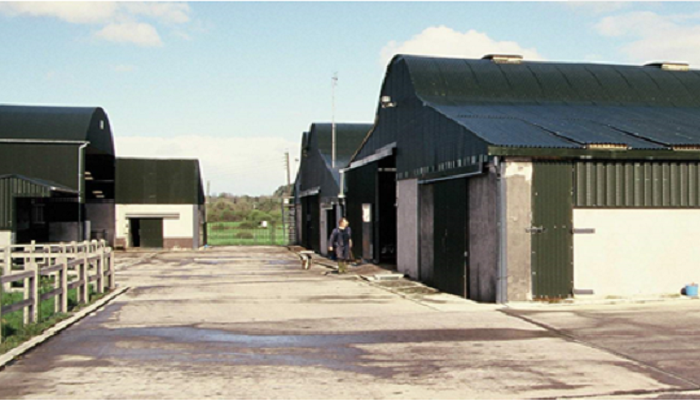
Farmers can avail of a new factsheet produced by the Teagasc Better Farming for Water Campaign to help prevent farmyard pollution and protect water quality.
The latest National Agricultural Inspection Programme (NAIP) Summary Report highlighted that 43% of all farms inspected in 2025 were found to be non-compliant with the Good Agricultural Practice (GAP) Regulations.
Within this data, the three main areas for non-compliance included: mixing of clean and soil water, resulting is discharges to drains and ditches; poor management of silage pits, silage effluent or farmyard manure resulting in discharges to water; and runoff from manure storage areas and inadequate storage capacity.
The factsheet ‘Non-Compliance With Good Agriculture Practice: = Big Impacts on Water Quality’ provides expert advice on farmyard management to prevent water quality issues arising, focusing on the potential pollution sources and pathways.
‘A leaking drain or pipe, silage effluent escaping from silage pit or soiled water runoff entering a stream can have a greater impact on water quality than nutrient losses from several hectares of land. Identifying and addressing these point sources is often one of the quickest and most effective actions a farmer can take to protect water quality,’ the factsheet states.
Through the factsheet, farmers are also encouraged to complete a water quality health check in their farmyard. Advice is also offered on minimising and managing soiled water and the importance of ensuring silage effluent is managed effectively.
The factsheet also includes a National Agricultural Inspection Programme checklist, focusing on the key questions and areas farmers should prioritise to prevent water quality issues arising in their farmyards.
More from Teagasc Daily: Five tips to protect water quality this September