
Avoiding setbacks in calf performance at weaning
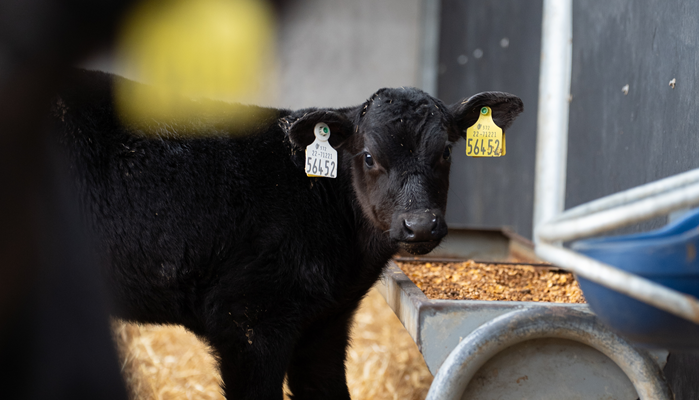
With early-born dairy-beef calves approaching weaning, DairyBeef 500 Advisor, Fergal Maguire shares tips and advice to prevent setbacks in performance.
Weaning is one of the most important stages in calf rearing; if it’s not handled properly, it can knock calves back in terms of growth and health. The aim is to move calves from milk onto solid feed without any setback in performance. Too often, weaning is based on age alone, but what really matters is whether the calf’s rumen is properly developed and ready to take over digestion.
Calves that are on higher levels of milk or milk replacer will generally eat less concentrate, which can delay rumen development. Because of this, the most reliable way of deciding if a calf is ready to wean is by looking at how much meal they are eating.
Concentrate input
While age and weight are useful guides, concentrate intake is the key driver. As a rule of thumb, each calf should be eating at least 1 kg of concentrate per day. To be confident that all calves in a group are ready, the group average should be around 1.5 kg per head for a few days. In most cases, calves will be between 9 and 12 weeks of age and around 85 kg liveweight before they are ready to wean, and calves younger than eight weeks should not be weaned.
Weaning: a gradual process
Weaning should always be done gradually over a period of 7 to 10 days rather than stopping milk abruptly. Cutting back milk slowly encourages calves to increase their meal intake, reduces stress and helps maintain weight gain through the transition.
A simple approach is to reduce milk volume over a number of days, then move to once-a-day feeding before stopping milk altogether. Where calves are already eating sufficient meal, this gradual step down works well and avoids any growth check.
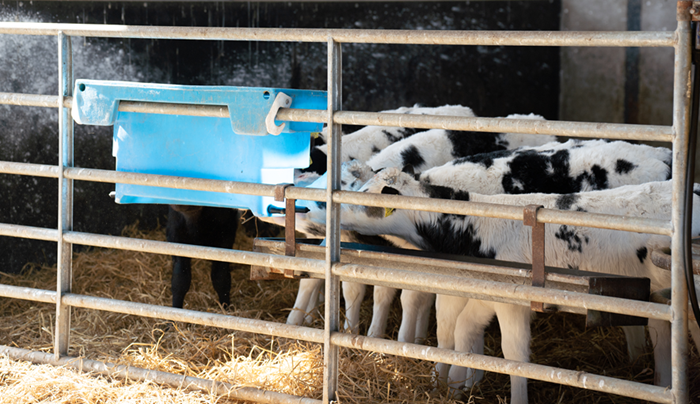
Management
Good management around the weaning period is just as important as the feeding strategy. Only healthy calves should be weaned. If there are any signs of illness, it is better to delay. Avoid carrying out stressful tasks such as disbudding, castration or vaccination at the same time.
Consistency is key, so housing, grouping and feeding routines should remain unchanged. Calves should always have access to fresh water, concentrate and roughage such as straw, and they should be monitored closely for at least a week after weaning to ensure they continue to perform.
Where possible, weighing calves before and after weaning can help to confirm that growth is being maintained.
Post-weaning management
After weaning, it is important to keep meal intake high to support continued growth. Calves should have ad-lib access to concentrate and good quality roughage. Grass or silage can be introduced gradually, but it is important that calves continue to consume enough concentrate during this period. Grouping calves by size can also help reduce competition and keep performance even across the group.
Charlie Smyth’s approach
DairyBeef 500 farmer, Charlie Smyth buys in approximately 100 calves each year and will not take them any younger than three weeks of age. He finds that calves of that age are generally past the highest risk period for scour and are easier to manage.
Most of his calves are sourced directly from dairy farms, which he believes plays a big role in keeping health issues to a minimum.
On arrival, calves are fed twice daily and always have access to fresh straw and concentrate. Once calves in a group are eating around 1.5 kg of meal per head, he begins the weaning process by moving to once-a-day feeding and gradually reducing the milk over the course of a week.
At that stage, calves are already consuming plenty of meal, so he does not see any drop in performance.
After weaning, calves remain on ad-lib concentrate for a number of weeks and by the time they are turned out to grass they are eating close to 3 kg of meal per day. This ensures the rumen is well developed and capable of handling good quality grass.
For more tips and advice on calf rearing, visit the DairyBeef 500 webpage here.
More from Teagasc Daily: New Dairy Calf-to-Beef Manual Launched
More from Teagasc Daily: Grazing management to achieve dairy-beef cattle growth targets