

Edited By
Pearse Kelly
Head of Drystock Knowledge Transfer
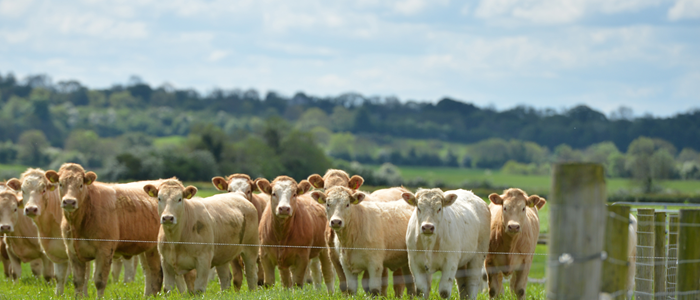
Sharing key advice on dealing with a fodder shortage, managing dairy-bred calves and keeping your replacement heifers thriving, Head of Drystock Knowledge Transfer at Teagasc, Pearse Kelly provides management notes for the month of September.
Grassland Management
The priority on all farms now should be to build grass covers during September. The aim is to create a bank of grass for the autumn and extend the grazing season through October and November, for as long as ground conditions allow.
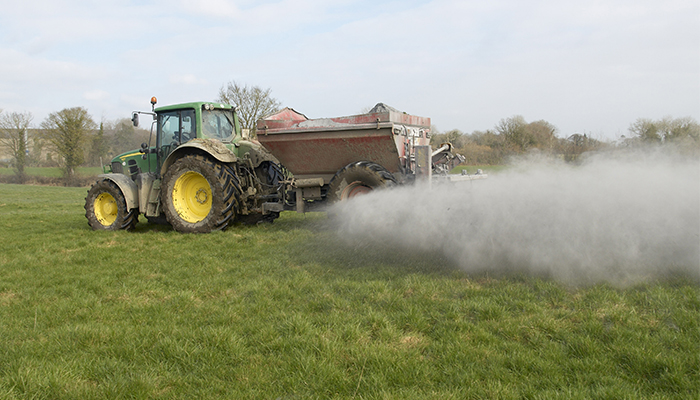
Any planned nitrogen (N) or phosphorus (P) fertiliser applications must be completed by 15 September.
Following the recent rainfall, additional nitrogen is also likely to be released from the soil, particularly on farms where drought conditions severely restricted grass growth in recent months.
Where grass covers are very low, it may be necessary to house some stock temporarily to allow the grazing platform to recover. Cattle intended for finishing over the winter should be the first considered for housing.
Soil Fertility
This autumn may also provide an opportunity to improve soil fertility. Although N and P cannot be spread after 15 September, this deadline does not apply to lime or potassium (K).
Low soil pH and low K levels are among the most common soil-fertility issues on beef farms. Correcting these deficiencies can significantly increase future grass production while also improving nitrogen-use efficiency and reducing fertiliser requirements.
Where soil test results indicate a need, investing in lime or muriate of potash makes sense in any year- particularly when ground conditions are suitable for spreading.
Dealing with a Fodder Shortage
Drought conditions and restricted grass growth over recent weeks has seen some farms use significant quantities of conserved forage. There may not be enough time or growth this autumn to replace all of the forage already fed, leaving some farms facing a winter fodder shortage.
If you expect to be short of feed, make a plan now. Waiting until supplies are running low will leave you with fewer – and potentially more expensive – options.
The first step is to complete a realistic fodder budget. Allow for the possibility of a late spring in 2027 and establish the likely size of any deficit. Once you know how much feed you are short, you can identify the most suitable options for your farm.
- Suckler cows: Wean calves as soon as they are ready, if this has not already been done. Feed can be restricted for mature cows in good body condition, but first-calvers and thinner cows should not be restricted. Pregnancy scan the herd and consider selling empty cows while prices are high. Depending on body condition, dry spring-calving cows can be fed a diet based on silage and straw. Where suitable straw is available, offering it on alternate days instead of silage can work well. Monitor body condition regularly and remove any cows that begin to lose excessive condition.
- Finishing cattle: Cattle originally intended to be finished on silage and concentrates could be moved to a higher-concentrate diet, reducing the amount of silage required. An ad-lib concentrate diet with a minimum level of roughage may also be an option. However, the transition must be carefully managed to avoid serious digestive upsets. Speak to your advisor or nutritionist before introducing this system.
- Purchasing fodder: If suitable fodder is currently available to buy in your area, consider securing it now. Check its quality, quantity and value, and include transport costs when comparing your options. Purchasing early may provide greater choice and better value than waiting until winter.
Get Your Silage Analysed
As the winter feeding period approaches, now is the time to prepare a feeding plan for each group of stock.
Start by deciding what level of daily liveweight gain you are targeting for weanlings, yearlings, stores and finishing cattle.
The next step is to match concentrate feeding levels to the quality of the silage available. To do this accurately, you need a silage analysis – guessing feed quality can result in cattle being either underfed or fed more concentrates than necessary.
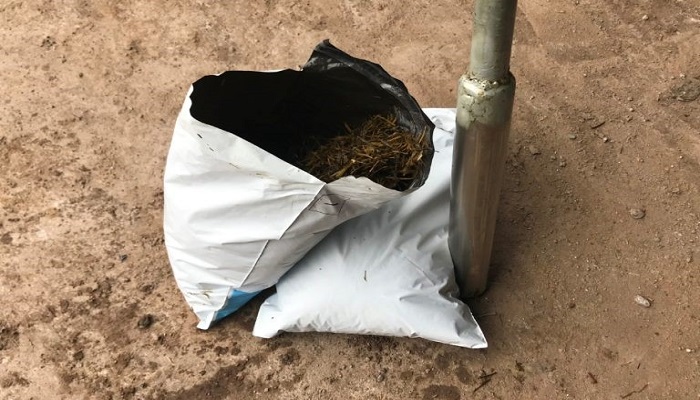
Many laboratories offer competitively priced packages, particularly where three or more samples are submitted. Take a separate sample from each silage type or cut that is likely to differ in quality. Ensure every sample is representative and send it to the laboratory early in the week to avoid delays in transit.
Silage testing should be particularly worthwhile for participants in the newly opened 2026 Beef Welfare Scheme, which closes for applications on 23 September 2026. Eligible suckler farmers who select the forage testing action can receive €25 per eligible calf for up to 45 calves – a maximum payment of €1,125. Once the results are available, use them with your advisor or nutritionist to develop suitable and cost effective winter diets for each class of stock.
Managing Dairy-Bred Calves
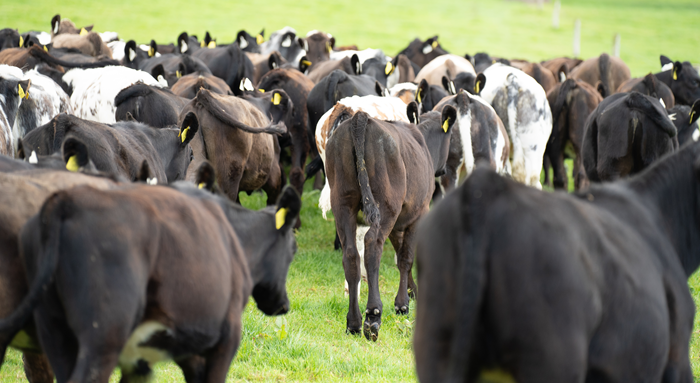
Dairy-bred calves born this spring must be managed carefully over the coming months to keep them thriving and on target.
If you have not yet weighed your calves, do so now. Their weights will provide a useful indication of how well they have performed to date.
Participants in this year’s National Dairy Beef Weighing Scheme must weigh each calf individually, record its weight against its official tag number and submit the information to ICBF by the scheme deadline of 1 November.
Meal feeding
Autumn grass is high in protein but low in energy. Young calves cannot consume enough grass to maintain a daily growth rate of 0.7 kg without supplementary feeding. Where grass is plentiful, feeding 1.5 kg of meal per calf per day should be sufficient.
Calf health
Control of stomach worms and lungworms must continue until housing. You should also speak to your vet about an appropriate pneumonia vaccination programme. The best time to begin vaccinating calves is while they are still at grass.
Although the initial cost of a vaccination programme may appear high, the increased value of these animals makes protecting their health more important than ever.
For more information on managing dairy-bred calf health, visit here.
Keep Replacement Heifers Thriving
Calving replacement heifers at two years of age can significantly improve the profitability of a suckler herd compared with delaying calving until they are three. One of the main reasons farmers miss this target is that their heifers have not reached a suitable weight by the start of the breeding season.
As a general rule, suckler heifers should be at least 60% of their expected mature weight when breeding begins. For most animals, this means reaching between 400 and 420 kg. Dairy-cross heifers may be suitable for breeding at lighter weights.
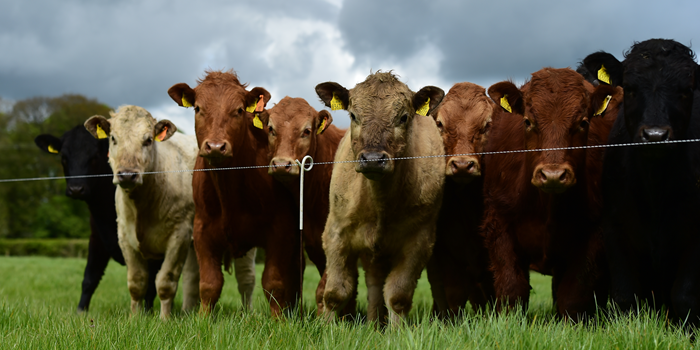
The period from September to the following April is critical for spring-born replacement heifers. They should be managed separately from other stock and given priority access to the best available housing, nutrition and herd-health programme.
Weigh them regularly, monitor their progress and adjust feeding as necessary to keep them on target. For example, a heifer weighing 250 kg now and gaining an average of 0.75 kg per day will reach approximately 420 kg by 15 April.In practice, the heifer may achieve higher growth rates while grazing and make further gains if turned out to high-quality grass early next spring.
Consistent management throughout the autumn and winter will ensure replacement heifers are sufficiently well developed at breeding, without becoming overfat, and give them the best possible chance of calving successfully at two years of age and remaining in the herd for many more years.
For more information on the benefits of calving heifers at two years of age, visit here.
The Beef Edge Podcast
The Beef Edge is Teagasc’s weekly beef podcast for farmers. Presented by Catherine Egan the podcasts will cover the latest news, information and advice to improve your beef farm performance.
Listen in to the latest episodes below:
Demonstration Farm Programmes
The Teagasc Drystock Knowledge Transfer Department run dedicated demonstration farm programmes in the areas of suckler and dairy beef.
For the latest from the Teagasc DairyBeef 500 Programme, view its latest newsletter here.
For the latest from the Teagasc Future Beef Programme, view its latest newsletter here.
To keep up to date with the latest happenings from both programmes, sign up to their frequent e-newsletters here.