
Breeding targets for 2026
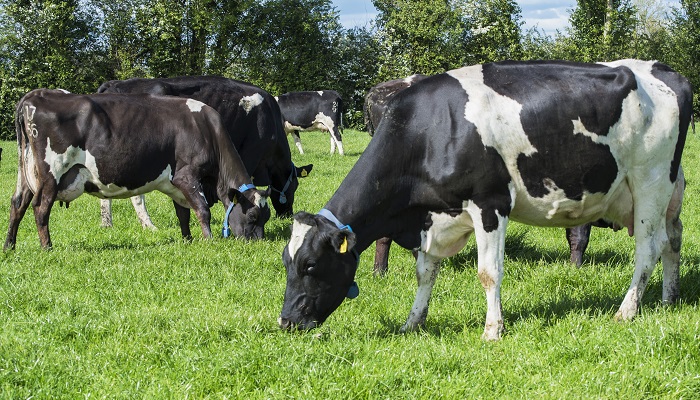
Key breeding targets need to be achieved to ensure days in milk per year and workload are optimised, Teagasc Dairy Specialist, Martina Gormley reminds us of some of the key targets.
The main objective of having breeding targets is to ensure the herd milks for 270+ days per year, tasks are compact and efficient, and farmers have a choice to have a few weeks off from milking.
After the difficult spring, it’s understandable that some farmers have decided to move breeding start date by 1-2 weeks. Also, feedback from many farmers that have already extended mating start date suggests they are very happy with this decision.
The more you extend your mating start date, the better your management needs to be. However, regardless of breeding start date, key breeding targets need to be achieved to ensure days in milk per year and workload are optimised.
What are the main targets
- Number cows served in first 21 days: 90%
- Number cows served in first 42 days: 100%
- Number cows served in first 21 days: 100%
- Conception rate: 60% +
- Heifers at 60% of mature body weight at breeding
- Number of weeks breeding: <12 weeks
- Empty rate: 10% or less
Tracking targets
Monitoring targets is a very important task throughout breeding. For a 100-cow herd to meet the 90% served in 21 days, just over 4 cows per day or 30 per week need to be served, while all the replacements should be served in the first three weeks. If these targets aren’t being achieved, check the number of cows calved more than 30 days and not served. Discuss investigation and treatment with your vet or advisor.
Heat detection
Heat detection is still a very important component of successful breeding. Technologies like collars/boluses etc have reduced time spent observing but there is still some time required to double check times and cows for sexed and conventional AI.
For farms that are using tail paint / scratch cards etc for cows and heifers, the number of observations and time spent per observation matters. Most farmers will observe cows at both milkings, but time spent observing can vary. If observing twice per day for 10 minutes, the percentage of cows observed is 72%; if 20 minutes is spent, 86% of cows are identified.
Table 1: The percentage of bulling cows identified by observations per day and duration of each
| Number of observations per day | Number of minutes spent at each observation | ||
| 5 | 10 | 20 | |
| 1 | 26 | 52 | 63 |
| 2 | 36 | 72 | 86 |
| 3 | 39 | 79 | 95 |
| 4 | 41 | 82 | 98 |
Body condition
Monitoring body condition score (BCS) is extremely important, any cow below target should be put on once a day (OAD) until you are happy with condition. This may only need to be for a short period of time.
Bull power
If using stock bulls after AI, ensuring sufficient bull power is very important in terms of the number of weeks spent breeding and empty rates. If you don’t have enough bull power, you will need to AI for longer.
Table 2 below shows the number of bulls required for a 100-cow herd depending on the number of weeks AI is used on cows and weeks the bull is needed for.
Table 2: Number of mature bulls required per 100 cows and AI breeding period
| Week number | Number of mature bulls required per 100 cows |
| 1-3 | 7 bulls |
| 4-6 | 4 bulls |
| 7-9 | 2 bulls |
| 10-12 | 1 bull |
For most 100 cow herds, 1-2 stock bulls is used which means 7 weeks of AI is required in a 12-week period. Also, this is based on a mature bull, some farms will be using a young bull. AI while the bull is with the cows is another option here to ensure calving pattern length or empty rate don’t suffer. Ask yourself, do you want cows calving in May?
More from Teagasc Daily: A closer look at responses to concentrate feeding at grass
More from Teagasc Daily: Measuring efficiency in the main grass growing season