
Building a hill sheep breeding programme
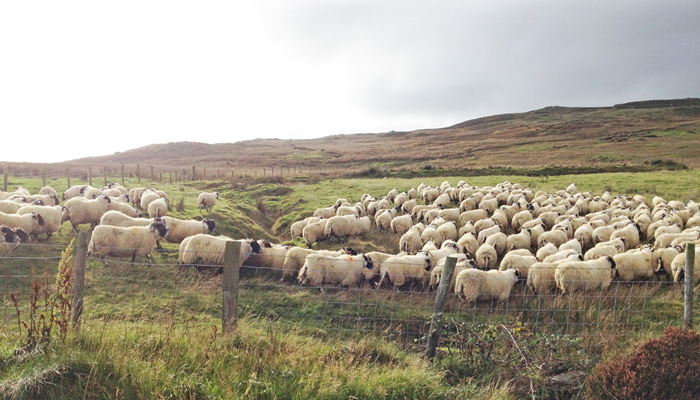
Breeding advances for lowland sheep are delivering substantial returns. A new plan aims to extend those benefits to hill flocks. Nóirín McHugh, Teagasc Research Geneticist, and David Coen, Sheep Ireland Head of Hill Sheep Breed Improvement, tell us more.
Ireland’s hill sheep sector is a cornerstone of rural life, particularly along the western seaboard, where the rugged landscape limits other farm enterprises. These flocks help sustain local economies and play an important role in maintaining the environmental and cultural heritage of Ireland’s upland and marginal regions.
While genetic improvement programmes have already delivered significant productivity gains for the lowland sheep sector, little is known about how similar approaches could benefit hill sheep farming. Sheep Ireland, in conjunction with Teagasc, aims to bridge this gap by developing the tools, knowledge and infrastructure needed to support a dedicated breeding programme for Irish hill sheep.
Why Breeding Matters
Genetics is one of the most powerful tools available to livestock farmers. By helping identify the best animals to breed from, genetics allows farmers to gradually improve the productivity, health and efficiency of their flocks over time. Genetic improvement is estimated to account for more than half of the production gains achieved across livestock industries worldwide.
Unlike advances in feeding or management, which can have an immediate but temporary impact, genetic improvements are permanent. The genes passed from parents to their offspring remain in the flock and can continue delivering benefits for future generations. This means that every breeding decision made today can influence flock performance for years to come.
To help farmers make informed breeding decisions, national genetic indexes have been developed to assess the genetic merit of individual animals. These indexes provide an easy-to-use guide for selecting breeding stock with the characteristics most likely to improve flock performance.
The Sheep Ireland €uro-Star Indexes were introduced in 2009 to support sheep farmers in selecting the best breeding animals. The indexes are designed to identify sheep that are low-cost, easy to manage and possess strong maternal traits, while also producing high-quality lambs that can reach market weight efficiently.
Each animal receives a genetic index based on information collected throughout its life, including traits such as lambing performance and growth rates. The system also takes account of performance information from related animals, such as parents and offspring, helping to build a more complete picture of the animal’s true genetic potential.
Today, the data used to generate these indexes comes from both pedigree breeders and commercial sheep farmers. By combining information from thousands of animals across a wide range of farming systems, the indexes provide a reliable and practical tool to help farmers build more productive, profitable and sustainable flocks. To date, however, the information behind these genetic indexes, coupled with the traits included in the indexes, has focused predominantly on lowland farming systems.
As every hill farmer knows, they operate under very different conditions from those of lowland farming. Flocks are typically managed in extensive, low-input systems, with animals gathered only a few times each year. These unique challenges mean that breeding programmes designed for lowland sheep do not always meet the needs of hill farmers.
Recent research highlights the demand for a more tailored approach for the Irish hill sector. A survey conducted by Sheep Ireland found that almost two-thirds of hill sheep farmers believe the sector receives insufficient support.
The farmers identified access to higher-quality breeding rams and improved flock performance as key priorities for securing the viability of hill farming.
A recent project funded by the Department of Agriculture, Food and the Marine through the Stimulus research call, SustainHill, has been developed specifically to address these challenges.
What the Project Will Deliver
The project will establish the foundations for a genetic improvement programme for Irish hill sheep by:
- Developing a recording system tailored specifically to hill sheep farming.
- Producing practical management reports that help farmers make informed breeding and management decisions.
- Measuring the role genetics plays in important hill sheep traits.
- Expanding the use of genomic technologies within the hill sheep sector.
- Creating economic and environmental assessment models that can measure the financial and carbon value of key traits.
- Designing the most effective structure for a future national hill sheep breeding programme.
Together, these developments will support a breeding objective focused on improving productivity, profitability and sustainability across the hill sector.
It builds on progress already being made through the OviFlock EIP and the Sheep Improvement Scheme genotyped rams task, which are encouraging greater use of genotyping and DNA-backed breeding decisions within the hill sheep sector.
Significant Economic Potential
The potential benefits of genetic improvement in hill sheep farming are substantial. Conservative estimates suggest that if a hill breeding programme can be implemented and can achieve just half of the genetic progress already seen in Ireland’s lowland sheep sector, it could generate an additional €3.12 million in value for the hill sheep industry over ten years.
Supporting Farmers Through Better Information
A key focus of SustainHill is making data collection practical and worthwhile for farmers.
Rather than introducing a rigid recording system, the project will provide farmers with the tools and training needed to collect useful information during normal farm operations. Educational resources will include short instructional videos covering important measurements such as body condition scoring and teeth assessment, alongside practical recording guides.
The information collected will be transformed into easy-to-understand reports that support day-to-day decision-making.
These reports may include information on:
- Ram performance
- Lambing outcomes
- Mating results
- Pregnancy scanning
- Growth rates
- Flock movements
Sheep Ireland’s experience in developing farmer-friendly reporting systems will help ensure that the information generated is both practical and valuable for participating farmers.
Collecting Data in Hill Conditions
Recording data in hill sheep systems presents unique challenges. Unlike lowland flocks, hill sheep may only be gathered a few times each year, making routine measurements more difficult.
To address this, the project will focus on collecting high-quality information from a selected group of participating flocks, with these farmers committing to accurate recording of performance, health and disease information.
The project will work closely with the Teagasc BETTER Farm Hill Programme. These farms, along with additional participating flocks, will form the backbone of the project’s data collection efforts.
Looking Ahead
The SustainHill project represents a major step forward for Ireland’s hill sheep sector. By combining modern genetics, practical farm recording systems and strong industry collaboration, the project aims to deliver a breeding programme specifically designed for the realities of hill farming.
Ultimately, the project will provide hill sheep farmers with the tools needed to breed more productive, profitable and sustainable flocks, helping to secure the future of this vital sector for generations to come.
Farmer Profile – Thomas Staunton
Thomas Staunton farms in Tourmakeady, Co. Mayo, where he runs 100 breeding Lanark Blackface ewes. Around 70% of the flock is bred to Lanark rams, while the other 30% is bred to Bluefaced Leicester rams to produce Mule lambs.
“I feel there is a real benefit to being involved in the SustainHill programme, particularly when it comes to using DNA to accurately assign parentage within the flock,” says Thomas. “For me, having that level of information will make it easier to make sound breeding decisions and to pick out the sheep that are really delivering.
“I have always kept some records on the flock over the years, but by taking part in SustainHill I believe I can make much better use of DNA information to guide breeding decisions into the future.”
Thomas says he sees the programme as a good way of combining the knowledge he already has on his flock with more modern breeding tools.
“In particular, accurate parentage will help me identify which ewe families and ram lines are performing best under my system,” he says.
That should give Thomas greater confidence when selecting replacement females and deciding which breeding lines to carry forward.