
Don’t forget the next generation
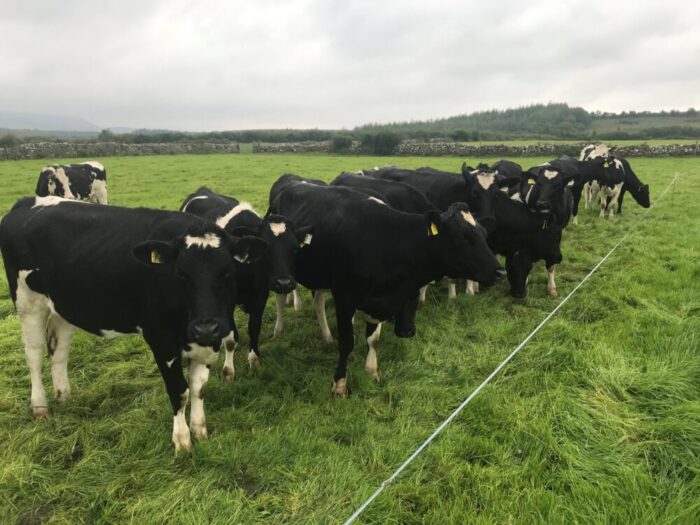
With grass supplies remaining tight on many farms and supplementary feeding having been introduced, Teagasc Dairy Specialist, Stuart Childs discusses the importance of keeping young stock thriving.
Based on Met Eireann soil moisture deficit figures, most of the country is in near drought or drought like conditions. Consequently, there is a significant focus on feeding dairy cows to compensate for the lack of grass.
One of the recommendations is to remove young stock from the platform to free up land for milking cows on the platform and reduce the demand. This advice is correct but what if the out block that you are moving the stock to also has limited grass?
Dairy calves, dairy-beef calves, in calf heifers, 1-2 year old cattle or indeed finishing cattle don’t have the same total intake requirement as milking cows. However, they do need to meet their minimum dry matter intake every day to maintain growth.
The need for additional feeding
There is substantial feeding in grass due to the high dry matter (27% in Moorepark on Friday last). However, stock will still need enough of it.
Given the scarcity of grass, additional feeding may be required for these stock groups now also. As the trend in the weather is looking like the dry spell is to continue further, people need to be conscious of the level of performance being achieved by young stock.
The target weight gain for dairy calves is 0.7kg per day on average, i.e. gaining 21kg per month. Missing this in any month is a setback that if not realised or rectified will have implications further down the line.
It is well proven that both subsequent fertility and milk yield are impacted by failing to meet target weights during the rearing phase. Similarly, beef stock that have reduced daily gain will spend longer on the farm to achieve desired weights or be sold at lower weights with an associated reduction in revenue. While it might not pay well to feed, it certainly won’t pay not to feed!
Ensure that all stock, as well as the milking herd, are well fed and have access to plenty of water during the dry weather.
If time is available, they should be weighed now and then weighed again in a month or 6 weeks’ time to assess performance.
Early identification of any slippage in performance will allow you to react early to correct. The objective should be to have the majority of stock at target weight despite the dry spell and identify any animals that need additional feeding at that stage to get them back on track. In the meantime, make sure they are getting enough to keep growing.
More from Teagasc Daily: Why 10 into seven does go
More from Teagasc Daily: What impact can a spur roadway have on your farm?
More from Teagasc Daily: Why a good milking routine matters