
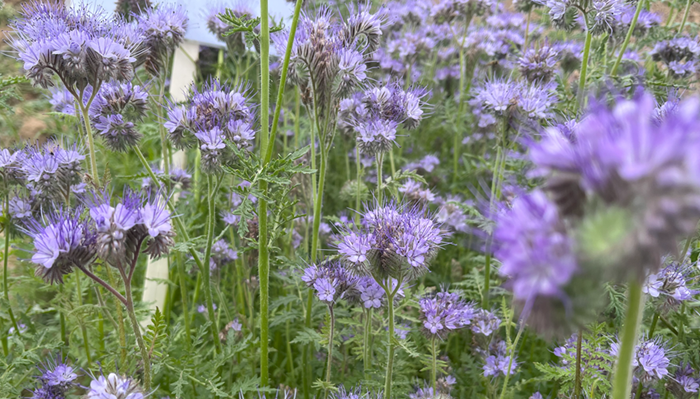
With harvest 2025 commencing at a pace, tillage farmers are being presented with the perfect opportunity to establish catch crops. Here are some of the catch crop options available:
Along with showcasing the latest research on crop choices, crop husbandry and agronomy programmes, the Crops and Technology Open Day held in the Teagasc Crops Research Centre showcased some of the catch crop options available, allowing growers to easily identify each crop’s strengths and growth habits.
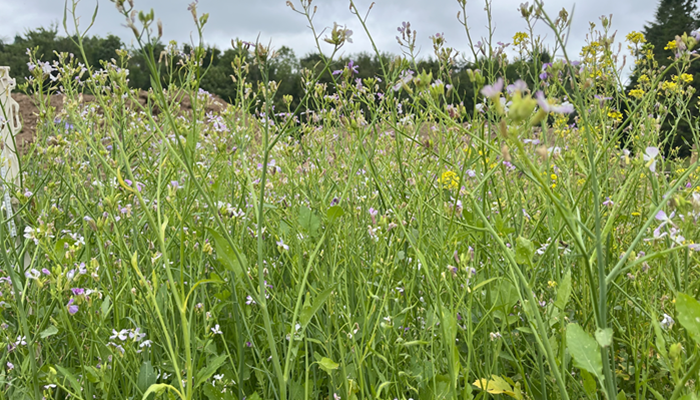
Forage rape
Pictured below, forage rape is a brassica species. Capable of trapping nitrogen, this fast-growing crop features a tap root and is suitable for grazing. However, care is needed as it is not suitable when oilseed rape is grown in the rotation.
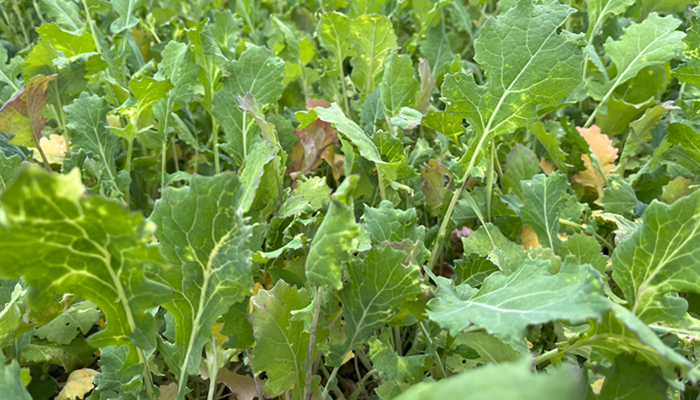
Phacelia
Suitable in rotations with oilseed rape, phacelia is of the species hydrophyllaceae. Featuring a fibrous root system, it’s a fast-growing crop that is capable of capturing nitrogen.
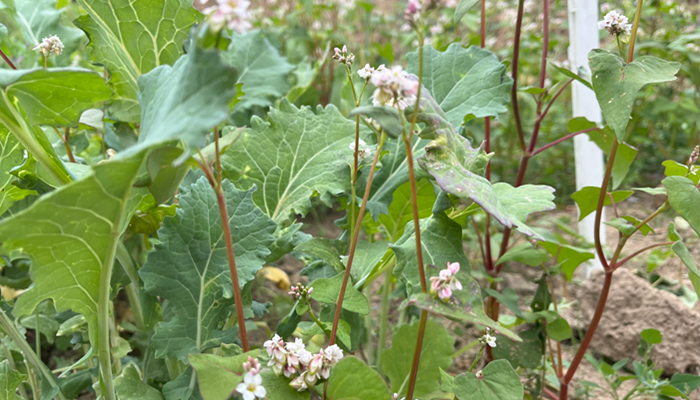
Buckwheat
Another fast-growing catch crop species that will trap nitrogen, buckwheat is of the polygonaceae species. Featuring a fibrous root system, it is a P enabler in high pH soils but has poor frost tolerance.
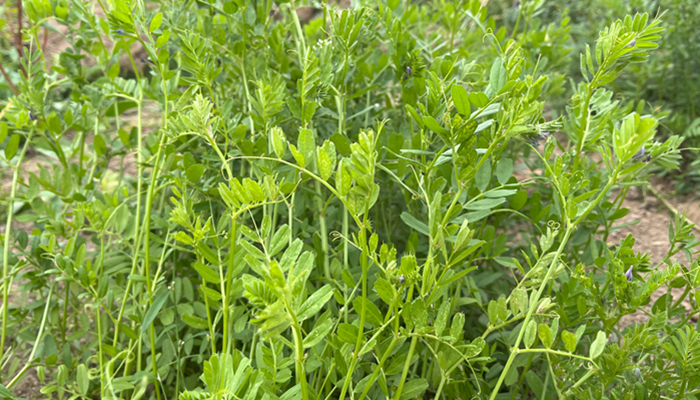
Vetch
A legume species, vetch is a fast-growing crop that will fix nitrogen. Although winter hardy, care is needed if including other legume crops within your rotation.
Tillage radish
Another member of the brassica family, tillage radish features a deep rooting system, is fast growing and will trap nitrogen.
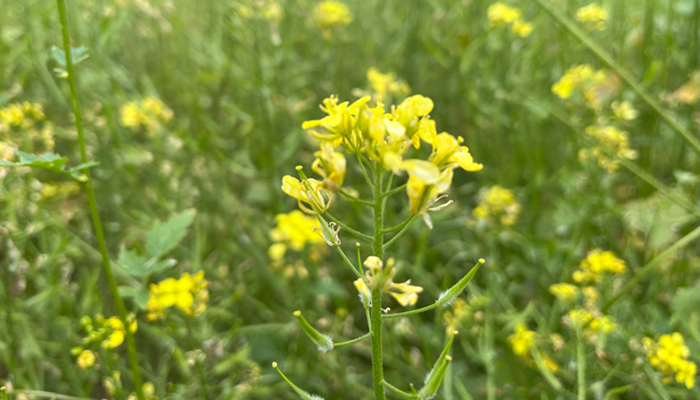
Mustard
Described as a very fast-growing crop, mustard is a brassica species featuring a tap root system. Capable of trapping nitrogen, it is not suitable for inclusion in rotations with oilseed rape.
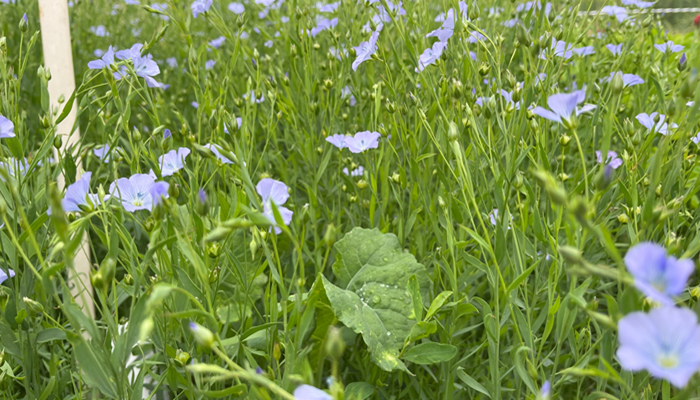
Linseed
A linaceae species, linseed is an easily established species that will trap nitrogen. Featuring a deep fibrous root, and performing well in thin soils, non-frost hardiness is a disadvantage.
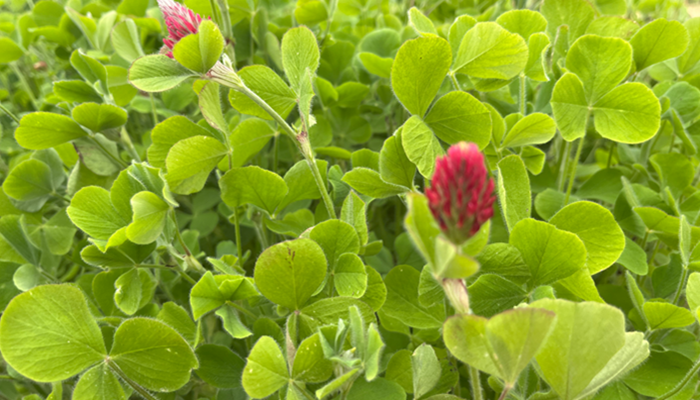
Crimson clover
Another legume capable of fixing nitrogen, crimson clover is fast-growing relative to white clovers, but care is needed when other legume crops form part of your rotation.
Catch crop sowing date
As part of the Tillage Advisory newsletter for July (PDF), Teagasc Tillage Specialist, Ciaran Collins explained the importance of sowing date for cover crops. Read his key message below:
Sowing date of the catch crop is crucial. The more growth that takes place, the more nitrates will be taken up. Large biomass production is vital to maximise the benefits of cover crops, and early sowing is essential to achieve good autumn growth and subsequent large biomass.
Experiments at Teagasc Oak Park to demonstrate the effects of sowing date on biomass production showed that there was a linear reduction in the amount of biomass produced as sowing date is delayed (Figure 1).
Figure 1: Biomass after various cover crop sowing dates
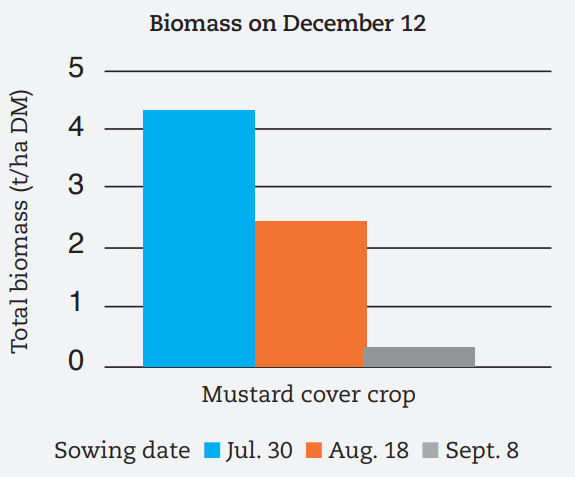
The mustard in the experiment lost 2t DM/ha for each three-week delay in sowing, so the clear message is to plant cover crops as soon as straw is removed to reap the benefits. Other benefits from cover crops include improved soil structure, reduced compaction, increased water infiltration, and reduced risk of soil loss in periods of heavy rainfall.
The vital role of a catch crop
Dr. Bridget Lynch, Teagasc Research Officer, and Dr. Richie Hackett, Crops Research Officer at Teagasc, joined Cathal Somers on the latest podcast version of the Signpost Series to discuss the vital role of catch crops.
Listen in below: