
Inspection non-compliances must reduce to improve water quality – Pat Dillon, Director of Research at Teagasc
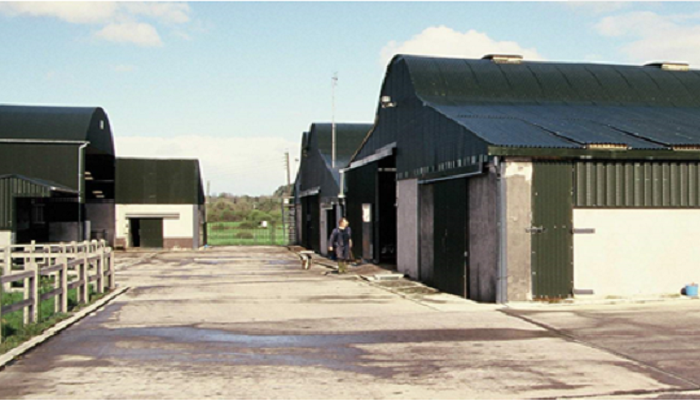
In light of the recently published Environmental Protection Agency (EPA) inspection results for 2025, showing a non-compliance rate of 43% for the initial 4,315 Good Agricultural Practice inspections carried out, Director of Research at Teagasc, Pat Dillon has urged farmers to act now to improve water quality.
The four most common reasons for non-compliance reported by the EPA and identified through the Good Agricultural Practice (GAP) inspections, Pat Dillon noted, were: the control of soiled water; discharges from farmyards; management of farmyard manure; and slurry collection and storage.
“Cumulatively, these issues accounted for 86% of all recorded non-compliances and mostly related to farmyard management.
“If not already aware, I’d urge farmers to familiarise themselves with Teagasc’s Better Farming for Water Campaign and its 8 Actions for Change, through which Action 4 focuses on ensuring sufficient slurry and soiled water storage capacity, while action 5 focuses on managing farmyards and roadways effectively to minimise nutrient losses and protect water quality.”
Commenting further on the results of the EPA inspection report, Pat Dillon noted that non-compliances in relation to soiled water primarily involved inadequate gutters and downpipes, poor separation of clean and soiled water, and soiled water entering drains and ditches. Farmyard discharge issues included inadequate management of silage pits, silage bales stored too close to watercourses and silage effluent discharging to groundwater.
In relation to farmyard manure management, Pat Dillon added, non-compliance issues included runoff from manure storage areas, field storage during the closed period and manure being stored too close to water bodies. Non-compliance associated with slurry collection and storage mainly related to inadequate storage capacity and poor containment measures.
“The results indicate that non-compliance is primarily attributable to management practices rather than structural deficiencies on farms, suggesting that these issues could be addressed without significant capital investment.
“Additionally, the findings show that a significant reduction in non-compliance is necessary to substantially improve water quality,” Pat Dillon said.
For more from Teagasc’s Better Farming for Water Campaign, visit here.
More from Teagasc Daily: Farming for the future in the Blackwater catchment
More from Teagasc Daily: Small actions have big impacts – protecting water quality in June