
Know your soils: The first step towards healthy soils and clean water
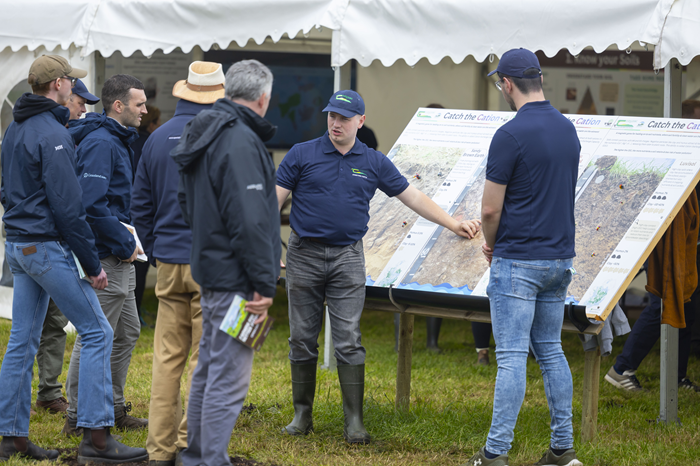
The same practice won't deliver the same results on every field, writes Dr Veronica Nyhan, Soil and Plant Nutrition Specialist, who delves into some of the key take-home messages shared at the recent Farming for a Better Future open day at Teagasc, Johnstown Castle.
The Farming for a Better Future Open Day focused on the link between healthy soils and clean water. Through a series of interactive exhibits and demonstrations, farmers explored practical actions that can help build more resilient, productive and profitable farming systems while reducing environmental risk.
A central feature of the soil health exhibit was the six principles outlined in the Farming for Soil Health book. The first of these principles, ‘Know Your Soils’, highlighted that understanding the soils on your farm is the foundation for making better management decisions.
Irish soils are young and remarkably diverse. More than 200 different soil types occur across the country, and it is common to find several soil types within the same farm, or even within a single field. What works well in one part of the farm may not be the right approach elsewhere. Each soil has its own strengths and vulnerabilities that influence how it should be managed.
Some soil characteristics, such as pH, nutrient status, soil organic matter and compaction, can be improved through management. Others, including soil texture, slope and position in the landscape, cannot be changed and must be worked with.
Clay soils, for example, retain nutrients and water more effectively but are more susceptible to compaction and poor drainage. Sandy soils drain freely and are often easier to traffic, but they hold less water and fewer nutrients. The key message was simple: manage the soil you have and play to its strengths.

Observation
Knowing your soils starts with observation. Recording field history, recognising areas prone to flooding or compaction and combining local knowledge with soil and risk maps can all improve decision-making. Regular soil testing every two to four years provides the baseline information needed to target lime and nutrients appropriately, improving nutrient use efficiency while reducing the risk of losses to water.
Healthy soils underpin productivity, biodiversity, nutrient cycling and water purification. Taking the time to understand them is one of the simplest but most powerful steps farmers can take towards building profitable, resilient and sustainable farming systems for the future.
More from Teagasc Daily: Building more resilient farming systems at Johnstown Castle