
Maximising herd efficiency through better breeding management
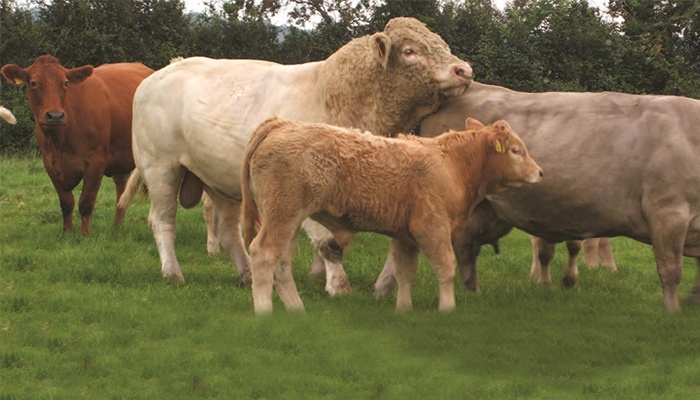
Good bull management, combined with clear breeding targets and a defined breeding season, is essential for maintaining a productive and profitable suckler herd, Future Beef Programme Advisor, James Mullane tells us more.
The profitability of a spring-calving suckler enterprise is heavily dependent on reproductive performance. Producing a live calf from every cow each year remains the cornerstone of an efficient system. Achieving this requires clear breeding targets, close monitoring of stock bull performance throughout the breeding season and a strict breeding end date.
Key breeding targets
High-performing suckler herds consistently achieve a number of important reproductive targets:
- A 365-day calving interval.
- 80% of cows calved within the first six weeks of the calving season.
- At least 0.95 calves weaned per cow put to the bull.
- Replacement heifers calving at 24 months of age.
- An empty rate below 5% at pregnancy scanning.
Meeting these targets results in a more compact calving season and a more uniform batch of calves. Cows calving early in the season produce older, heavier calves at weaning and make better use of grazed grass, while labour requirements are also easier to manage.
Calving heifers at 24 months
Calving heifers at two years of age reduces the non-productive period within the herd and improves lifetime efficiency. To achieve this, replacement heifers must meet weight-for-age targets throughout rearing and typically require average daily gains of 0.75–0.80 kg from birth to turnout.
Selecting replacements with strong maternal genetics, such as animals ranking highly on the ICBF Replacement Index, helps improve future herd performance.
Monitoring bulls during the breeding season
While considerable attention is often given to cow nutrition and body condition, the stock bull contributes 50% of the herd’s genetics and is responsible for the majority of pregnancies on suckler farms. Research has shown that 20–25% of working bulls can be sub-fertile at any given time.
Sub-fertile bulls may still get cows in calf, but often require multiple heat cycles to do so. This can significantly reduce the six-week calving rate, extend calving intervals and increase the number of empty cows.
Importantly, a bull that was fertile last season may not be fertile this year. Lameness, illness, injury or elevated body temperature can all negatively affect fertility. For this reason, monitoring bull performance throughout the breeding season is essential.
Match bull numbers to workload – avoid overworking bulls, particularly younger animals.
- Young bulls (15–18 months): 15–20 cows.
- Mature bulls: 25–30 cows.
Excessive workloads can lead to fatigue, injury and reduced fertility.
Observe bulls regularly
The first few weeks after turnout are particularly important. Spend time observing the bull to ensure that cows are being served successfully. Mounting activity alone does not guarantee successful mating.
Watch for signs of stiffness, lameness or difficulty serving cows, as these issues can quickly reduce breeding performance.
Use heat detection aids
Heat detection tools provide valuable information on breeding activity and help identify problems early.
Chin-ball harnesses are particularly useful in outdoor suckler systems, while tail paint or scratch cards on cows can also be effective indicators that service has occurred.
Record services and monitor repeats
Recording services through ICBF HerdPlus allows farmers to monitor breeding performance and identify cows returning to heat.
Figure 1 shows how services can be recorded through the HerdPlus app, while Figure 2 demonstrates how repeat heats can be identified.
If more than 25–30% of served cows return to heat between 18 and 24 days later, this should be treated as a warning sign. High repeat rates may indicate bull fertility issues and action should be taken immediately, either by introducing another bull or using AI.
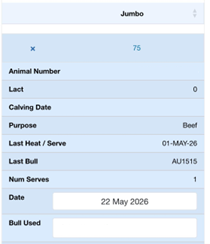
Figure 1. Recording serves on the ICBF HerdPlus app.
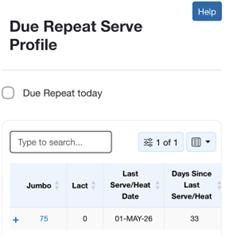
Figure 2. Identifying repeat heats using HerdPlus records.
Knowing when to remove the bull
The end of the breeding season is just as important as the start. To maintain a compact calving pattern and a 365-day calving interval, the breeding season should be limited to approximately 10–12 weeks.
For example, where breeding begins on 1 May, the bull should be removed by mid-July.
Leaving the bull with cows for longer creates a prolonged calving season and reduces overall herd efficiency.
Three key benefits of removing the bull on time are:
- Eliminating late-calving cows – late-born calves are lighter at weaning and their dams have less time to recover before the next breeding season.
- Improving labour efficiency and calf health – a compact calving season concentrates labour and reduces disease pressure among calves.
- Protecting replacement heifer performance – early-born heifers are more likely to reach target weights for breeding and calving at 24 months.
Post-breeding management
Once the bull is removed, move him to a secure paddock and assess his condition for any injuries or lameness sustained during the breeding season.
Pregnancy scanning should be carried out six to eight weeks after bull removal. This provides an accurate assessment of herd fertility, identifies empty cows early and allows culling decisions to be made when market conditions are favourable.
Good bull management, combined with clear breeding targets and a defined breeding season, is essential for maintaining a productive and profitable suckler herd.
For more insights from the Future Beef Programme, visit here.
BEEF2026
The Teagasc BEEF2026 Open Day will take place on Wednesday, July 1 at the Teagasc, Animal & Grassland Research and Innovation Centre, Grange, County Meath. This year’s open day will focus on the theme of ‘Driving Sustainable Performance’.
BEEF2026 will showcase systems and technological advances that can be utilised by cattle farmers from across the country to increase production and drive income in a sustainable way. This event takes places every second year and is a worthwhile free event to attend for all types of beef farmers across the country to attend.
Watch the short video below to find out more about what to expect on the day: