
Articles
Meet Signpost Dairy Farmer Steven Fitzgerald
0 Meet Signpost Dairy Farmer Steven Fitzgerald Steven Fitzgerald is a dairy farmer milking 170 cows in Co. Waterford. He has a beef enterprise also. The plan is to milk 200 cows and decrease the beef enterprise over time. As part of the Signpost programme Steven strives for more efficiency on farm through […]
9 August 2022
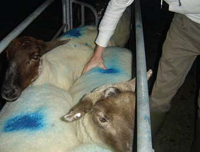
Time to get a handle on condition
0 Time to get a handle on condition Condition score is very much a hands on assessment of ‘fatness’ or more appropriately the level of body reserves in the form of muscle and adipose tissue deposited on an animal. Ciaran Lynch, Teagasc Sheep Specialist discusses using this tool to improve flock productivity, health […]
9 August 2022
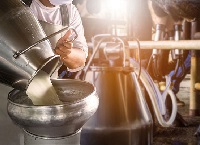
On the scent: the aroma of raw milk
0 On the scent: the aroma of raw milk Pioneering research undertaken by Teagasc, in association with University College Cork, has shown how cows’ diets affect the aroma of raw milk. Ireland’s predominantly pasture-based feeding system for milk production is relatively unique when compared to most other countries (which use a predominantly concentrate-based […]
8 August 2022
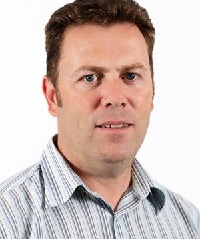
New Teagasc Organic Cropping and Integrated Systems Specialist
0 New Teagasc Organic Cropping and Integrated Systems Specialist Teagasc have appointed Martin Bourke as a new Organic Cropping and Integrated Systems Specialist. He joins Elaine Leavy and Joe Kellegher as Teagasc national organic specialists who support organic farmers and advisers. Teagasc are also in the process of appointing 6 regional organic advisors […]
8 August 2022
Meet the Poultry farmer – Belview Eggs
0 Meet the Poultry farmer – Belview Eggs Dermot Herlihy began egg production in 1978 with 5,000 hens expanding to 3 Enriched Colony Systems by 2010. In 2020, Belview established their free-range unit at Carrickbaggot, Co. Louth. Find out the Signpost farm measures undertaken in Energy Efficiency, Carbon Footprint and Manure Management Belview […]
8 August 2022

Wind Energy
0 Wind Energy Domestically, the Irish Government is now focused on securing 70% of all electricity from renewables by 2030. In 2019, wind energy provided 32.5% of our electricity. Barry Caslin, Teagasc, Rural Economy and Development Programme has more Wind Energy information here in this factsheet Wind Energy (PDF) Introduction Domestically, the Irish Government […]
7 August 2022
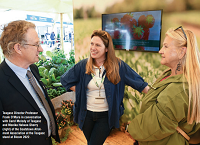
Agricultural diversification – Have you considered horticulture?
0 Agricultural diversification – Have you considered horticulture? This article by Carol Melody Lecturer of Biodiversity, Ecology and Plant Science, Teagasc College of Amenity Horticulture will convince you to consider horticulture, if you haven’t before, as a diversification option for your farm. There is ample information too about Teagasc horticulture courses ‘The only […]
7 August 2022
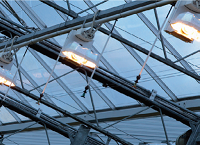
Energy-Saving Usage in Lighting
0 Energy-Saving Usage in Lighting Good lighting is a fundamental requirement for the efficient operation of a farm. It is also an important element of farm safety during the winter months. As lighting is also costly to provide and run, now is the time to consider efficient lighting on the farm in advance […]
6 August 2022
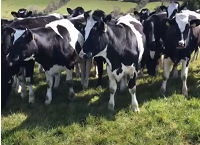
What do Irish consumers think about farming and animal welfare?
0 What do Irish consumers think about farming and animal welfare? Analysis: consumers have generally positive views of animal welfare on Irish farms, but there is a growing knowledge gap about farming practices. This article, by Áine Regan and John Hyland, Teagasc was first publsihed recently on RTÉ Brainstorm. You can read it […]
6 August 2022
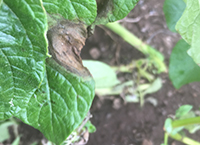
Potato blight disease research
0 Potato blight disease research Potato late blight, continues to be the most economically destructive disease of global potato crops. The primary potato disease remains Phytophthora infestans (late blight), responsible for €1,000,000,000 of annual losses in the EU alone. Read about the focus of Teagasc Late Blight Research here Given Irish climatic conditions […]
6 August 2022