
Planning for weaning
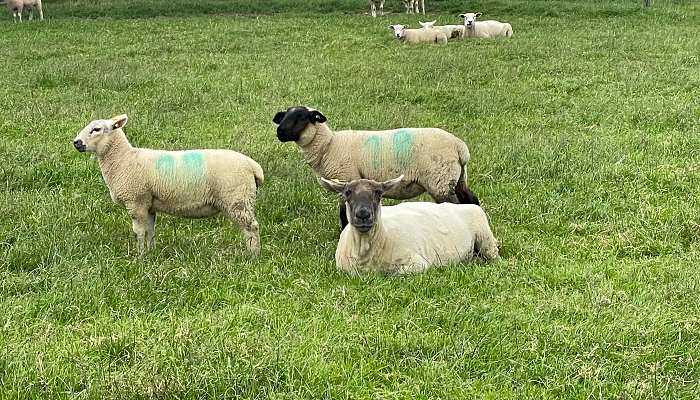
As we move into June, Teagasc Sheep Specialist, Ciaran Lynch writes it is time for mid-season lambing flocks to start planning for weaning, sharing advice on timing, preparation and the impact on ewe performance.
In most grass-based systems, lambs should be weaned at approximately 14 weeks or 100 days of age. While this target suits the majority of flocks, there are circumstances where earlier weaning from 10 weeks onwards can be a beneficial for the flock.
Timing
In twin-rearing ewes, milk yield peaks at around five weeks after lambing and declines steadily afterwards. From 7–8 weeks onward, lambs begin consuming increasing amounts of grass, reducing their reliance on ewe milk. By 10–12 weeks of age, lambs may consume up to 1 kg DM of grass per day and start competing directly with ewes for feed.
At this point in the ewe lactation, the relationship is not necessarily mutually beneficial – particularly where grass supply is limiting and quality has declined. Delaying weaning beyond 14 weeks can negatively affect ewe condition, lamb performance and grassland management. A timetable of weaning dates is shown in Table 1.
Table 1: Timetable for weaning (lambing to weaning)
| Lambing start date | Mean lambing date | Date of weaning / 14 weeks |
| February 28 | March 10 | June 16 |
| March 10 | March 20 | June 26 |
| March 26 | April 5 | July 12 |
Impact on ewe performance
Don’t underestimate the impact of the dry period on flock performance for the next season. The example presented in Figure 1 illustrates the timeline and key management dates for a flock that started lambing in early March.
A point often overlooked is the interval from weaning to mating each year. If we use this example and assume a two-week drying off period post weaning, it only leaves 14 weeks from then until ram turnout. This may seem like a long time, but when we consider it can take up to 10 weeks to regain one unit of body condition this window becomes shorter.
Weaning on time allows ewes to be dried off in a timely manner, potentially avoiding some issues with mastitis. Culls can be identified early and either drafted or fed on for sale.
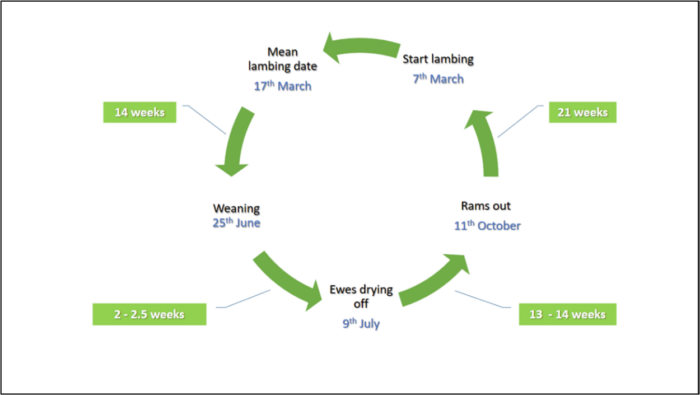
Figure 1: Production cycle for an early March lambing flock
Impact on lamb performance
When weaned on time, lambs can be prioritised and given access to the best available grass and not forced to graze out fields, thus overcoming some grass quality issues at this stage of the season. Lambs can be batched according to gender and weight, and providing targeted supplementation becomes easier where needed. In addition, it also reduces group size, leaving handling and routine management tasks easier.
Impact on grassland management
Weaning will firstly reduce feed demand as ewe intake can be restricted during the dry period, reducing the pressure on the system. It also enables a leader-follower system to be implemented, allowing for tighter graze outs by following lambs with dry ewes.
Early weaning
Earlier weaning, from 10 weeks onward, can be successfully implemented where lamb nutrition and health are carefully managed. Situations where earlier weaning may be beneficial include:
- Yearling ewes – weaning at 10–12 weeks provides a longer dry period for young ewes that are still growing and developing. Their milk contribution is generally lower than mature ewes, so lambs adapt more easily to forage or supplementation.
- Reducing feed demand – on drought-prone or highly-stocked farms, earlier weaning can reduce grazing pressure during early to mid-summer, allowing grass to be prioritised to lambs.
- Poor ewe condition – in flocks that consistently struggle with ewe body condition, earlier weaning provides a longer recovery period before breeding and can help break the cycle of poor performance.
Preparation before weaning
To avoid potential setbacks, have any necessary health treatments in place prior to weaning. These include treatments for internal parasites and lameness, as well as any farm specific vaccinations for clostridial and pasteurella as required.
Grazing rotations need to be planned in order to allow lambs have access to high-quality grass in well-fenced paddocks immediately after weaning. Ideally some distance between both groups can help with the weaning process. Target the best available pasture, with aftergrass or reseeded paddocks preferable where possible.
On established swards, post-weaning grazing residuals should be increased to 5.5–6cm for lamb performance, while dry ewes or other stock classes can be used to achieve tighter clean-outs where required. Once lambs are settled, then they can be split into the various management groups as required.
Ewes should be confined to a secure bare paddock(s) for 7–10 days to aid drying off and reduce the risk of mastitis, but the process should not be overdone. The dry period should be used to improve ewe condition ahead of mating rather than allowing excessive weight loss. This is important as it can take up to 10 weeks to regain one body condition score.
For more tips and advice from the Teagasc Sheep Specialist team, read the June Sheep Advisory newsletter here.
Listen to the latest tips and advice through the Teagasc OviCast podcast here.